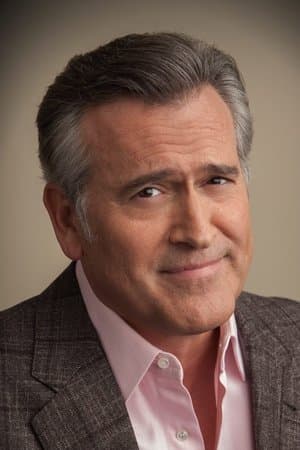
Bruce Campbell has spent decades as one of genre cinema's most beloved wisecracking heroes, but the man behind the chin that launched a thousand memes says his early brush with the studio system left a bitterness that never quite washed out. In a candid recollection of his career, Campbell opened up about the moment he was booted from a leading role - and how the experience soured him on the very industry that would later crown him a cult icon.
The Evil Dead star didn't mince words about the sting of getting the hook from a part he'd been tapped to headline, describing the episode as a rude awakening to how little loyalty flows through Hollywood's executive suites. According to Campbell, being pushed out of a lead role wasn't just a professional setback - it was a lesson in how quickly studios can pull the rug out from under a rising performer.
"They kicked me out," Campbell has said of the experience, recounting how he went from being the guy to the guy who got replaced. The taste, in his words, was "very sour."
A B-Movie King Built on Studio Scars
For anyone who's followed Campbell's winding road, the resentment makes sense. Long before he was trading barbs with demons in a cabin, he was a scrappy young actor trying to navigate a system that viewed him as expendable. Getting dropped from a lead role early on tends to leave a mark - and Campbell has never been shy about admitting it did.
What's striking is how that early rejection shaped the trajectory that followed. Rather than chasing the approval of the same executives who'd shown him the door, Campbell leaned into the fringes - collaborating with Sam Raimi on gonzo, low-budget productions that studios wouldn't touch, and building a fanbase that cared more about charisma than casting-couch politics. It's a classic Hollywood irony: the industry that tossed him aside wound up watching him become one of the most quotable, recognizable faces in cult cinema.
Campbell's willingness to air old grievances also fits a broader pattern. He's spent years positioning himself as an outsider looking in, someone who never quite bought the company line - and that independence has become part of his appeal. When he talks about sour tastes, fans don't hear a grudge; they hear a guy who refused to play nice and still won.
Why the Grudge Still Matters
There's a larger point buried in Campbell's recollection, and it's one that resonates well beyond his own filmography. Hollywood's habit of cycling through talent - elevating unknowns, then discarding them the moment a bigger name or a safer bet emerges - is a story as old as the studio system itself. Campbell just happens to be one of the few who lived through it and lived to tell the tale with a smirk.
His story also serves as a reminder that getting kicked out of a lead role isn't always a career death sentence. Sometimes it's a detour. For Campbell, the rejection pushed him toward the kind of projects where he could call the shots, where his personality was the special effect, and where no executive could decide he was replaceable. That's not just survival - it's a kind of revenge, delivered with a chainsaw hand and a one-liner.
Whether he's still holding a grudge or simply telling it like it is, Campbell's honesty about the business keeps him relatable in a way polished press tours never could. He's the guy who got shown the door and then kicked it open again from the other side. And for a generation of fans, that's exactly the kind of underdog story worth cheering for - sour taste and all.
Source: Fox News