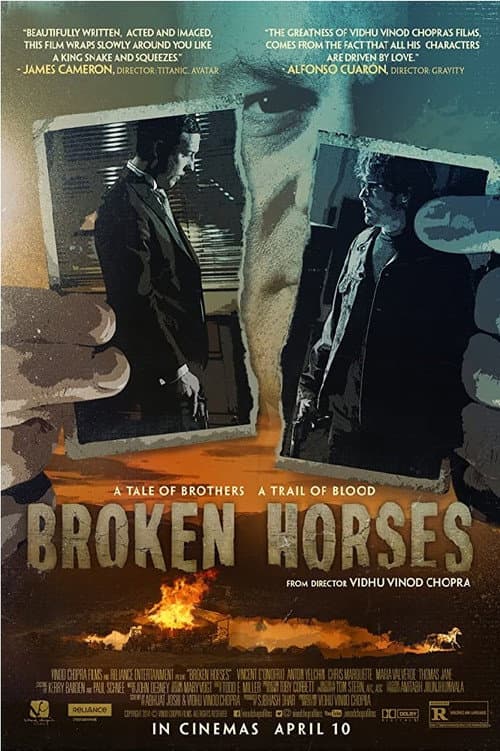
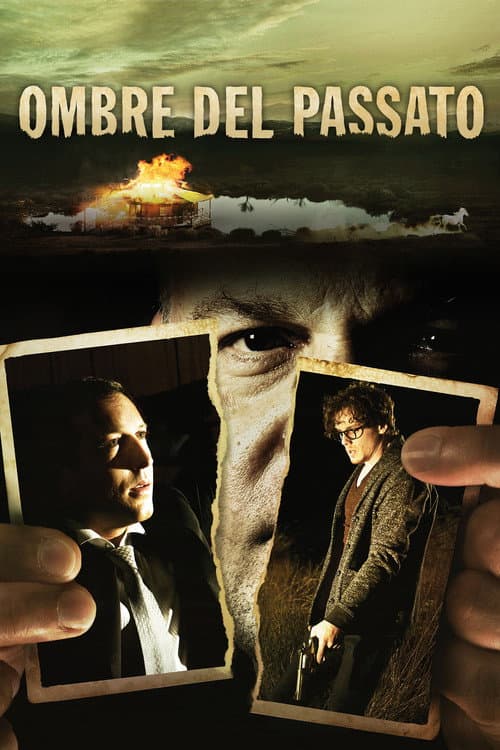
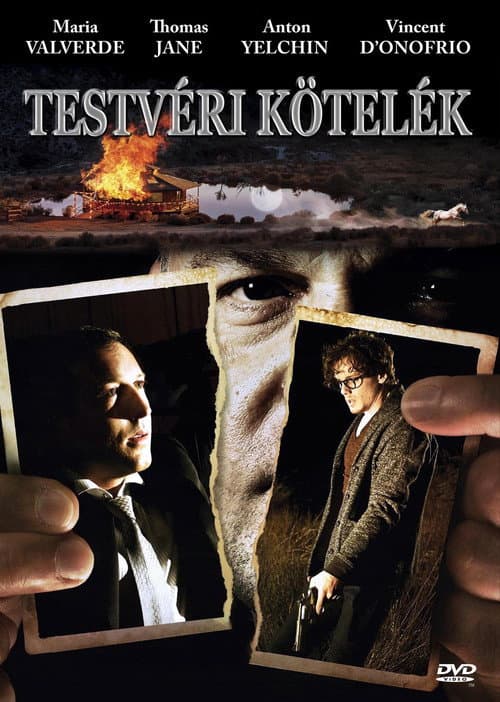
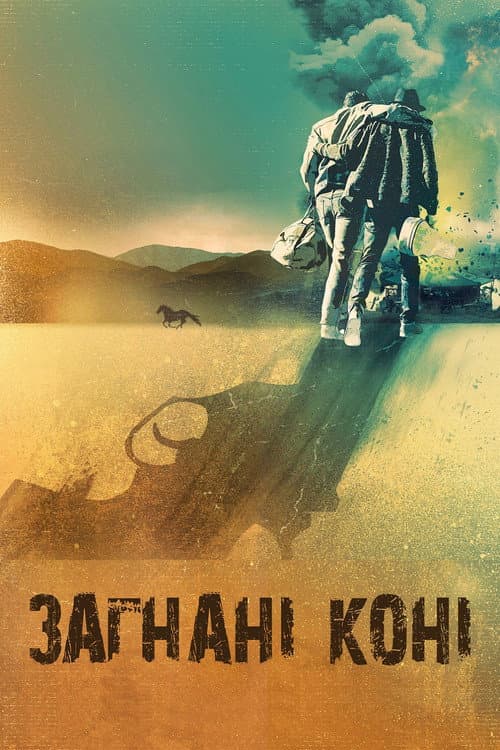
Most Hollywood remakes of Indian films arrive with a fleet of private jets, a wind machine, and at least one slow-motion shot of hair flipping in the breeze. Vidhu Vinod Chopra took the opposite route. When he remade his own 1989 crime saga Parinda for American audiences, he didn't hand the keys to a studio gunslinger - he drove the thing himself, straight into the dusty, sun-bleached badlands of the US-Mexico border.
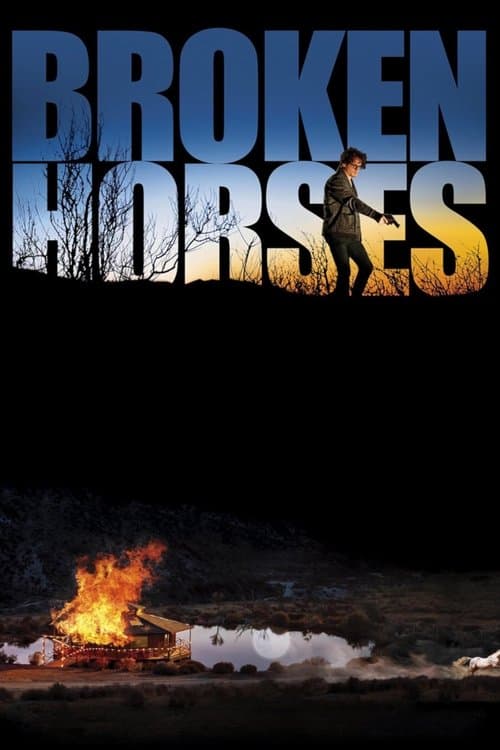
The result was Broken Horses, a thriller that landed in theaters on March 15, 2015 and has spent the decade since lurking in that strange limbo reserved for movies that are too grim for the multiplex and too polished for the grindhouse. With a runtime of 101 minutes and a TMDb rating of 5.8 out of 10, it's the kind of film that doesn't ask to be loved. It asks to be survived.
From Mumbai Streets to Border Country
If you know Parinda - and if you grew up on Bollywood, you almost certainly do - you know the blueprint. Two brothers, torn apart by circumstance, pulled toward opposite ends of a violent world. Jackie Shroff and Anil Kapoor anchored the original as siblings whose loyalty to each other kept colliding with the brutality around them, with Nana Patekar delivering one of the most unhinged and memorable antagonist performances of his career.
Chopra didn't just port that story across the ocean. He transplanted its roots into soil that could actually sustain it. In Broken Horses, the brotherhood drama plays out in the shadows of border gang wars, where the rules of loyalty are written in blood and the futility of violence hangs over every frame like heat haze. It's a story that was never really about Mumbai or Los Angeles. It's about family as a trap you can't climb out of, and Chopra understood that the borderlands could carry that weight just as convincingly as the streets of Bombay.
A Cast Built for Quiet Menace
The ensemble Chopra assembled reads like a casting director's wish list for "people who look like they've seen things."
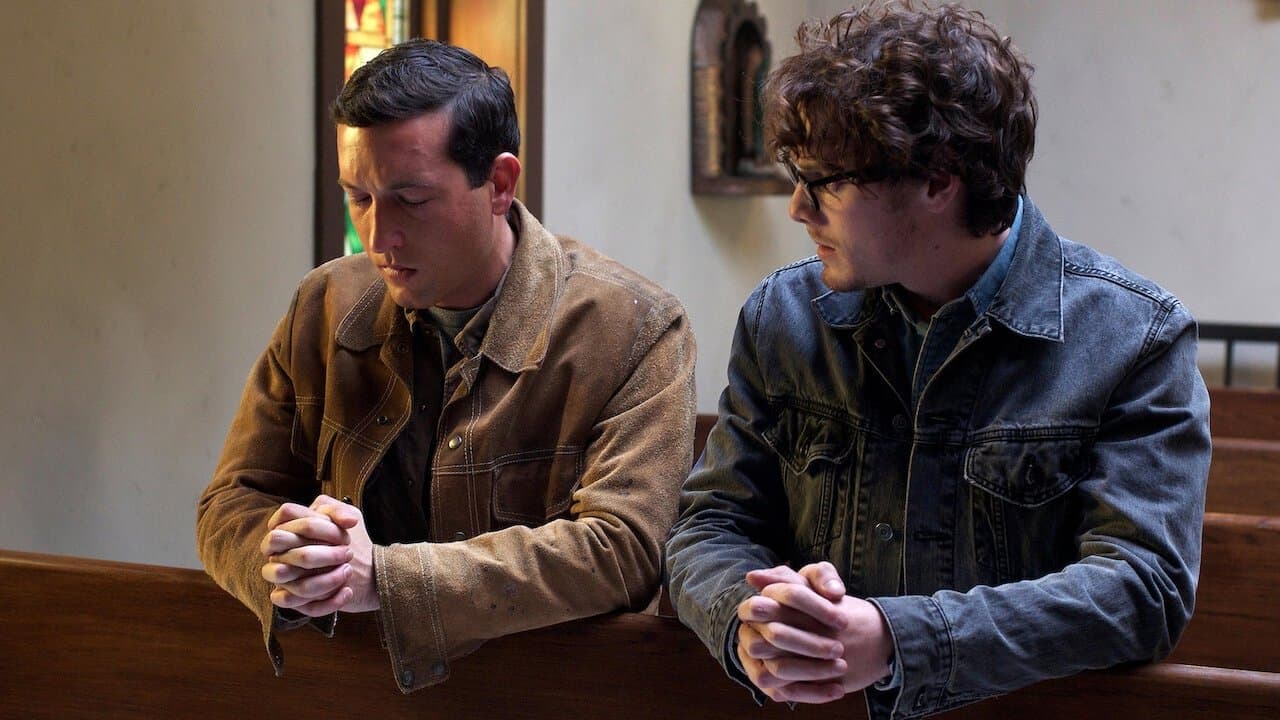
Anton Yelchin leads as Jacob Heckum, bringing that particular fragile intensity he was so good at - the quality of someone trying to stay good in a world that's already decided otherwise. Opposite him, Vincent D'Onofrio chews through the role of Julius Hench with the kind of coiled, unpredictable energy that made him a natural heir to the original film's menace. Thomas Jane fills out the cast as Gabriel Heckum, while María Valverde brings Vittoria into the mix, alongside Sean Patrick Flanery, Christopher Rodriguez Marquette, Wes Chatham, and Sadie Alexandru.
It's a lineup that signals exactly what kind of movie you're walking into: no comic relief, no wisecracking sidekicks, no one cracking jokes in the middle of a standoff.
The Odd Afterlife of an Ambitious Remake
Here's the thing about Broken Horses - it arrived with genuine pedigree and still struggled to find its audience. A director remaking his own beloved film is a rare move, and Chopra's decision to write and direct the English-language version himself was an act of authorship, not a cash grab. He wasn't licensing a title to a stranger. He was re-arguing his own case in a new courtroom.
But cross-cultural remakes are treacherous terrain. The original Parinda landed in 1989 with the force of a thunderclap because it synthesized Hindi cinema's emotional operatics with a cold, Western-inflected crime aesthetic. By 2015, that hybrid style had become commonplace everywhere. Broken Horses found itself releasing into a landscape where its DNA had already been absorbed, remixed, and distributed across a dozen prestige TV dramas.
The genres it straddles - thriller, mystery, drama, crime - are four different promises, and the film's mixed reception suggests audiences weren't always sure which one was being kept.
Why It Still Matters
Strip away the ratings and the box office noise, and Broken Horses stands as a genuinely unusual artifact: a Hollywood English-language feature written and directed by one of India's most accomplished filmmakers, adapting his own landmark work on foreign soil.
That alone makes it worth a rewatch in 2026. Not because it's flawless - it isn't - but because it documents a moment when the traffic between Bollywood and Hollywood was moving in both directions, with an auteur steering the wheel rather than a committee. Whether the experiment fully worked is debatable. That it happened at all is the more interesting story, and it's one that Parinda fans - and anyone curious about how violence, loyalty, and brotherhood translate across borders - should probably see for themselves.
Source: Filmfare