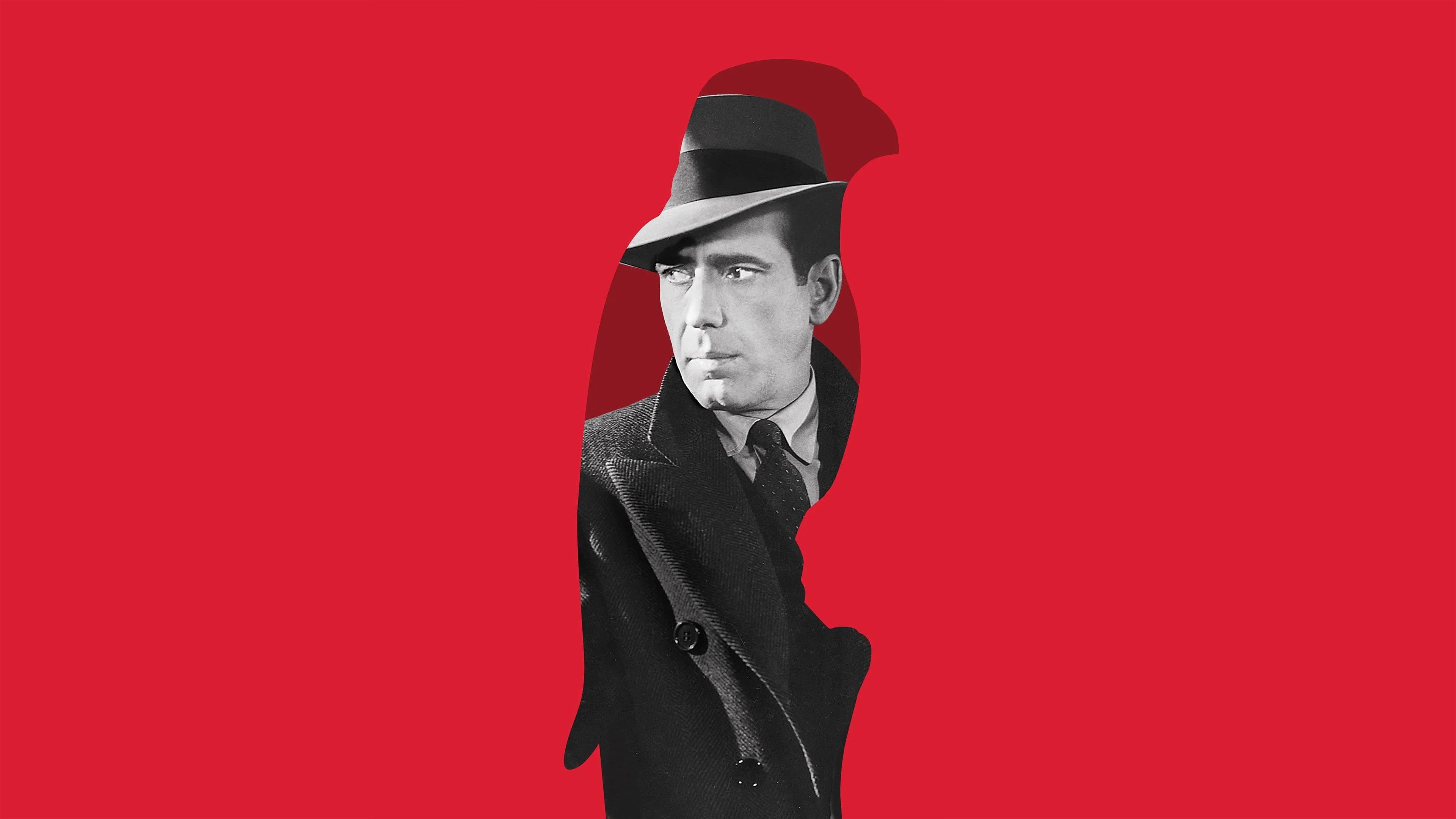
When it comes to old Hollywood mysteries, few names loom as large as Humphrey Bogart. But here’s the twist that might catch even die-hard classic film buffs off guard: one of his most celebrated whodunits wasn’t even the first attempt at bringing the story to the screen. In fact, it took Hollywood three whole tries to get it right - and the final cut, released in 1941, has since been crowned among the greatest mystery movies of all time. That’s the kind of behind-the-scenes saga that makes you want to pour a stiff drink, dim the lights, and queue up the film immediately.
The movie in question is The Maltese Falcon, John Huston’s directorial debut and the definitive adaptation of Dashiell Hammett’s hard-boiled 1930 novel. Bogart steps into the trench coat of Sam Spade, a private eye with a moral compass that swings just south of ethical, chasing a jewel-encrusted statuette that everyone seems willing to kill for. It’s the film that practically invented the noir template: shadow-drenched alleys, double-crossing dames, and dialogue so snappy it could cut glass. But what many viewers don’t realize is that Warner Bros. had already taken two swings at the same material - and both had whiffed.
The first attempt came in 1931, just a year after the novel hit shelves. That version, directed by Roy Del Ruth, starred Ricardo Cortez as a leaner, slicker Sam Spade who felt more like a ladies’ man than a weary cynic. It wasn’t a flop, but it wasn’t a triumph either - more of a competent programmer that vanished into the studio’s crowded release slate. Then, in 1936, Warner Bros. tried again with Satan Met a Lady, a loose and frankly bizarre rework that swapped the falcon for a ram’s horn and cast Bette Davis as a femme fatale who couldn’t quite decide if she was the villain or the victim. That one leaned so far into comedy that the mystery itself got buried under the antics. Suffice it to say, audiences weren’t exactly clamoring for a third go-round.
Enter John Huston, a screenwriter with a chip on his shoulder and a screenplay that he basically lifted verbatim from Hammett’s prose. Huston understood something his predecessors didn’t: the story didn’t need to be softened, modernized, or gussied up. It needed to be trusted. So he cast Bogart as Spade, and Bogart - then still more of a reliable supporting player than a leading man - brought a weary, street-smart edge that made the character feel less like a detective and more like a survivor. He’s not solving the case because he believes in justice; he’s solving it because someone killed his partner, and that’s personal.
The supporting cast is where the movie truly earns its place in the pantheon. Mary Astor plays Brigid O’Shaughnessy, the quintessential femme fatale who lies as easily as she breathes. Sydney Greenstreet, making his film debut at age 61, delivers the unforgettable Kasper Gutman - aka “The Fat Man” - with a theatrical charm that’s both hilarious and menacing. And then there’s Peter Lorre as Joel Cairo, a slithering, perfume-scented weasel who threatens to steal every scene he’s in. Together, they create a rogues’ gallery that feels less like a cast and more like a circus of moral decay.
Critics have spent decades unpacking why this third attempt finally clicked. Some point to Huston’s razor-sharp pacing, others to the chemistry among the cast, and plenty more to the fact that the Production Code was in full swing, forcing writers to wrap things up with a tidy moral bow - though the ending here feels anything but tidy. Spade’s famous “I’m going to send you over” speech to Brigid remains one of the most chilling moments in cinema history, not because he’s righteous, but because he’s brutally honest about his own emotional coldness. He’s not a hero; he’s just the last one standing.
It’s that ambiguity that helped The Maltese Falcon age so well. While the 1931 version has become a curio for film historians and the 1936 disaster is mostly a punchline, Huston’s take has been championed by the American Film Institute, labeled culturally significant by the Library of Congress, and endlessly imitated by everything from The Big Sleep to Chinatown to a thousand neo-noirs that don’t even know they’re borrowing from it. Calling it one of the greatest mystery movies isn’t hyperbole - it’s practically a requirement for the genre’s Mount Rushmore.
So what does Hollywood’s third try teach us? Maybe that persistence pays off, or maybe that the right script, the right star, and the right director can turn a stumble into a landslide. Either way, the legacy is clear: sometimes you have to lose two falcons to finally catch one. And for Bogart, who had spent years typecast as a gangster, it was the role that finally made him a superstar. The rest, as they say, is mystery history.
Source: Yahoo