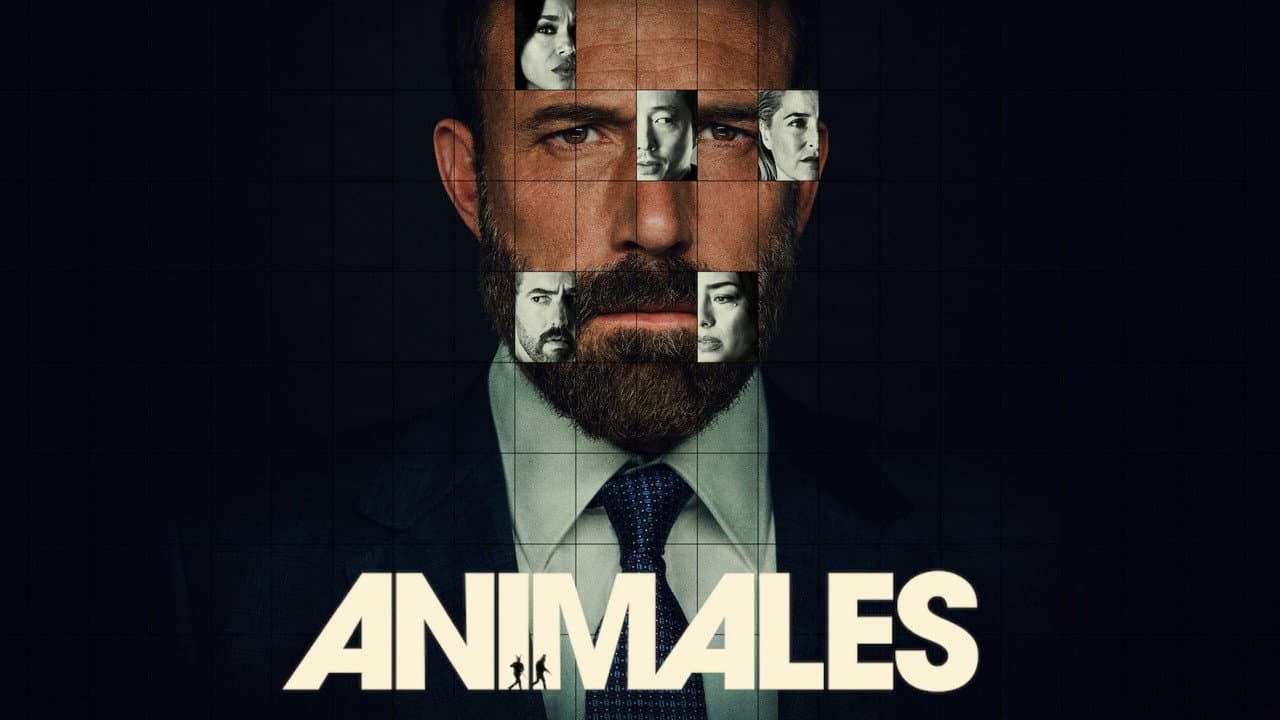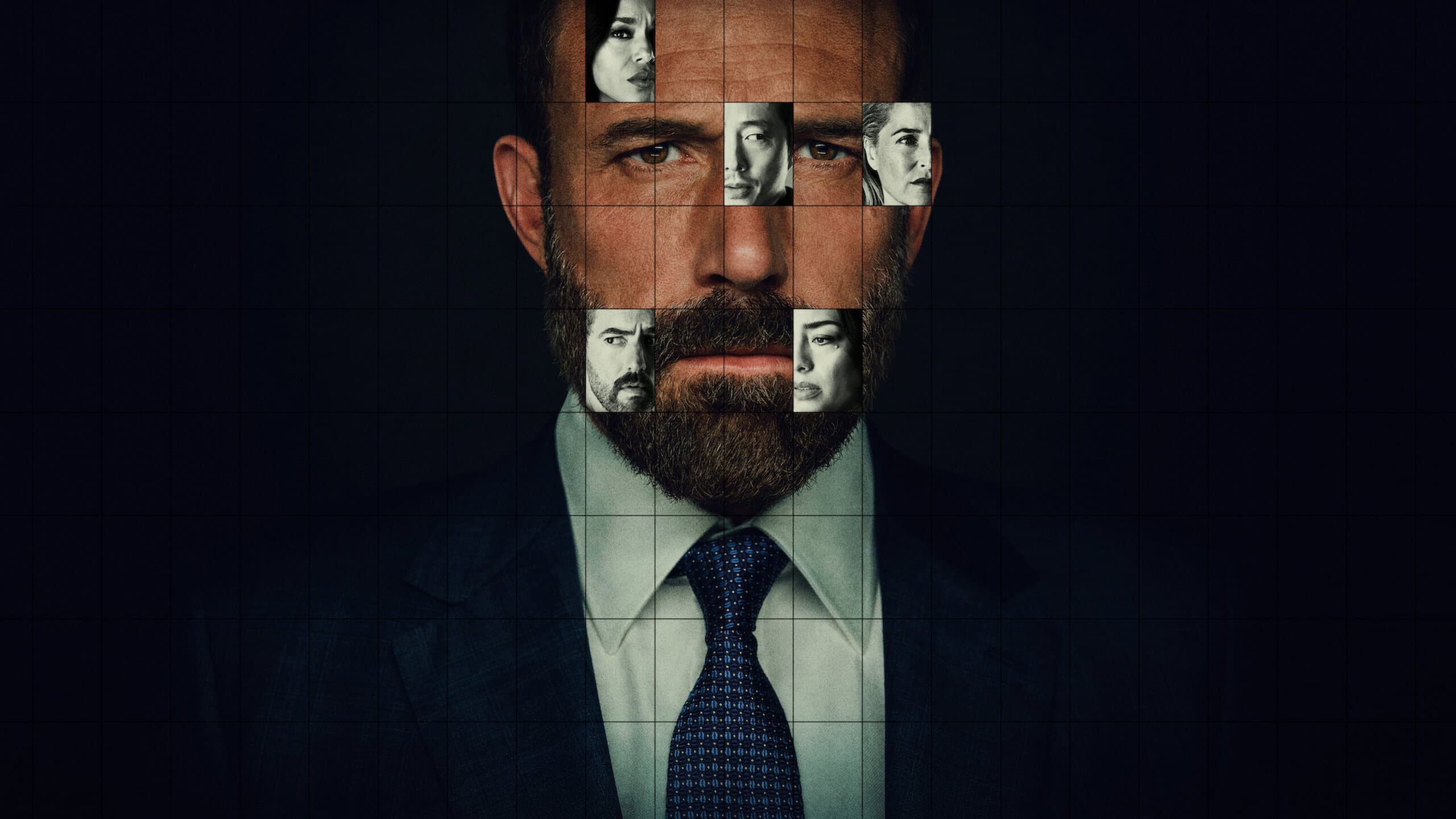
Ben Affleck's latest directorial effort, Animals, has landed in theaters with a decent enough 6.9 rating on TMDb, but the movie's real story might be the one happening behind the camera. The thriller, which dropped on October 9, 2026, is being held up as a cautionary tale about what happens when Hollywood tries to cut corners with artificial intelligence - and learns the hard way that you can't algorithm your way out of a bad script.
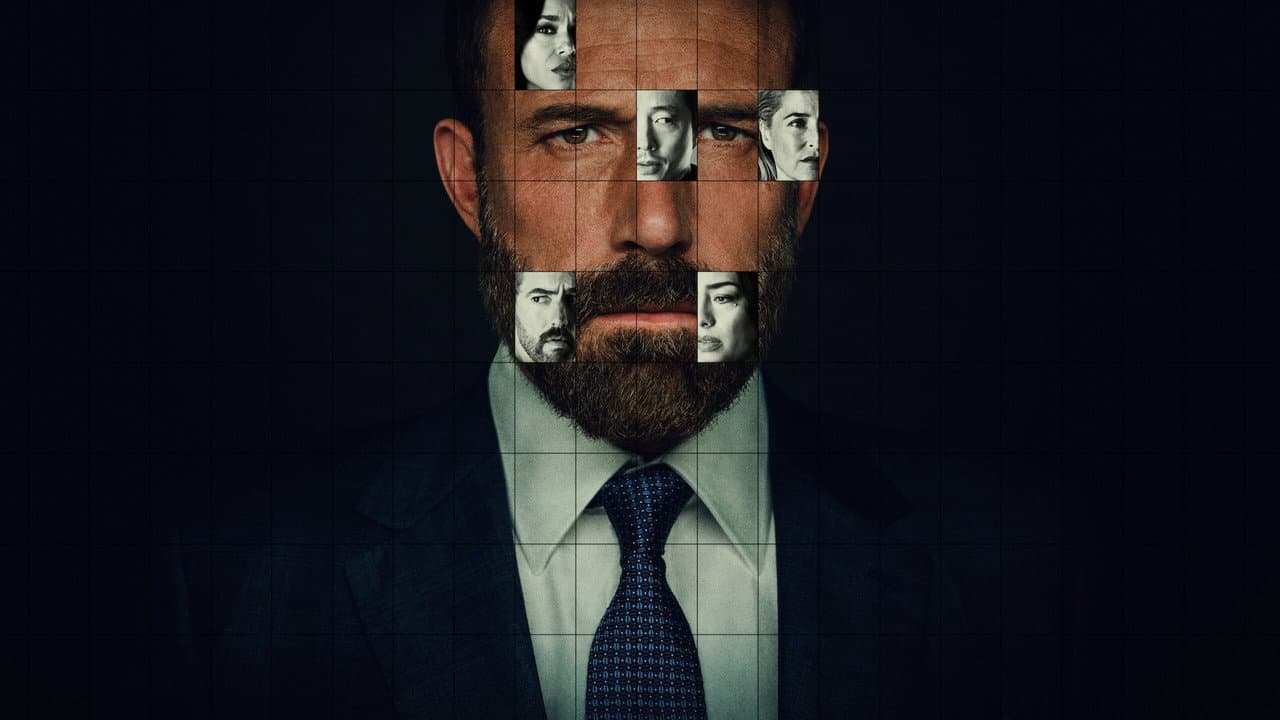
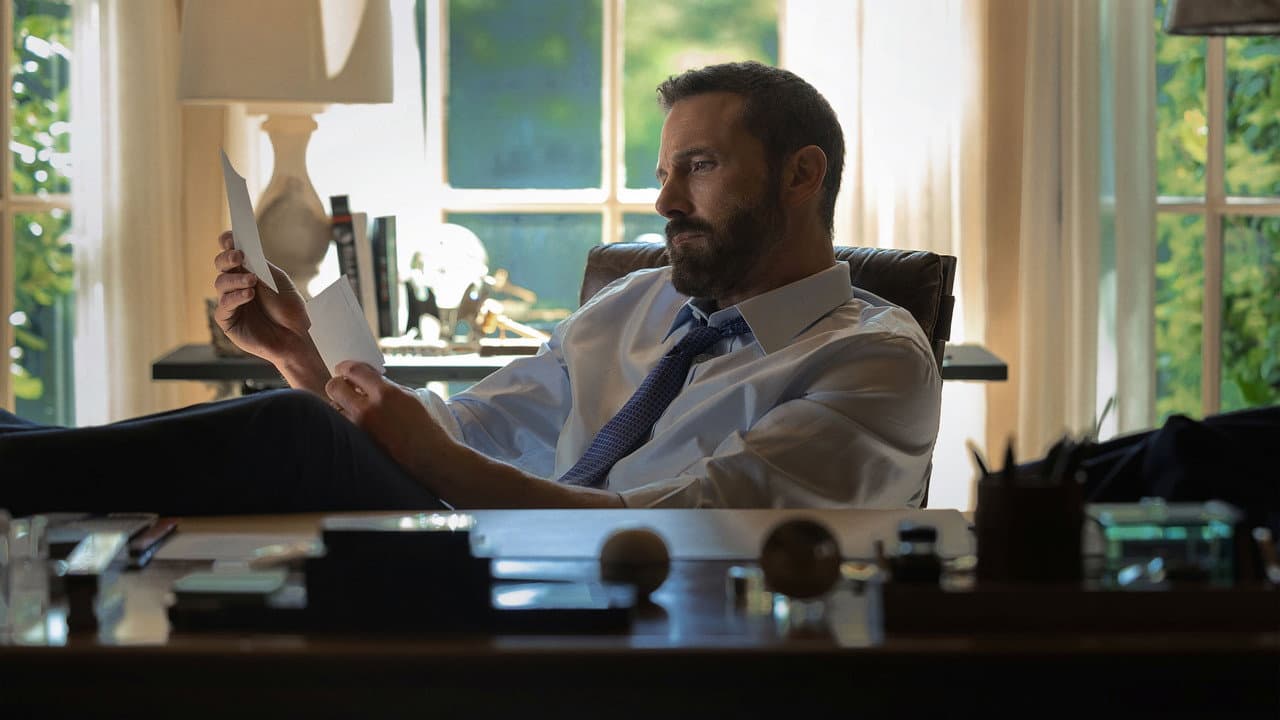
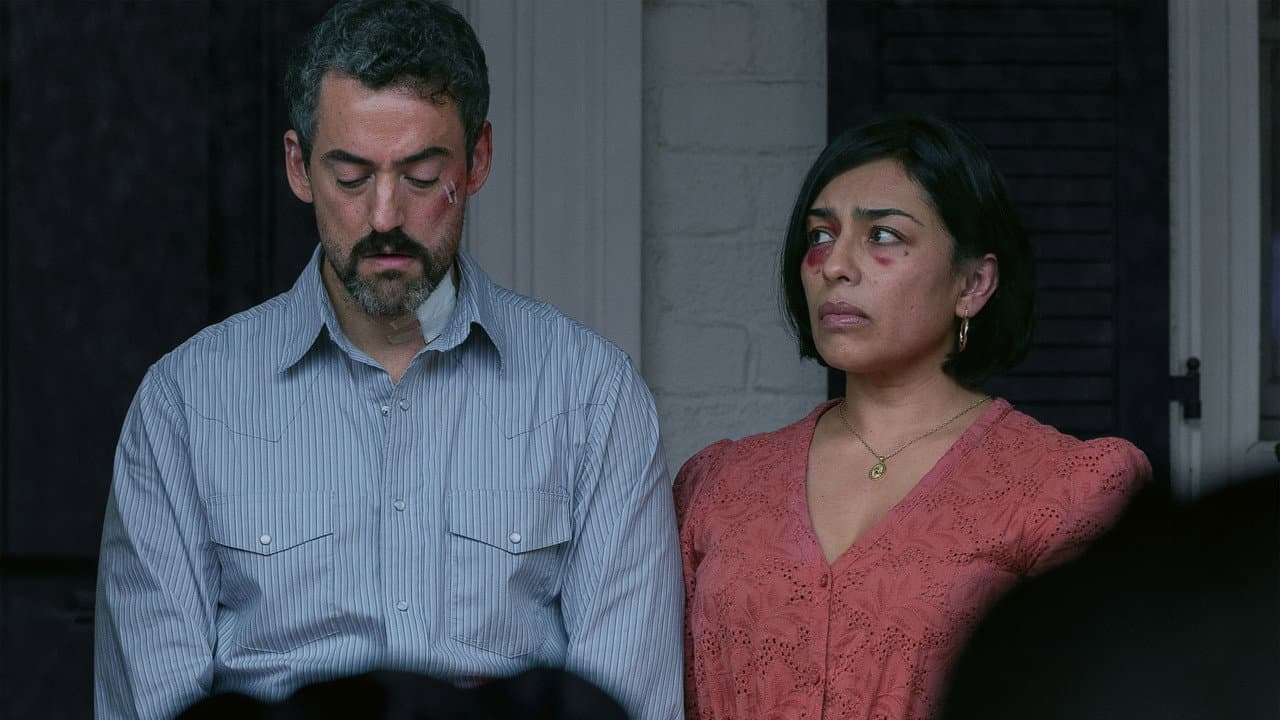
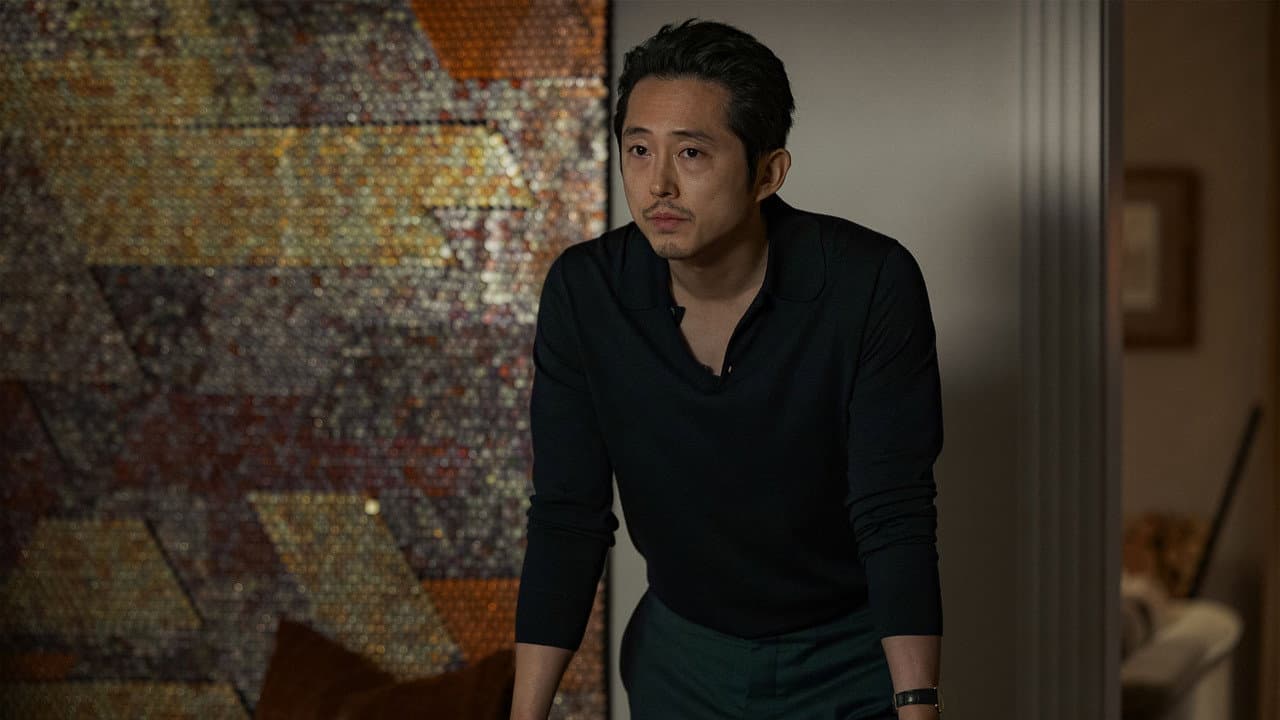
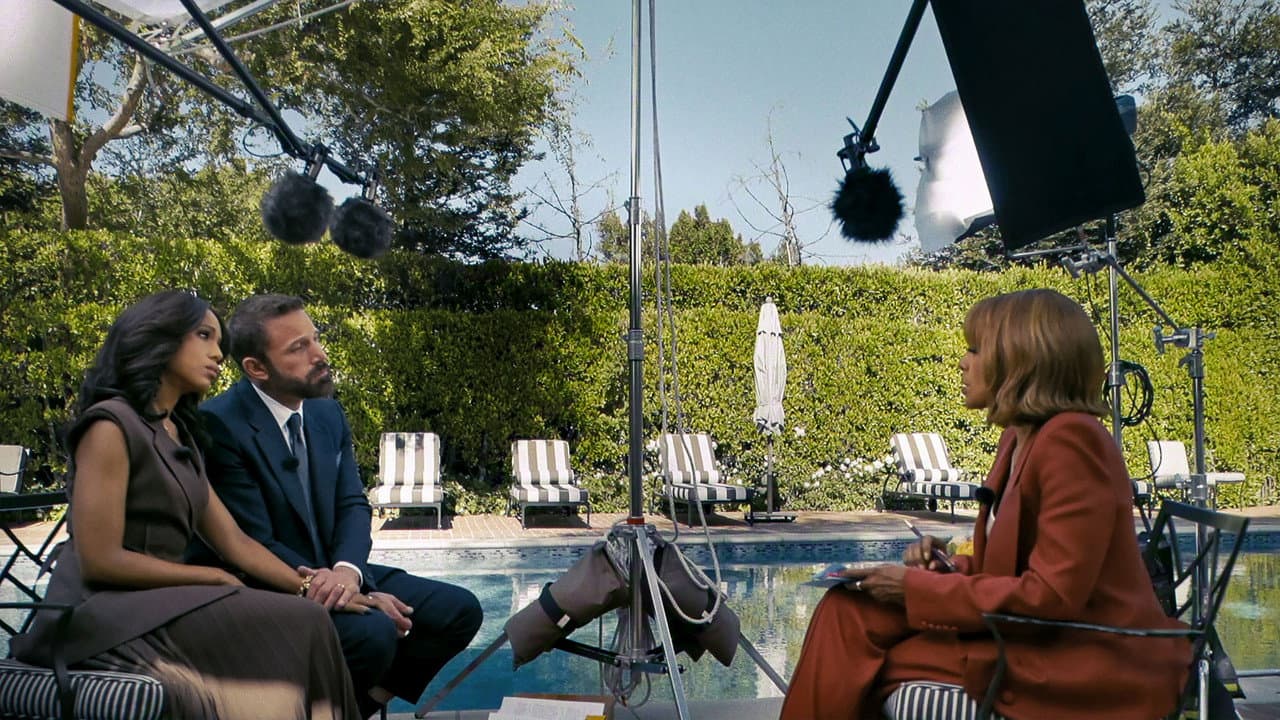
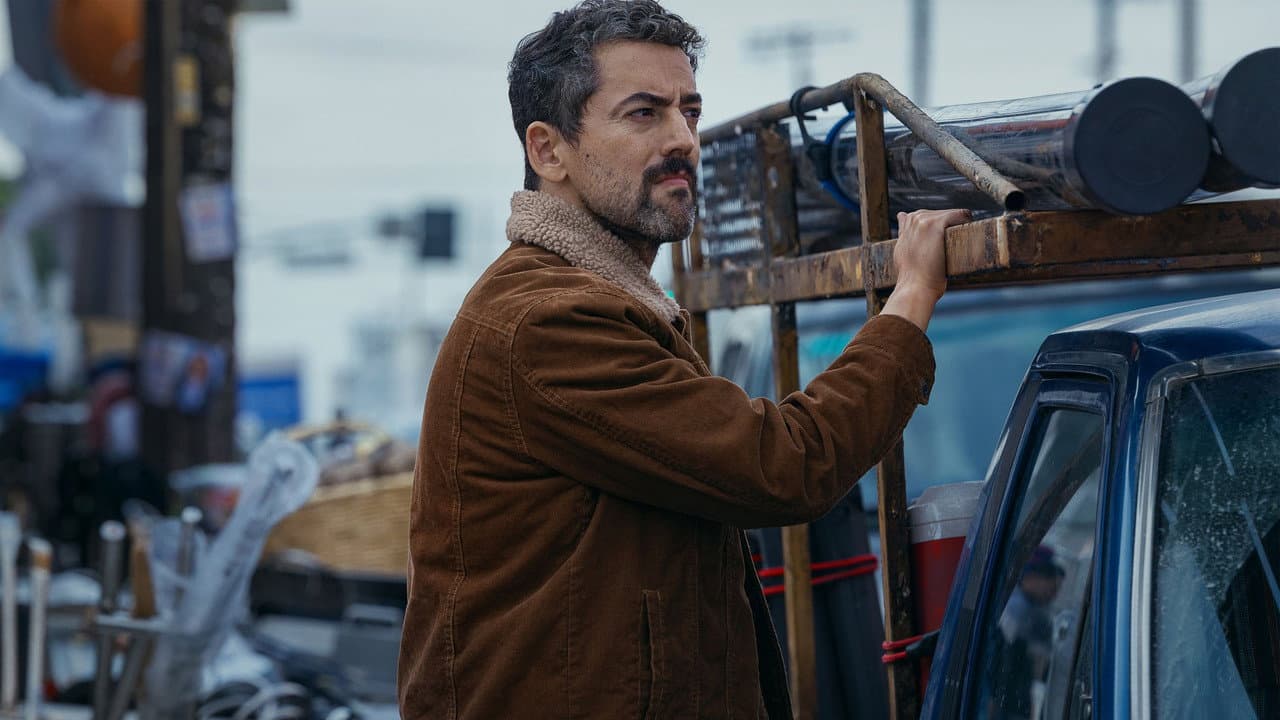
Animals follows Mark and Abigail Kimball, played by Affleck and Kerry Washington, whose son Denny (Christopher Woodley) is kidnapped just as Mark is deep in a campaign for mayor of Los Angeles. With the family coffers drained by the political run, the couple has only hours to scrape together the ransom - forcing them to get their hands dirty and dredge up secrets they'd rather keep buried. It's a premise built for white-knuckle tension, the kind of high-stakes, morally messy thriller that should be catnip for audiences. The cast alone is stacked: Gillian Anderson, Steven Yeun, Adriana Paz, Luis Gerardo Méndez, and Jacob Estrada round out a lineup that any director would kill for.
On paper, this thing had all the makings of a fall sleeper hit. In practice, the conversation around Animals has been less about its twisty plot and more about the messy, very public lessons it's teaching the industry about AI shortcuts.
The AI Factor Nobody Saw Coming
Here's the thing about chasing efficiency: sometimes you cut exactly the wrong corner. According to the buzz surrounding the production, Animals became a flashpoint for how studios are increasingly leaning on AI tools - whether for script doctoring, editing assists, or post-production crunch - to shave time and money off the schedule. The film's 106-minute runtime is lean, and the marketing leaned hard into the gritty, grounded crime-drama vibe. But insiders and online chatter have seized on the idea that the movie's rough edges are a direct result of automated tinkering, a theory that's turned Animals into an unexpected case study.
The irony isn't lost on anyone. A film about a family forced to improvise under brutal pressure - improvise badly, expose ugly truths - became a production that, by many accounts, tried to improvise its way through the filmmaking process. The parallel is almost too on-the-nose for a Hollywood satire, except this one's real.
A Solid Cast Carrying a Messy Package
To be fair, Animals isn't a disaster. Affleck and Washington are reliably compelling as a marriage stretched to its breaking point, and watching Anderson and Yeun chew scenery is its own reward. The kidnap-thriller beats land well enough, and director Affleck knows his way around tense, confined storytelling. Reviews have been mixed-to-positive, landing in that respectable-but-unmemorable zone that a 6.9 TMDb rating suggests: audiences aren't furious, but nobody's calling it a classic.
The problem is the seams. Critics and viewers have pointed to jarring edits, tonal whiplash, and character beats that feel stitched together rather than written - the kind of telltale fingerprints that fuel speculation about automated shortcuts. Whether those rumors are fair or overblown misses the bigger point: Animals has become the poster child for a fight that's only heating up across Hollywood.
What Animals Means for the Industry
The real takeaway here isn't about one movie. It's about a moment. Studios are under immense pressure to do more with less, and AI tools promise exactly that - faster turnarounds, cheaper fixes, fewer headaches. But Animals is the kind of release that reminds everyone what gets lost in that trade-off: the messy, human, unpredictable sparks that make a movie feel alive. You can optimize a schedule. You can't optimize gut instinct.
There's also a labor angle nobody can ignore. Writers, editors, and crew members have been sounding alarms for years, and a high-profile misfire like this only strengthens their case. When a movie starring and directed by a major name, backed by a real budget and a genuinely talented ensemble, still feels rough around the edges, audiences start asking uncomfortable questions - about craft, about care, and about what's being sacrificed at the altar of speed.
The Bottom Line
Animals arrives with a serviceable rating, a stacked cast, and a genuinely gripping premise - and yet it's already more famous for what it represents than what it achieves. That's a tough legacy for a film with this much talent on screen. But if it forces a long-overdue conversation about where AI belongs in the creative process - and where it absolutely doesn't - then maybe this particular beast served a purpose after all.
One thing's for sure: in Hollywood, shortcuts have a way of showing up on the final cut. And audiences? They always notice.
Source: IMDb