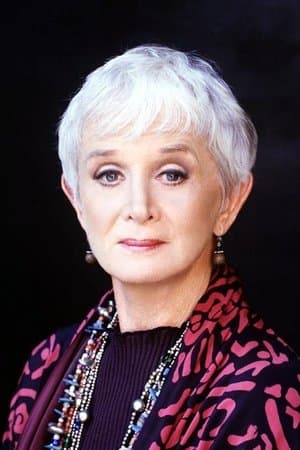
Barbara Barrie, the stage and screen actor whose career stretched from a ground-breaking role in the 1964 film "One Potato, Two Potato" through her Oscar-nominated turn in "Breaking Away" to a memorable run on "Barney Miller," has died at 95. News of her death was reported Tuesday. No cause was given.
Barrie belonged to that breed of performer Hollywood never quite knew how to categorize - a character actor with leading-lady chops, equally at home in a Neil Simon musical or a suburban coming-of-age drama. She worked steadily for more than six decades and, crucially, never seemed to treat any job as beneath her. Soap operas, sitcoms, Broadway, indie dramas - she did all of it, and usually made it look easy.
A Broadway Force Before the Cameras Came Calling
Long before she was a familiar face in living rooms across America, Barrie was a theatrical actor of real consequence. She arrived on Broadway in the late 1950s and made her mark in the original 1970 production of "Company," Stephen Sondheim and George Furth's landmark musical about marriage and ambivalence. Barrie played Sarah, one of the show's married friends, and her performance - grounded, wry, faintly exasperated - set the tone for the kind of acting she'd become known for. She picked up a Tony nomination for the role, and the production itself became a Broadway legend.
She also appeared in the original Broadway run of "The Beaux' Stratagem" and later starred in a revival of "The Prisoner of Second Avenue," among other stage credits. But it was "Company" that cemented her reputation as an actor who could find the ache beneath the punchline.
A Groundbreaking Turn in "One Potato, Two Potato"
Barrie's film career began to take shape in the early 1960s, and her breakthrough came with the 1964 drama "One Potato, Two Potato," in which she played a divorced white mother who marries a Black man and then faces a custody battle over her daughter. The film was a bold piece of independent cinema at a time when interracial marriage was still illegal in many states, and Barrie's performance earned her the Best Actress prize at the Cannes Film Festival. It was the kind of role that could have defined a career - and it very nearly did.
"Breaking Away" and the Oscar Attention
Fifteen years later, she stepped into a very different kind of family. In Peter Yates's 1979 coming-of-age film "Breaking Away," Barrie played Evelyn Stoller, the mother of a working-class Indiana teenager obsessed with Italian cycling. The film, which also starred Dennis Christopher and Paul Dooley, became a critical and commercial success, and Barrie earned an Academy Award nomination for Best Supporting Actress. It was her only Oscar nod, but it was enough to make the point: she could hold her own against any ensemble, in any era.
Small Screen, Big Presence
Television audiences knew her best as Elizabeth "Liz" Miller, the wife of Captain Barney Miller in the beloved ABC sitcom "Barney Miller." Barrie appeared in the first season as a regular and returned periodically throughout the show's run, providing a warm, grounding counterpoint to the precinct-house absurdity. She also had a long stint on the soap opera "The Doctors" and appeared in countless television movies and guest roles over the years, from "Law & Order" to "The Bob Newhart Show."
Her later work kept her busy well into her seventies and eighties, including a recurring role on the Netflix series "The Unbreakable Kimmy Schmidt" and appearances in films such as "Second Best" and "Judy Berlin." She never stopped working, and she never stopped being curious about the next part.
A Career Built on Range
What stands out about Barrie's filmography is not any single role but the sheer breadth of it. She could play a working-class mother in a Midwestern drama, a sharp-tongued Manhattan wife in a Sondheim musical, or a sitcom spouse with equal conviction - and she never seemed to treat one as more important than the others. In an industry that often rewards specialization, she was a generalist in the best sense of the word.
She is survived by her family and by a body of work that will keep reintroducing her to new audiences for a long time to come.
Source: The Hollywood Reporter