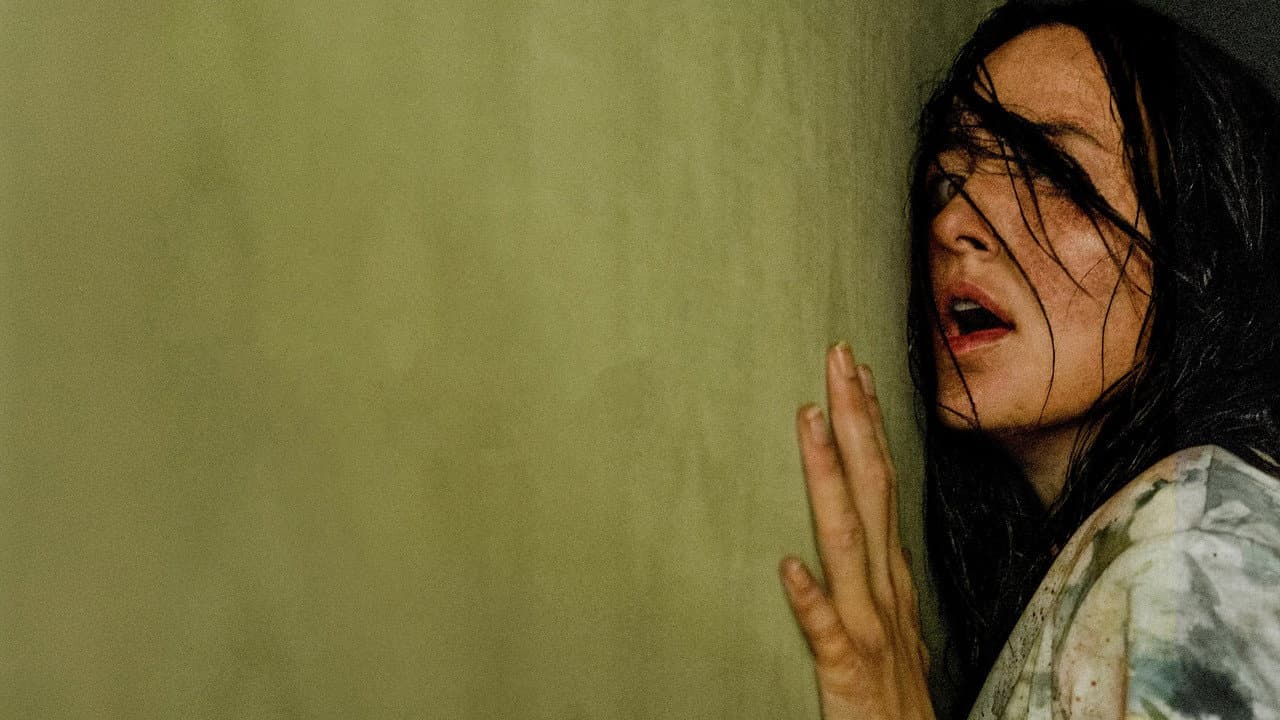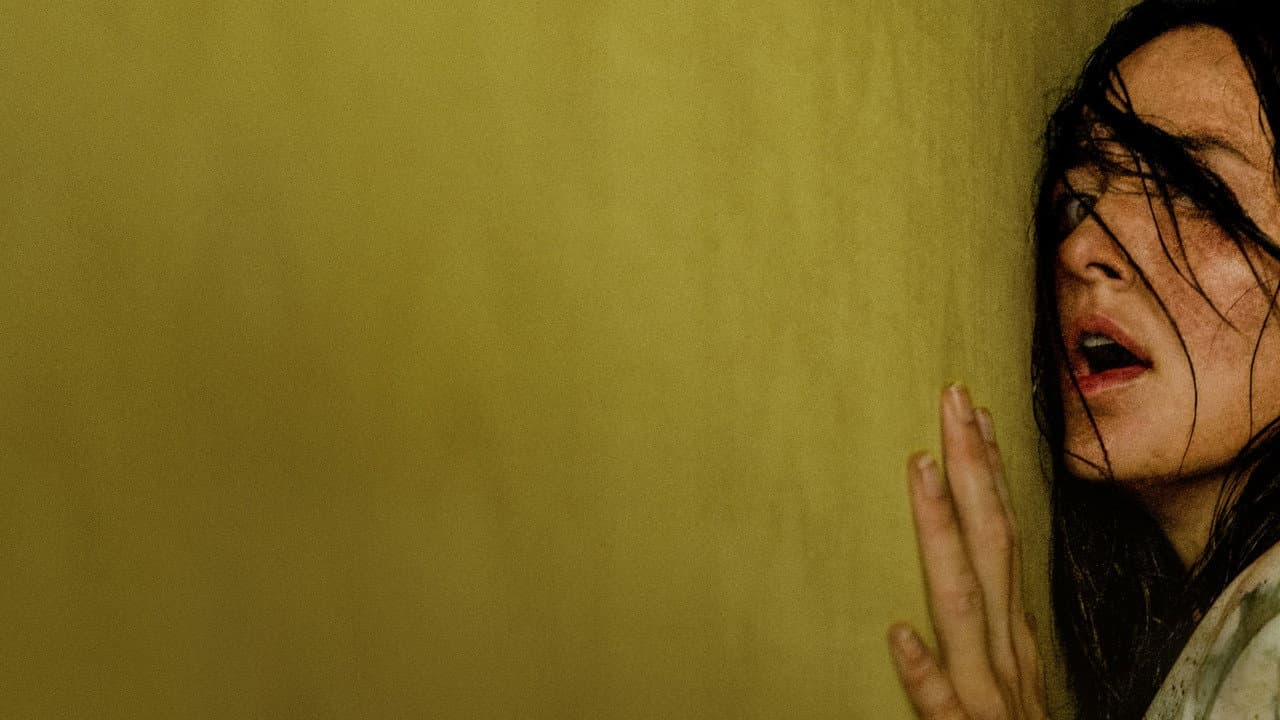
Kane Parsons has a theory about why Hollywood kept fumbling the Backrooms. It wasn't for lack of trying - the liminal-space creepypasta had been circled by studios for years - but somewhere between the pitch meetings and the focus groups, the whole thing kept slipping through their fingers. Parsons, the filmmaker who turned the concept into a viral sensation before he was old enough to drive, remembers sitting in a theater watching one of those early attempts unspool on screen. The trailer alone, he says, "activated a desire to see: How did Hollywood mess this up?"
That question is now, at last, academic. Parsons' own feature-length take on the material, simply titled Backrooms, opened on May 27, 2026, and it is very much his. The filmmaker behind the project also sits in the director's chair, and the film has landed with a solid 7.032/10 rating on TMDb - respectable numbers for a horror-mystery that trades in dread rather than jump-scare theatrics.
A Doorway in a Furniture Showroom
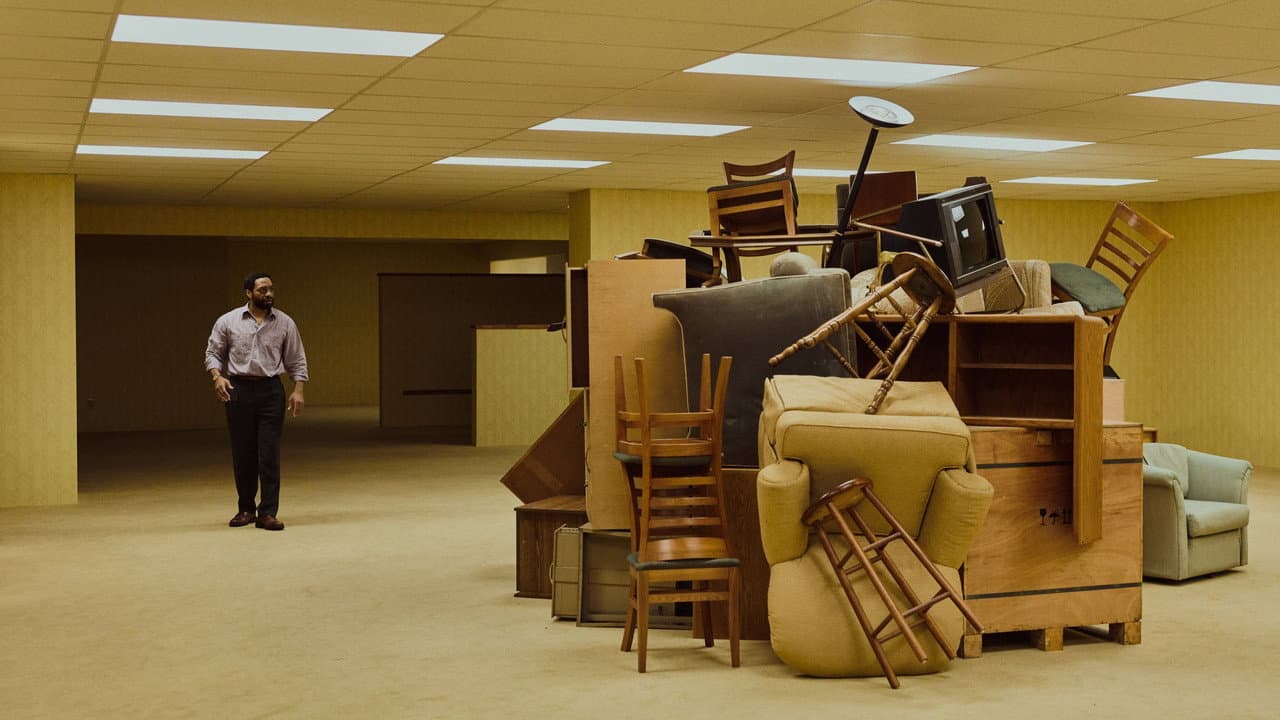
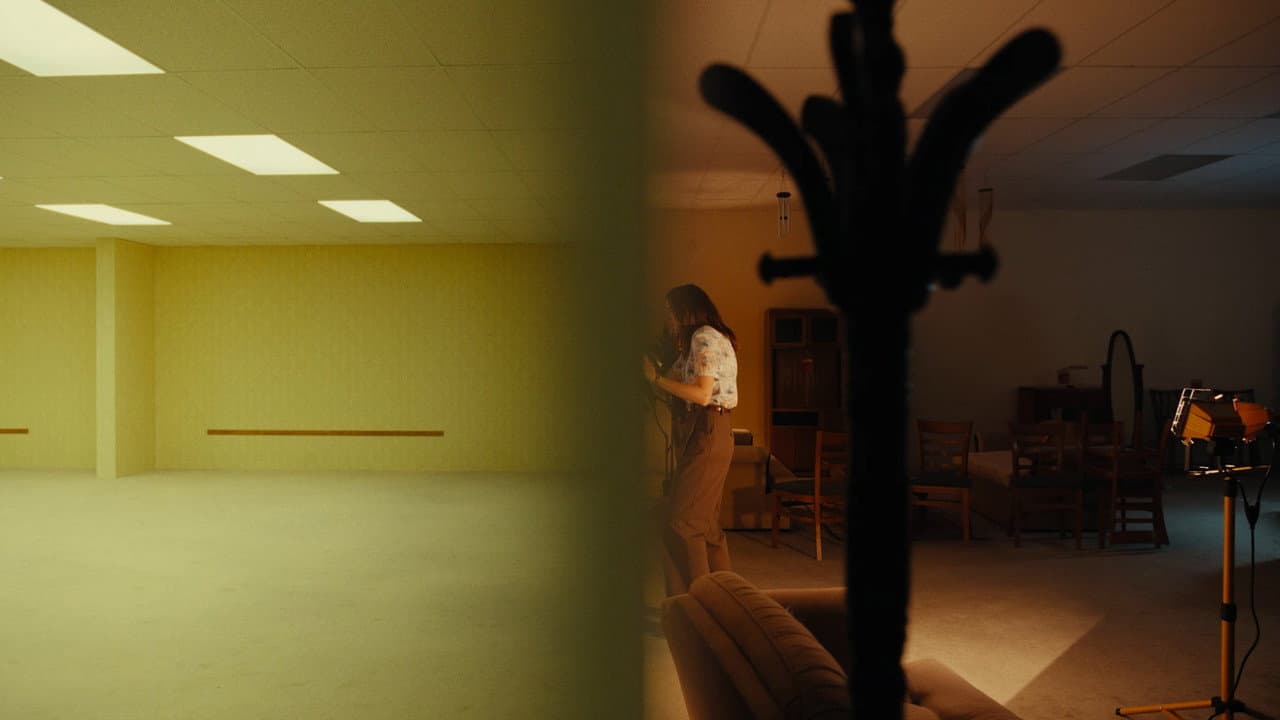
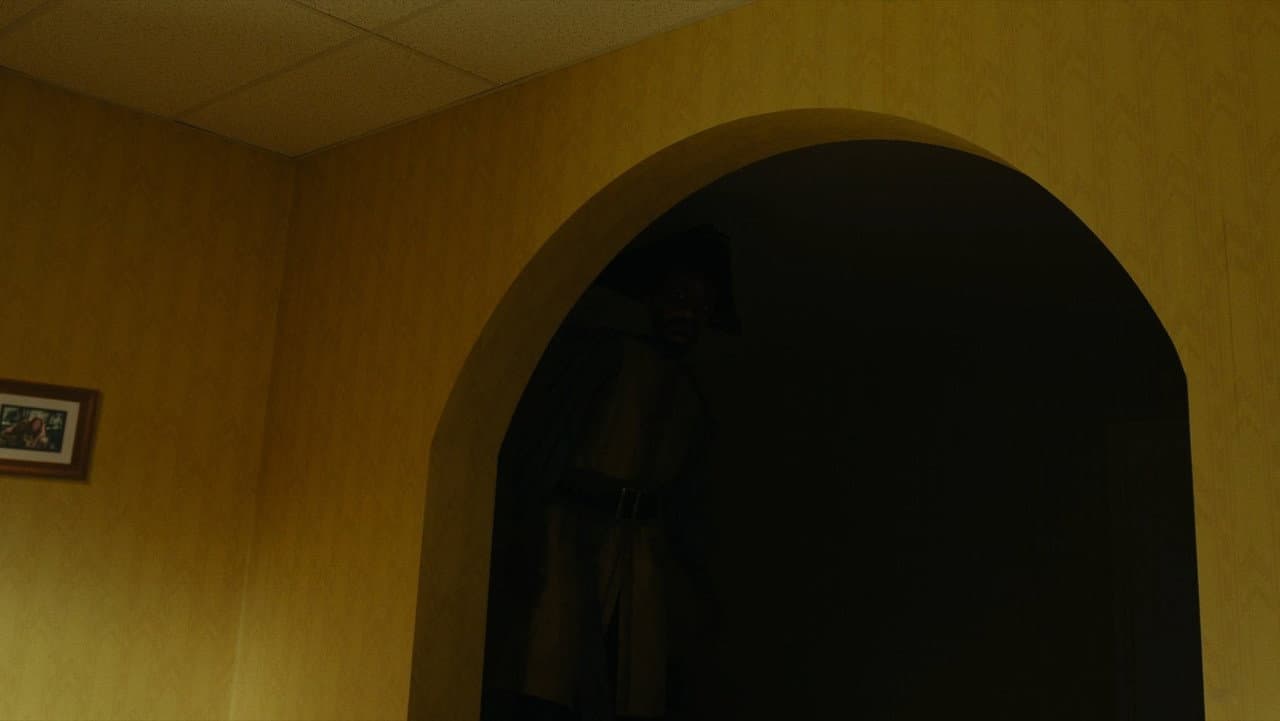
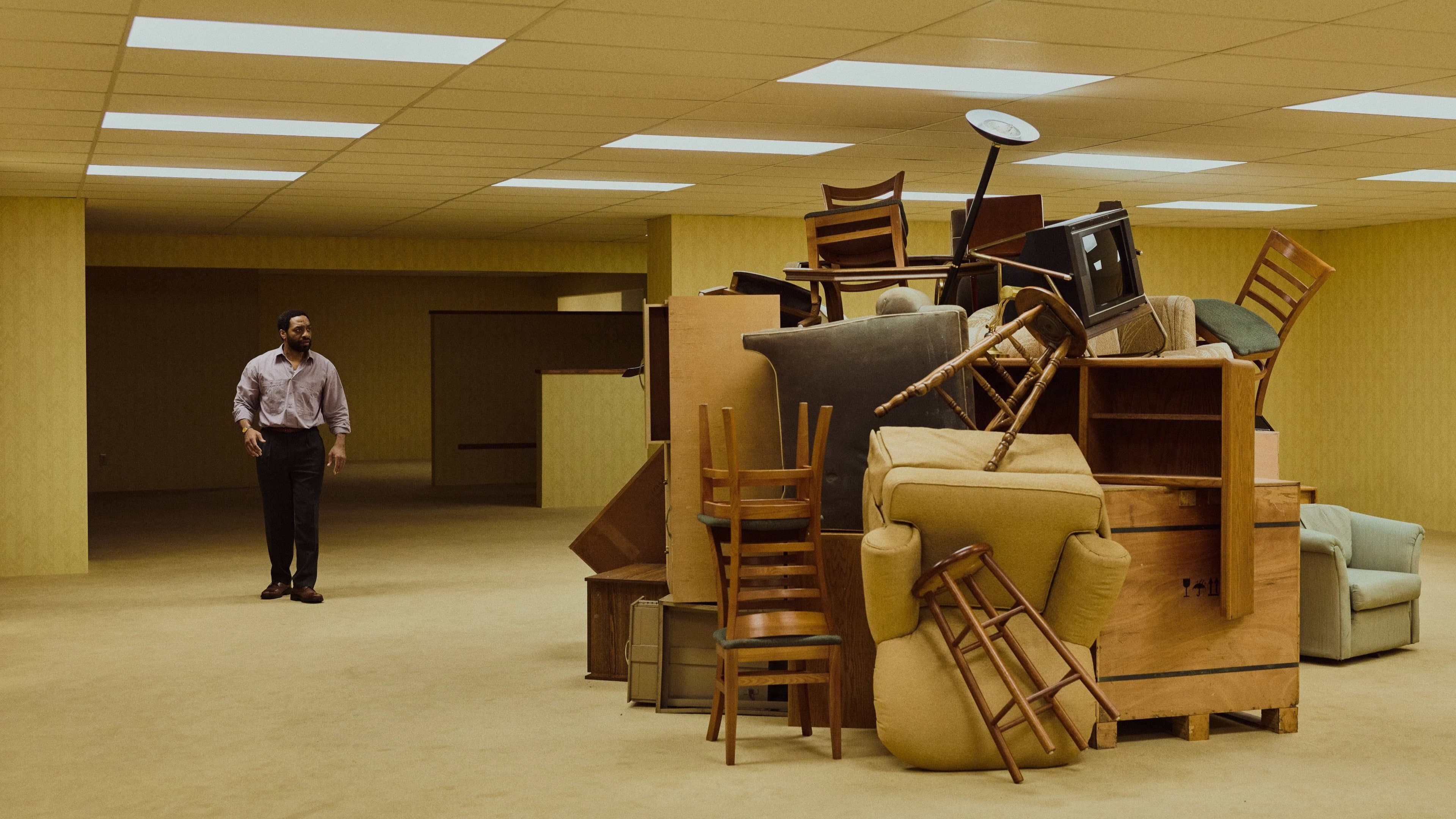
If you know the Backrooms lore, the premise will feel instantly familiar, but Parsons has built his version around a deceptively mundane hook. A strange doorway appears in the basement of a furniture showroom. That's it. That's the invitation.
From there, the film unfolds as a horror-mystery with science-fiction undertones, clocking in at 111 minutes and shot in English for a Hollywood production. The showroom setting gives the whole thing a queasy, fluorescent-lit energy - the kind of place you've walked through a hundred times without ever really looking at it. Which, of course, is exactly the point.
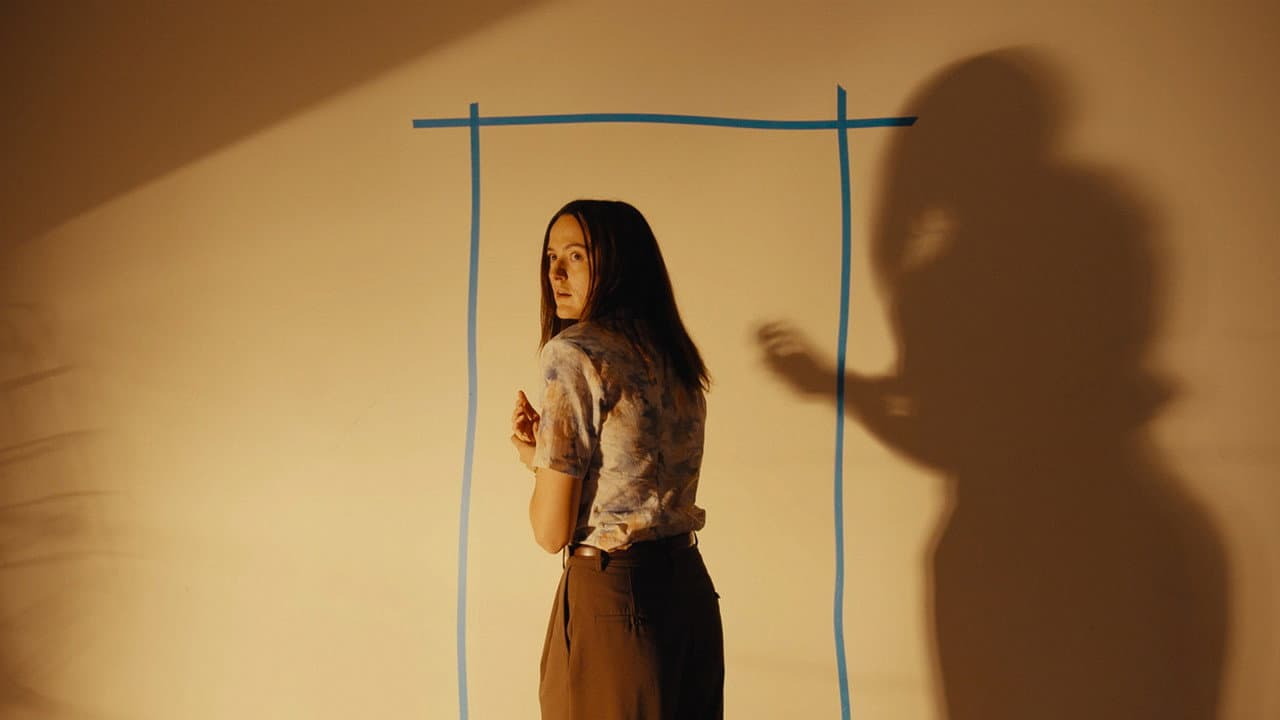
Parsons' cast is stacked with names that suggest this isn't some scrappy internet adaptation. Chiwetel Ejiofor leads as Clark, with Renate Reinsve as Mary, Finn Bennett as Bobby, Lukita Maxwell as Kat, Mark Duplass as Phil, and Avan Jogia as Naren Warne rounding out the ensemble. There's also a tantalizing credit buried in the cast list: Robert Bobroczkyi as "Pirate Clark," and Ember Ambrose as a younger version of Mary - hints that the film plays with time, identity, and possibly multiple versions of the same people.
From Viral Phenomenon to Feature Film
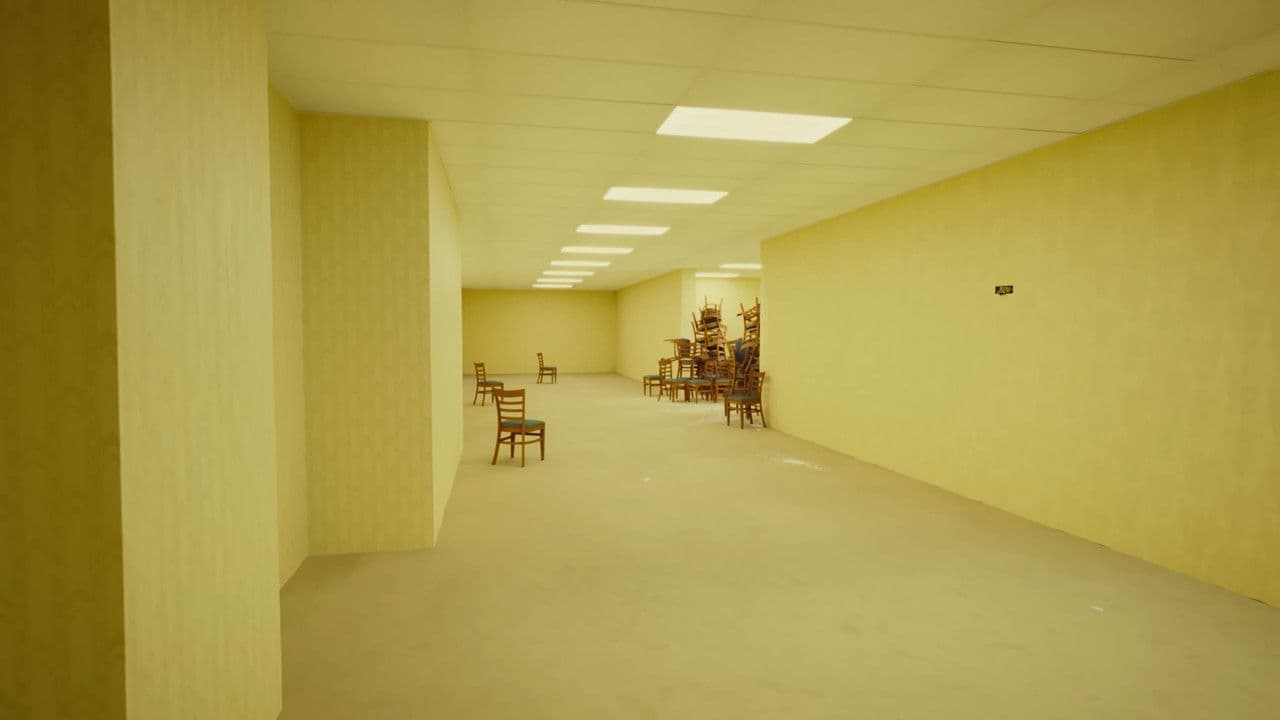
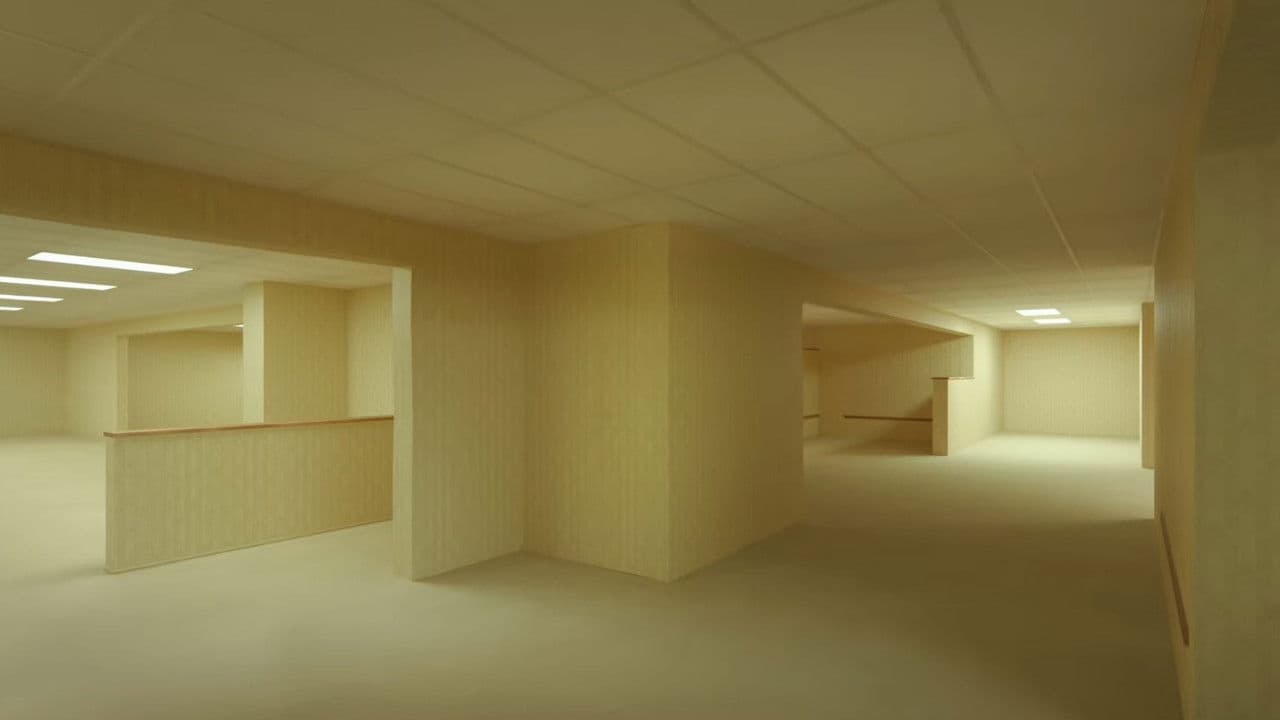
For the uninitiated, the Backrooms began as a single unsettling image - endless yellow rooms, damp carpet, buzzing lights - that metastasized into one of the internet's most enduring collaborative horror myths. Parsons was one of the creators who helped shape it into something cinematic, building a following with short-form videos that understood something most studio executives didn't: the scariest thing about the Backrooms is how boring they look.
That tension - the mundane versus the impossible - is precisely what Parsons seems to be chasing in the feature. His frustration with earlier Hollywood attempts wasn't about budget or scale. It was about nerve. The trailer for a previous incarnation apparently promised something it couldn't deliver, and Parsons felt the gap between that promise and the final product like a personal insult. The desire to see the thing done right became the engine for doing it himself.
Whether he's pulled it off is now up to audiences. The film's release date places it in a crowded summer corridor, but Backrooms has something most franchise fare doesn't: a built-in mythology that audiences already understand intuitively. You don't need a wiki to feel uneasy about an empty room that shouldn't exist. You just need to have been in one.
The Question Hangs in the Air
Parsons' rhetorical question - how did Hollywood mess this up? - doubles as a thesis statement for his own film. The implication is that he knows exactly where the previous attempts went wrong, and that Backrooms is the correction. It's a bold position for a director whose career began on the internet, but it's also a familiar arc: outsider makes something studios can't replicate, studios try anyway, outsider gets the keys.
With Ejiofor anchoring the cast and a premise that turns a furniture showroom into a portal to somewhere unspeakable, Backrooms has the ingredients to be either a cult favorite or a cautionary tale. Parsons, for his part, has already staked his claim: he saw what Hollywood did, and he decided he could do it better. The box office and the discourse will decide whether he was right - but the fact that the film exists at all suggests he might just have been onto something.
Source: The Hollywood Reporter