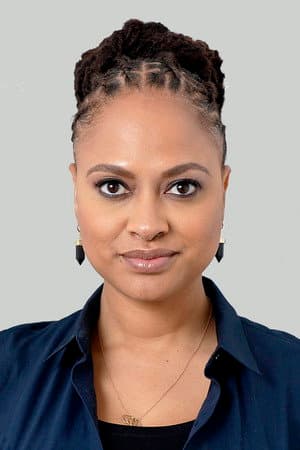
Ava DuVernay didn't come to the BFI London Film Festival to make anybody feel comfortable. The acclaimed director behind Selma and 13th reportedly told the audience that "Hollywood is over" - a blunt declaration that landed like a thunderclap in a room full of film lovers, industry insiders, and hopeful newcomers. And honestly? She might be onto something.
The Death of the Old Model
DuVernay's remark wasn't a doomsday prophecy so much as a diagnosis. The Hollywood she came up in - the one built on studio gates, seven-figure development deals, and a rigid ladder of gatekeepers - no longer functions the way it once did. Streaming fractured the distribution model. Theatrical windows shrank. The mid-budget adult drama, once the backbone of prestige filmmaking, has been squeezed to near extinction.
But the filmmaker's point seems to cut deeper than economics. "Hollywood" as a cultural monolith - the idea that one town, one system, and one narrow set of decision-makers determine what the entire world watches - has lost its grip. Audiences now pull stories from Seoul, Lagos, Mumbai, and Mexico City as readily as from Los Angeles. The monoculture is dead. What's replaced it is messier, more democratic, and frankly more interesting.
DuVernay's Own Path Fits the Thesis
There's a certain poetry in DuVernay being the one to say it. She has never been a creature of the traditional studio system. Her breakthrough, Middle of Nowhere, was made on a shoestring. She built an audience through grassroots distribution and relentless self-advocacy before Hollywood caught up with her. When she did step into the big leagues - the Disney tentpole A Wrinkle in Time, the Netflix-distributed 13th - she did it on her own terms, and then kept moving.
More recently, her work has leaned further outside the traditional pipeline: independent financing, direct relationships with platforms, and a public-facing role as a mentor and amplifier for underrepresented voices. For DuVernay, saying Hollywood is over isn't a lament. It's a shrug. She's already living in the after.
What Comes Next?
The natural question hanging over the festival audience: if Hollywood is over, what takes its place? The answers aren't tidy. Independent financing is more accessible but more precarious. Streaming offered a gold rush, then pulled back the welcome mat as platforms chased profitability. Social media can launch a filmmaker overnight - and bury them just as fast.
And yet there's real cause for optimism in the wreckage. Regional film industries are booming. Film festivals like BFI have become genuine marketplaces, not just red-carpet photo ops. Creators can reach global audiences without begging a studio executive for a green light. The gatekeepers haven't vanished, but there are more doors than ever - and a lot of them don't require a key.
DuVernay's provocation also carries a warning. The collapse of the old system doesn't automatically produce a fairer one. Without institutional support, independent filmmaking remains a privilege for those who can afford to gamble. The challenge of the next decade isn't just tearing down the old model - it's building something that doesn't replicate its exclusions.
A Festival Moment That Sticks
BFI London Film Festival audiences are used to hearing directors talk craft, influences, and career war stories. They're less used to hearing one declare an entire industry obsolete. That's what makes DuVernay's line stick. It wasn't a soundbite designed to trend; it was a working filmmaker telling a room full of film people the truth as she sees it.
Whether you read "Hollywood is over" as eulogy or liberation speech probably depends on where you sit in the ecosystem. For the studio executive clinging to a dying model, it's grim. For the filmmaker with a camera, a story, and an internet connection, it might be the most encouraging thing anyone's said all festival.
Source: Screen Daily