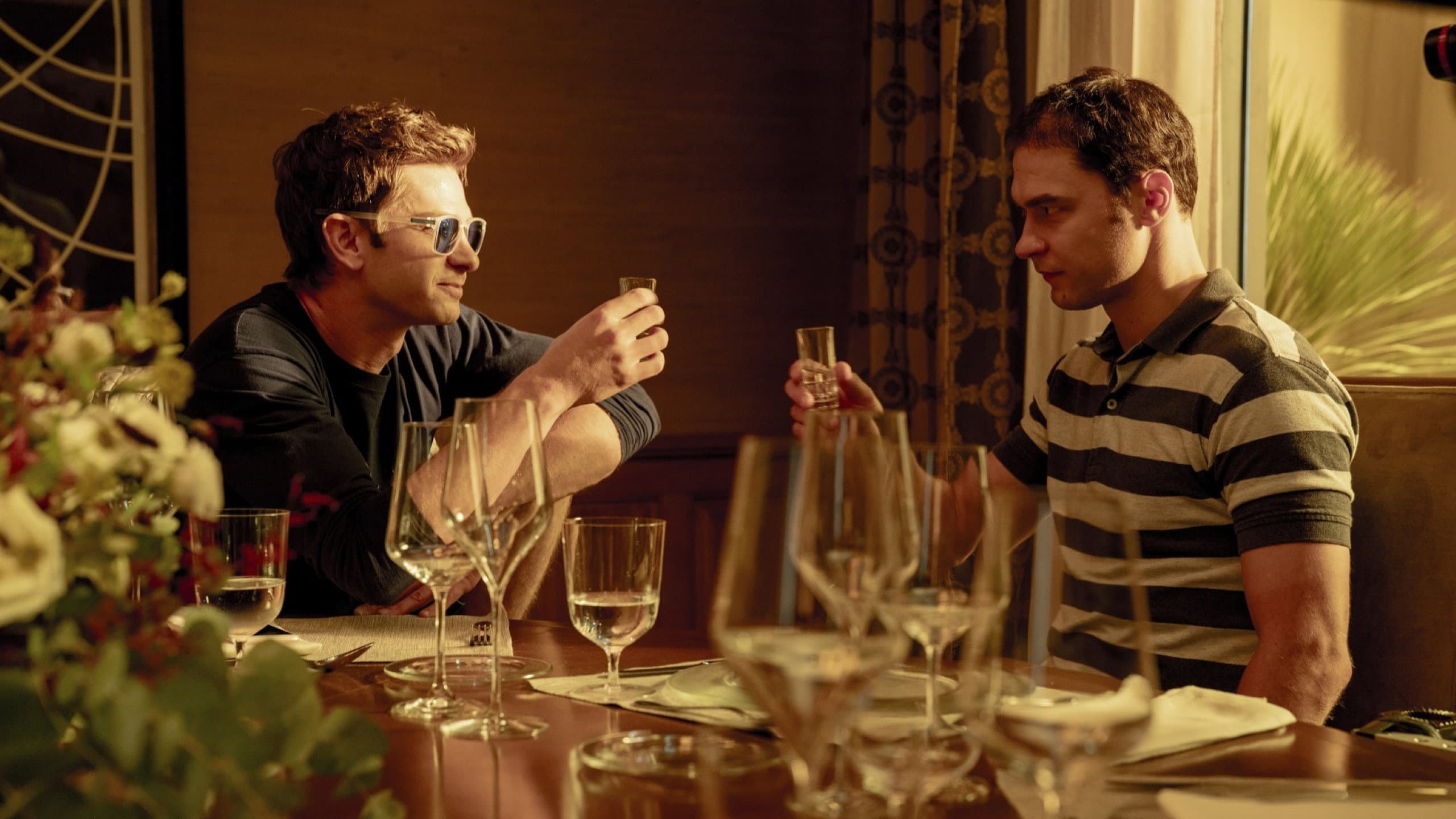
Hollywood loves a David-and-Goliath story, right up until the slingshot is aimed at the studio gates. That's the uncomfortable lesson at the center of "Artificial," the new drama that dares to poke one of the entertainment industry's biggest sacred cows - and is finding out that the business of show business doesn't always appreciate being the villain of the piece.
The film centers on a scrappy upstart who takes on a monolithic tech company, a premise that feels ripped from any given week's headlines. The giant in question is unmistakably modeled on the kind of all-consuming corporation that has spent the last decade swallowing studios, streamers, and anything else with a recognizable logo. "Artificial" doesn't just gesture at that power; it stares it down, which is exactly where the trouble started.
The Nerve of It
Here's the thing about making a movie that bites the hand that feeds: that hand controls a lot of the feeding. According to the reporting around the project, "Artificial" ran into the reality that the same conglomerates it critiques also bankroll distribution, marketing, and the awards campaigns that turn a good movie into a cultural event. Taking on a big tech giant on screen is one thing. Doing it while that giant - or its cousins - holds the keys to your release strategy is another.
The industry's reaction has been a mix of admiration and squirming. Insiders have described a climate of polite hesitation, the kind where everyone privately agrees the movie has a point and publicly wonders whether it's "the right moment." Spoiler: it's never the right moment for a story that makes powerful people uncomfortable.
A Mirror, Not a Window
What makes "Artificial" sting isn't its fiction - it's its familiarity. The last several years have seen tech money flood into Hollywood, reshaping everything from how films get greenlit to what counts as a hit. Algorithms now influence what gets made, and consolidation has narrowed the field of who gets to say yes. A movie about a lone challenger facing down an unstoppable corporate machine lands differently when the audience knows the machine has a seat at the table.
That tension is the film's secret weapon. It isn't a fantasy about slaying the dragon; it's a snapshot of what it feels like to swing at one and realize the dragon owns the arena. Critics have gravitated toward that idea, praising the movie for capturing a specific, uneasy mood rather than offering a tidy triumph. It's less Rocky and more "what happens after you throw the punch and nobody claps."
Why Hollywood Flinched
The flinch, though, is its own story. Hollywood has always had a complicated relationship with self-critique. It'll happily make movies about corrupt politicians, ruthless Wall Street traders, and the occasional evil studio executive - as long as the target isn't too close to the people signing the checks. When the subject is the very tech consolidation that now undergirds so much of the town's economics, the reflex to tiptoe kicks in fast.
There's also the matter of precedent. Independent-minded filmmakers have long complained that the safest way to get a project buried is to make it too pointed. Not blacklisted, exactly - nothing that dramatic - just quietly deprioritized. A limited release here, a soft marketing push there, and a movie that should have been a conversation-starter becomes a footnote. Whether that's happening to "Artificial" is the question nobody in a position of power wants to answer on the record.
The Bigger Picture
Beyond the behind-the-scenes drama, "Artificial" raises a question the industry keeps dodging: who gets to tell stories about power when power owns the distribution? The film's very existence is a minor miracle, a reminder that occasionally the system lets a thorny little movie slip through. But the resistance it's meeting suggests that's the exception, not the rule.
For audiences, though, there's something refreshing about a movie that doesn't pretend the deck isn't stacked. "Artificial" may not change how Hollywood does business - few films do - but it puts the machinery on display, and that's worth the ticket. In an era of safe bets and algorithmic sequels, a film willing to name the giant is a small act of defiance, even if the giant gets the last word on where it plays.
Hollywood wasn't ready. That's precisely the point. The question now is whether audiences will show up for a story that tells them the truth about the room they're sitting in - and whether the town will keep pretending it didn't hear.
Source: The Hollywood Reporter