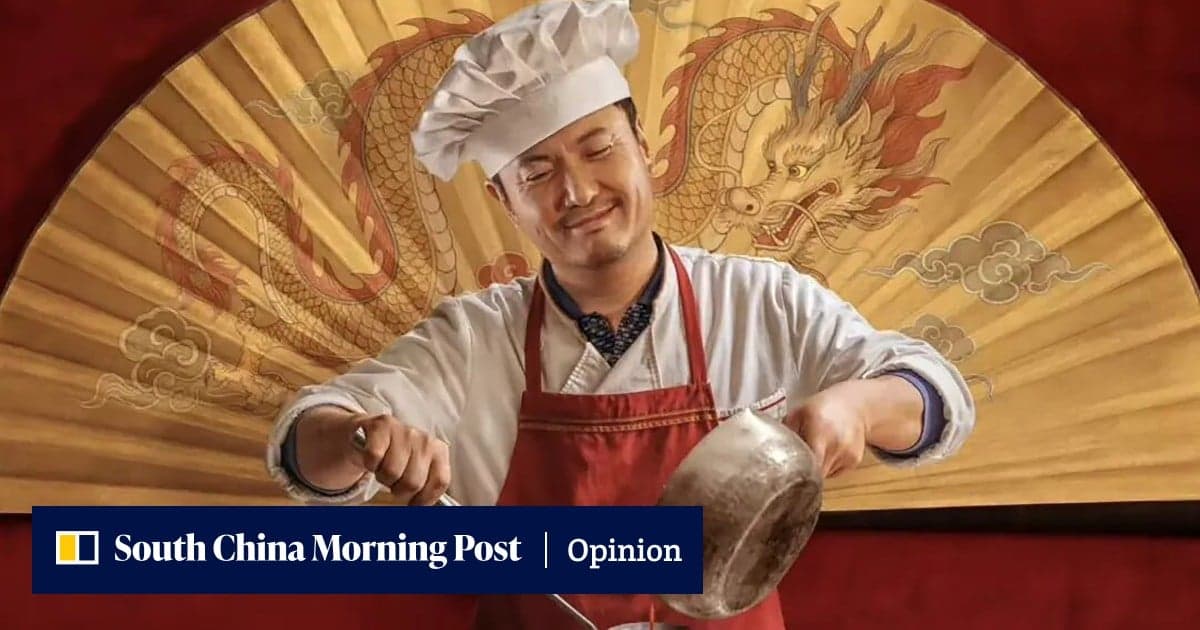
War movies usually come with a certain playbook: deafening explosions, heroic last stands, and a score that practically begs you to feel something. But according to a new opinion piece making the rounds, there’s a Chinese cook in the Middle East who’s flipping that script entirely - serving up an anti-war film that trades battlefield bravado for something far more quiet, and arguably far more devastating.
The piece, which has been sparking conversation among cinephiles and casual streamers alike, paints a portrait of a film that refuses to give audiences the catharsis they’ve been trained to expect. Instead of following soldiers through gunfire, we’re following a cook. A Chinese cook. And his weapon of choice isn’t a rifle - it’s a wok. The setting is the Middle East, a region that’s been the backdrop for countless Hollywood war epics, but rarely one that feels this intimate, this grounded, and this stubbornly unglamorous.
What makes this approach so refreshing, according to the essay, is the way it sidesteps the usual moralizing. There’s no grand speech about the futility of war. No slow-motion shot of a soldier clutching a fallen comrade. Instead, the film finds its power in the mundane: chopping vegetables, stirring broth, and the quiet dignity of feeding people while the world outside crumbles. It’s a reminder that life doesn’t stop just because conflict does - and that survival, in its most basic form, is its own kind of resistance.
The cook’s journey isn’t about heroics in the traditional sense. He’s not defusing bombs or smuggling wounded fighters across borders. His defiance is quieter, more stubborn. He insists on cooking. He insists on flavor. He insists on the small rituals that make us human, even when everything around him suggests humanity is a lost cause. The opinion piece argues that this approach delivers a more potent anti-war message than any sweeping battle sequence ever could - because it doesn’t let the audience off the hook. You can’t cheer. You can’t look away. You just have to sit with the discomfort.
Of course, this isn’t the first time cinema has tried to tackle war from the margins. Films like The Pianist and Life Is Beautiful have shown us the power of art and family in the shadow of atrocity. But this new perspective - centering a Chinese cook in the Middle East - adds a layer of cultural dislocation that feels especially timely. He’s an outsider everywhere he goes, navigating a landscape where he doesn’t speak the language, doesn’t share the faith, and doesn’t have a dog in the fight. And yet, he’s there. He’s present. He’s making dinner.
The essay also touches on how the film subverts expectations of what a "Chinese character in a war movie" usually looks like. Too often, Asian characters in Western war films are relegated to stereotypes or sidekick roles, there to provide a bit of exotic color before fading into the background. Here, the cook is the emotional core, the lens through which we experience the tragedy and the beauty of daily endurance. It’s a small but significant step in broadening who gets to tell these stories, and how.
What’s particularly compelling is the film’s refusal to pick a side. It doesn’t demonize any army or nation. It doesn’t offer easy answers about which cause is just. Instead, it zeros in on the individual cost - the missed meals, the interrupted sleep, the constant hum of anxiety that defines life in a conflict zone. The cook doesn’t have the luxury of ideology; he has a stove to man and hungry people waiting. In that way, the film becomes less about geopolitics and more about the stubborn persistence of everyday life.
It’s a bold choice, especially in a market that tends to reward spectacle over subtlety. But the opinion piece makes a convincing case that this is exactly why the film stands out. It’s not trying to blow your mind with effects; it’s trying to break your heart with details. The way a hand trembles while holding a ladle. The way a smile falters when another round of shelling starts. The way food becomes both a comfort and a reminder of everything that’s been lost.
For audiences tired of the same old war-movie beats, this sounds like a breath of fresh air. And for the cook at the center of it all, it’s a testament to the idea that sometimes the most powerful statement you can make is simply to keep going. To keep stirring the pot. To keep feeding the people around you, even when the world seems determined to burn itself down.
While there’s no word yet on when or where this film might be available to wider audiences, the buzz is already building. It’s the kind of movie that doesn’t just entertain - it lingers. It asks questions. And it leaves you thinking about the last meal you had, and who made it, and what it meant.
In a landscape crowded with blockbuster war epics, a quiet story about a Chinese cook in the Middle East might just be the most radical thing on the menu. Pass the salt - and the tissues.
Source: South China Morning Post