Dentsu is betting big on feathers and fury. The Japanese advertising and media giant has set its sights on Hollywood in a serious way, and the centerpiece of that gamble is nothing less than an "Angry Birds 3" - plus whatever comes after. It's a bold swing for a company best known for marketing muscle rather than movie magic, and it signals that the flock isn't ready to fly off into the sunset just yet.
Let's be honest: on paper, this sounds like the plot of a movie itself. A company that built its empire on commercials decides it wants a bigger slice of the entertainment pie, and it picks a franchise about grumpy, flightless birds to lead the charge. But there's logic buried under the feathers. The original "Angry Birds" movie, released back in 2016, proved that a mobile game about slingshotting birds at smug green pigs could translate into a genuine theatrical draw.
The Original That Started It All
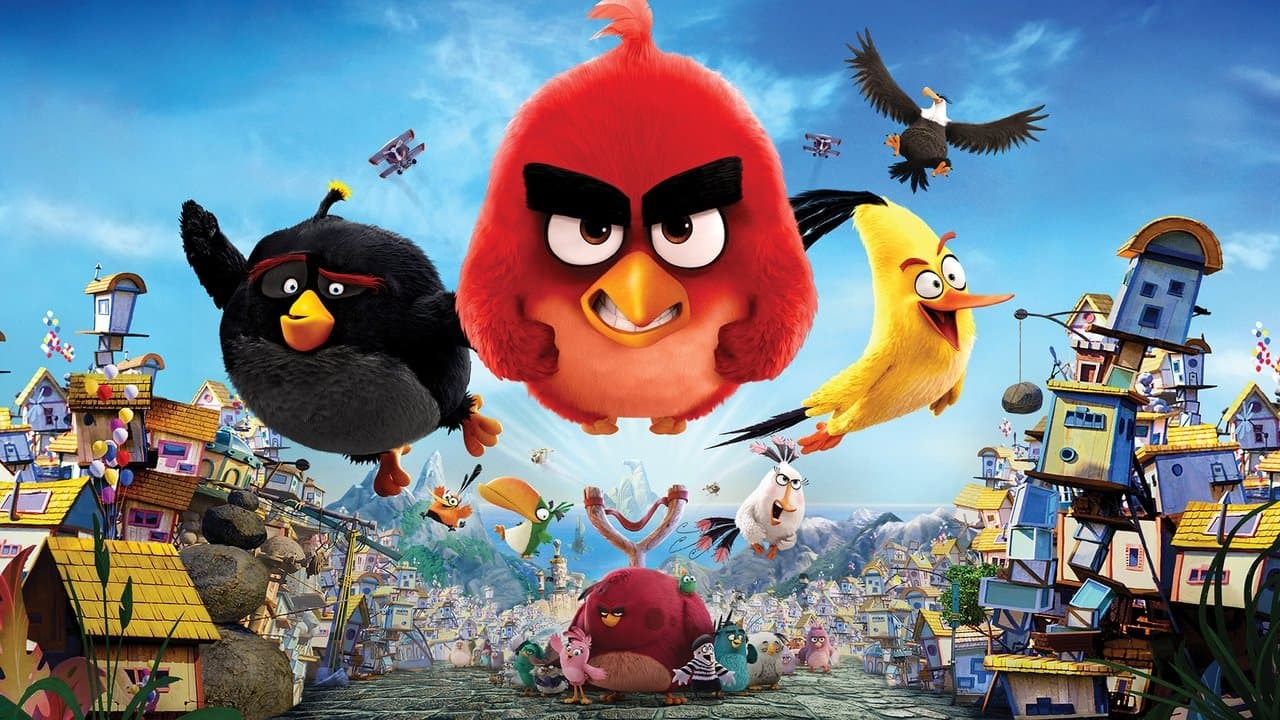
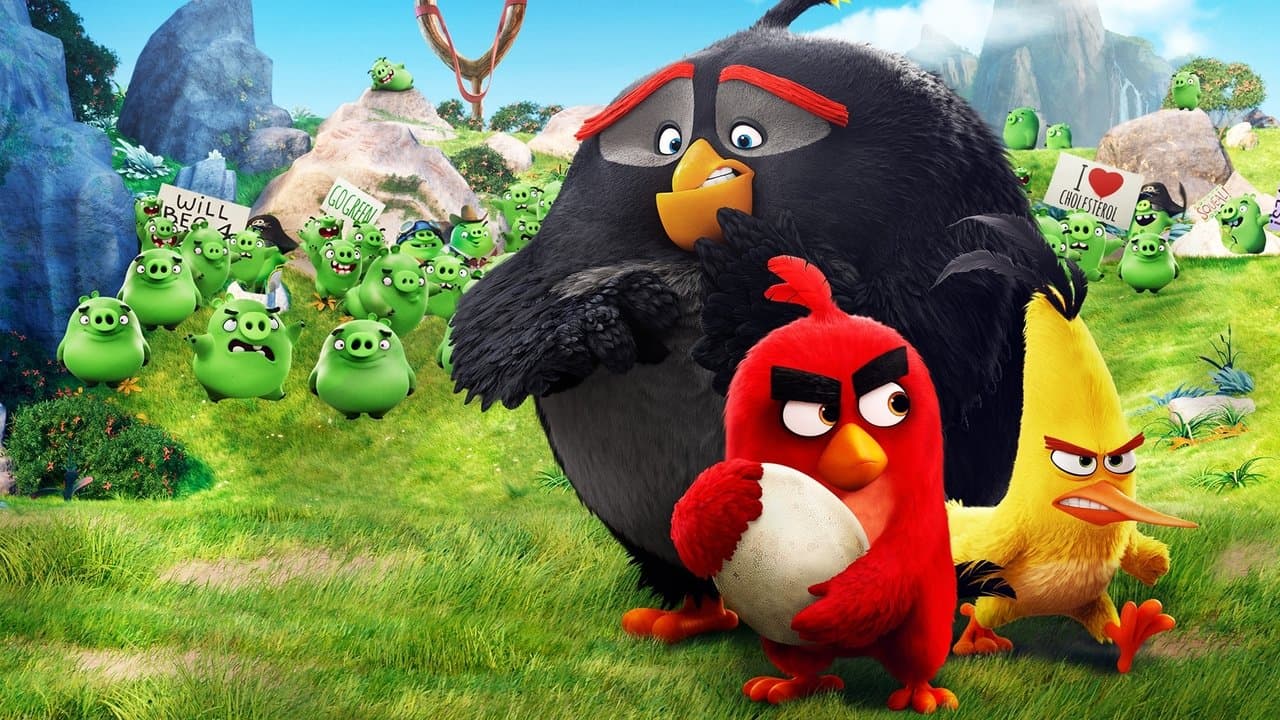
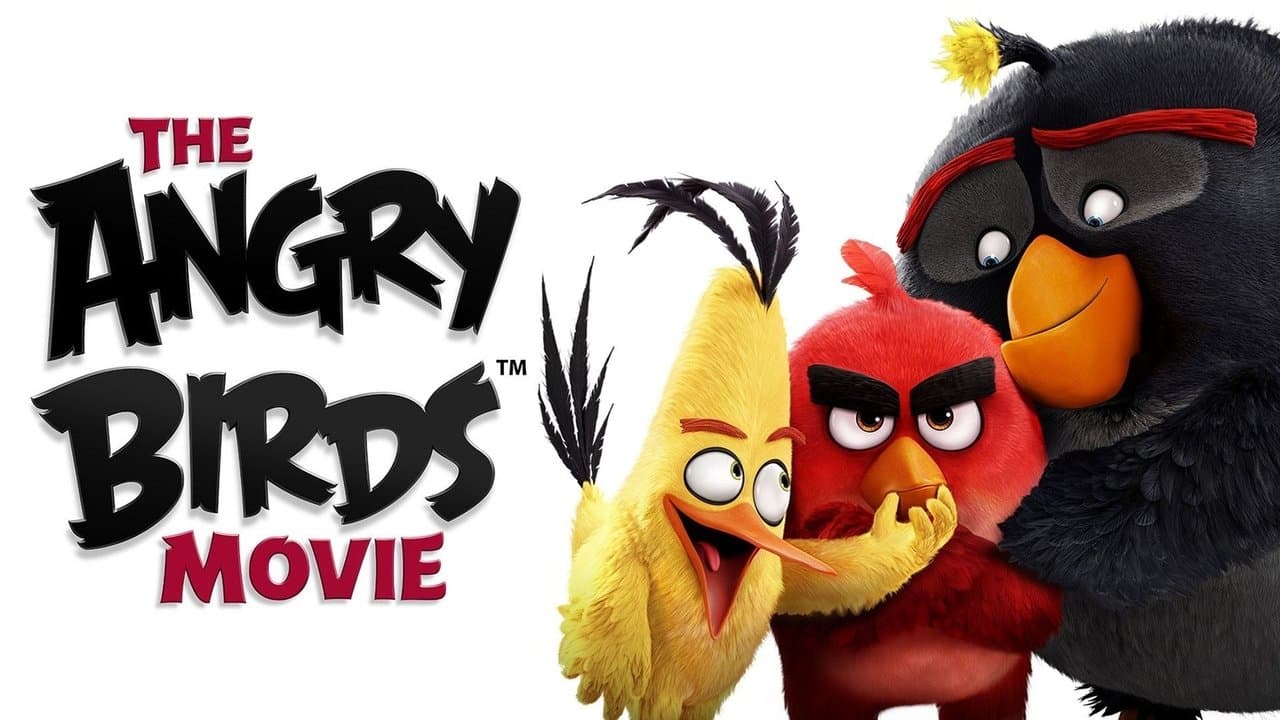
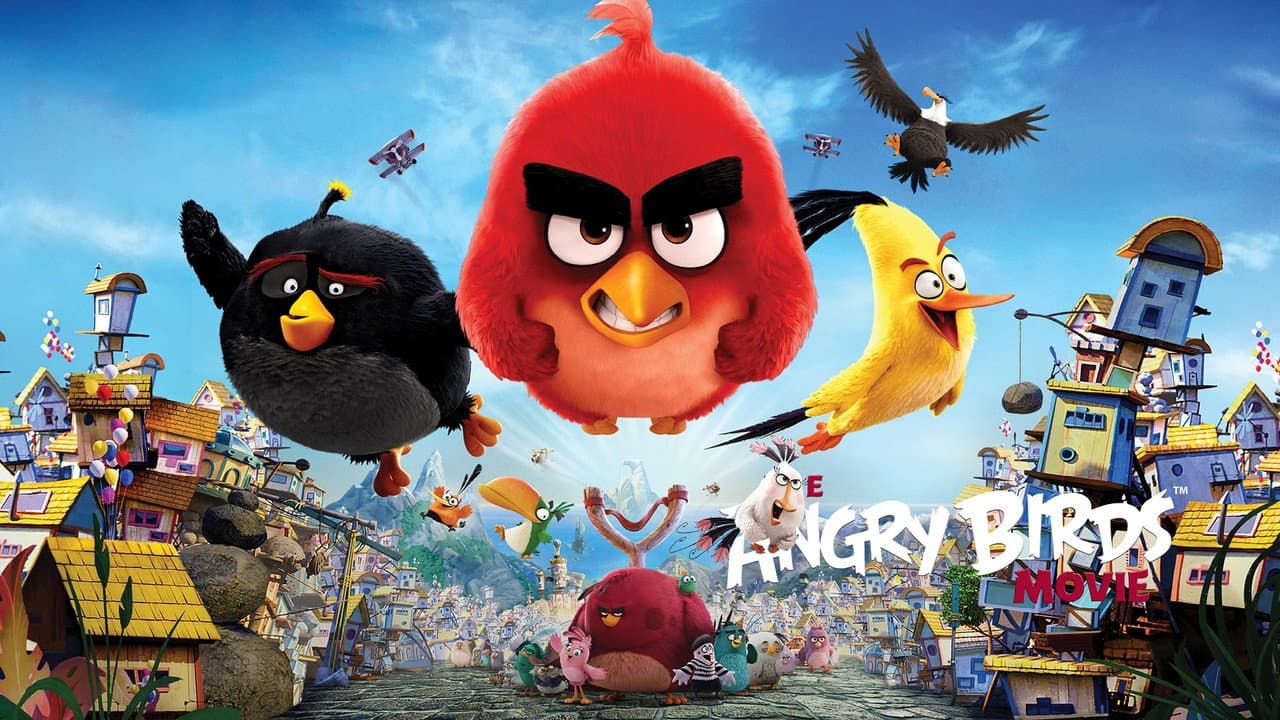
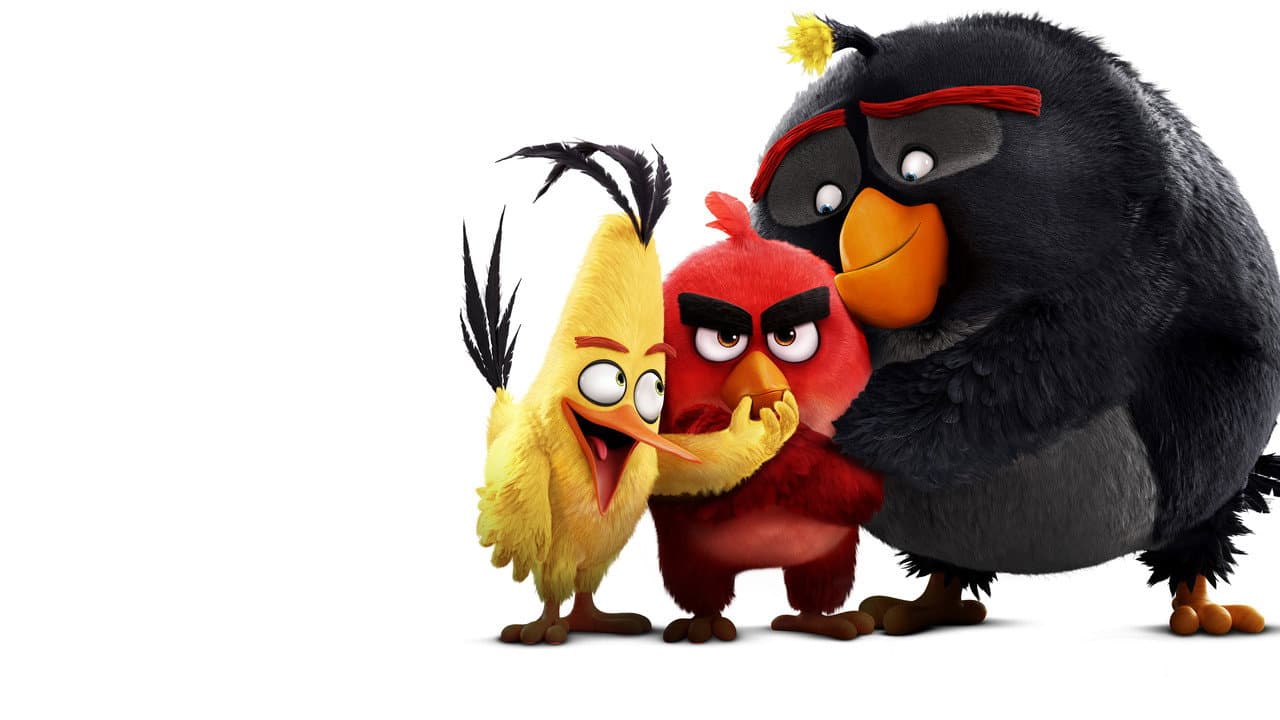
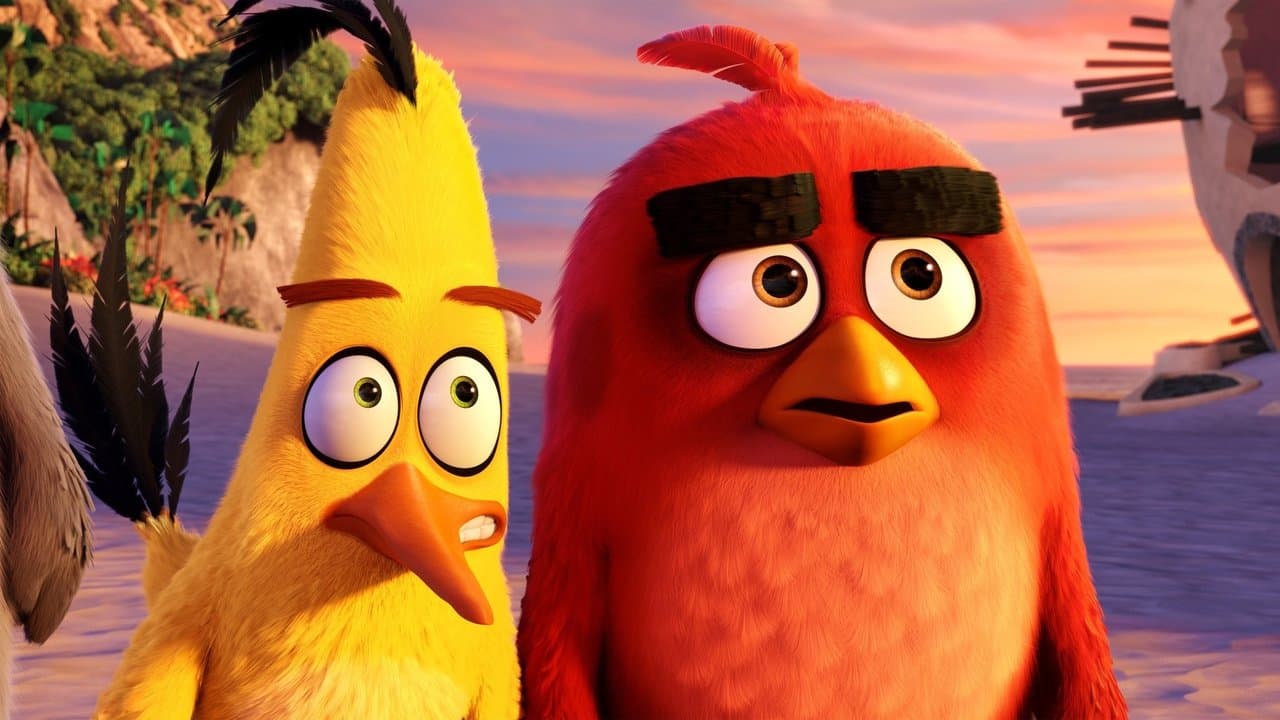
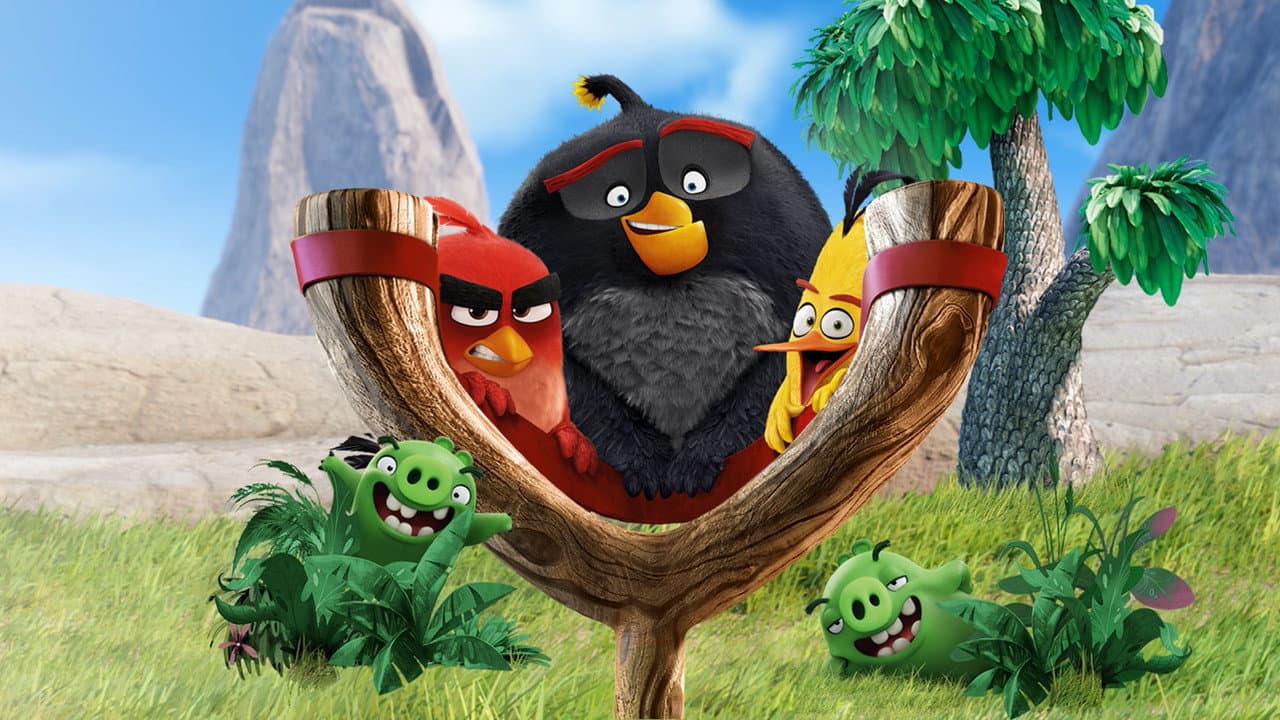
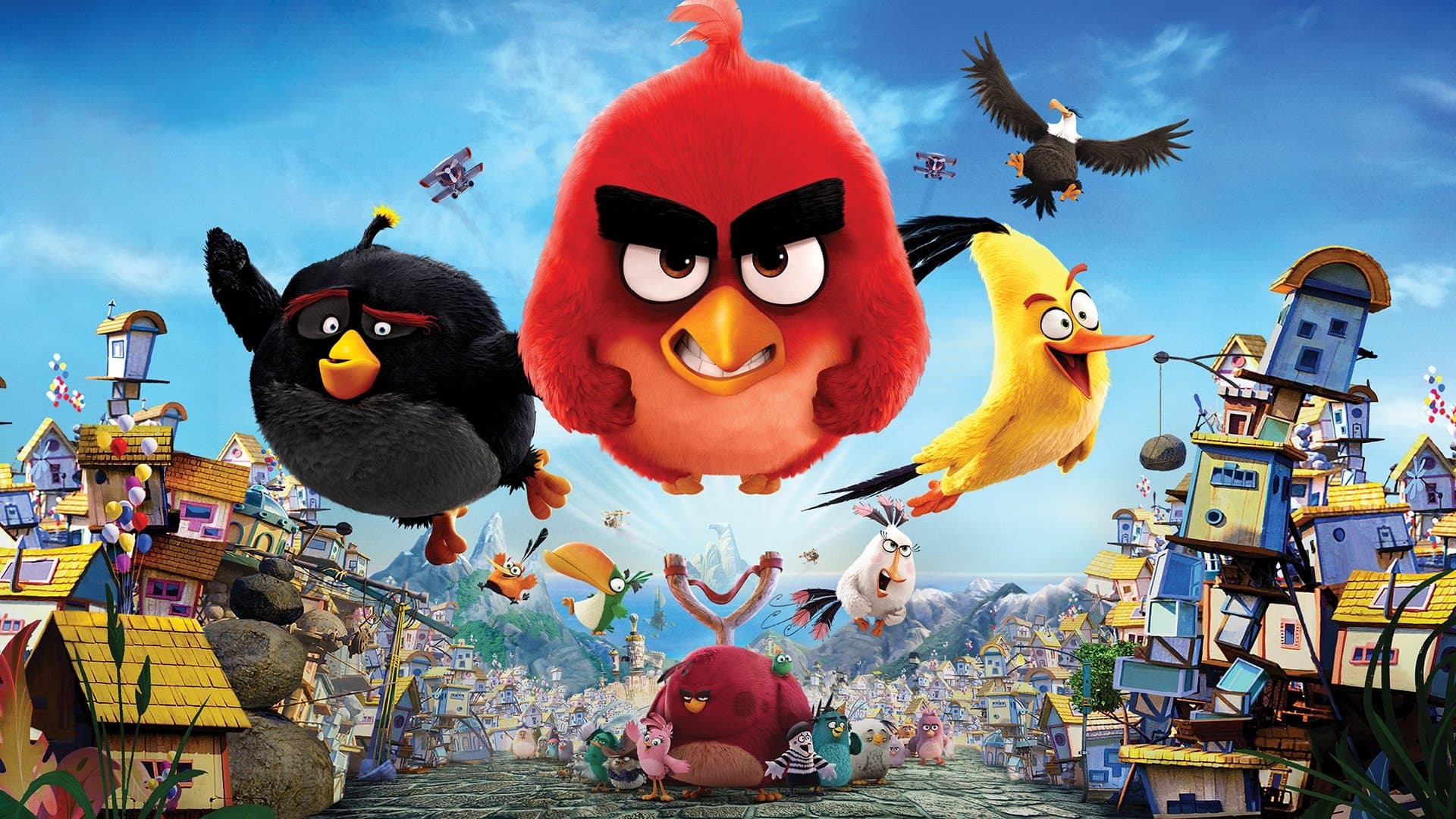
For anyone who somehow missed the phenomenon, the premise is as simple as it is silly. The film drops us on an island populated entirely - or almost entirely - by happy, flightless birds. In this supposed paradise, three feathered misfits never quite fit in: Red, a bird with a temper problem; Chuck, who moves at breakneck speed; and Bomb, who lives up to his name by being more than a little volatile.
Then the mysterious green piggies show up, and suddenly these unlikely outcasts are the only ones asking the right questions. What are the pigs actually up to? The answer, of course, involves a lot more than friendly diplomacy.
The 2016 original ran a brisk 97 minutes and carried a TMDb rating of 6.294 out of 10 - respectable enough for an animated family adventure, though hardly a critical darling. It was directed by Clay Kaytis and boasted a stacked voice cast: Jason Sudeikis as Red, Josh Gad as Chuck, Danny McBride as Bomb, Maya Rudolph as Matilda, Bill Hader as Leonard, Peter Dinklage as Mighty Eagle, Sean Penn as Terence, and Keegan-Michael Key as Judge Peckinpah. That's a comedy nerd's dream lineup stuffed into a movie about angry birds.
Why Dentsu Wants In
So why would a Japanese media powerhouse look at this franchise and see dollar signs? The answer is probably less about the birds and more about the machine behind them. Animated family films are among the most reliable performers in global cinema. They travel well, they spawn merchandise, they fuel theme park attractions, and they keep earning long after the theatrical window closes. For a company with Dentsu's marketing DNA, that kind of intellectual property is catnip.
The move also fits a broader pattern. Media and advertising conglomerates have spent years trying to blur the line between content and commerce, and owning a franchise outright is the surest way to control both. "Angry Birds 3" isn't just a movie - it's a beachhead.
Beyond the Birds
The "and beyond" in the headline is where things get interesting. A third "Angry Birds" film is a known quantity, but Dentsu's ambitions reportedly stretch past this single property into a wider Hollywood strategy. That could mean new animated franchises, partnerships with established studios, or acquisitions that give the company a permanent foothold in Los Angeles.
Whether audiences will embrace a Dentsu-branded slate remains an open question. Moviegoers rarely care who signs the checks - they care whether the movie is good. But in an industry where IP is king and family entertainment is the crown jewel, the company's timing isn't crazy. The birds have already proven they can survive a trip to the big screen. The real test is whether their corporate backers can build something that lasts.
For now, the flock has a new nest. Red, Chuck, and Bomb are coming back - and this time, there's a lot more riding on their shoulders than a few stolen eggs.
Source: Business Insider