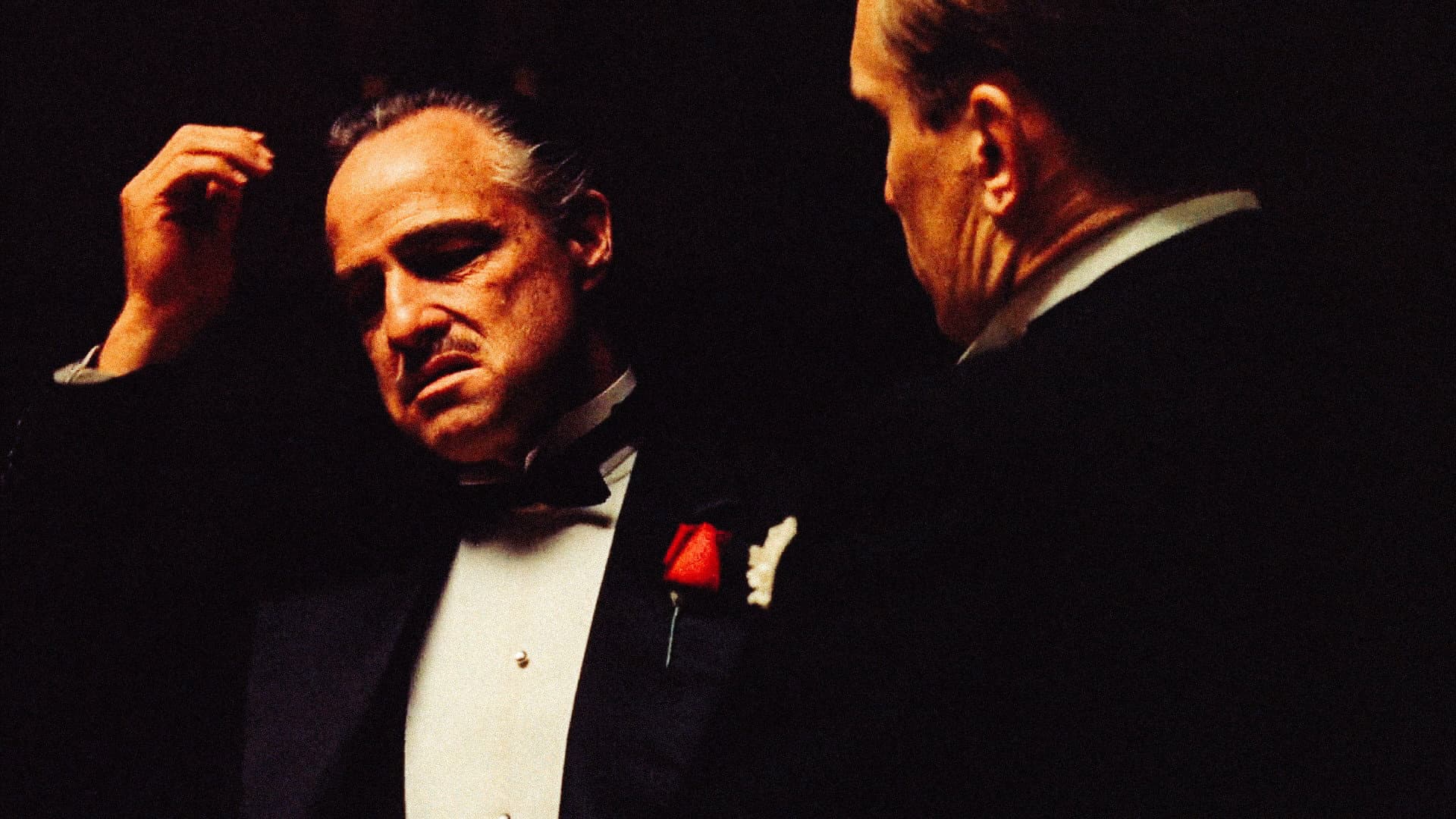
Andrea Eastman, the casting director who helped shape one of the most iconic films in cinematic history, has passed away at the age of 86. The news hit the entertainment world with a wave of nostalgia, as Eastman wasn't just a behind-the-scenes player - she was a connector of talent, a sharp-eyed agent, and a woman who knew exactly what a director needed before the director even knew it themselves.
For those who grew up with The Godfather etched into their cultural DNA, Eastman’s work is the invisible thread that tied it all together. Casting a film like that in the early 1970s wasn't just about finding actors; it was about finding the essential soul of each character. Al Pacino, James Caan, Robert Duvall, Diane Keaton - none of them were the obvious choices at the time. Pacino was a relatively unknown stage actor with a quiet intensity that could easily have been overlooked. Eastman saw it. She had an uncanny ability to look past a resume and spot the spark that would later ignite on screen. For a studio nervous about bankability, her instinct was the compass that guided the ship.
But Eastman’s legacy wasn’t confined to the Corleone family saga. Before she became a casting heavyweight, she cut her teeth at International Creative Management (ICM), where she repped some of the era’s most talked-about talent. In an industry dominated by aggressive, male-fronted agencies, Eastman carved out a space with a blend of diplomacy and steel. She wasn’t the loudest voice in the room, but she was often the one with the clearest vision. Her clients trusted her judgment, and that trust translated into careers that lasted decades.
The transition from agent to casting director might seem like a demotion to outsiders - less power, less money, fewer headlines. But Eastman understood that casting was where the real magic happened. It was storytelling at its most fundamental level: choosing the human beings who would carry the words, the moods, and the moral weight of a script. She approached it with the same zeal she brought to negotiating contracts, but with more freedom. There was no client to please; there was only the film to serve.
Her work on The Godfather is the stuff of industry legend, but what’s often forgotten is how difficult that production was. Studio executives were second-guessing director Francis Ford Coppola at every turn. The budget was tight, the location shooting was a logistical nightmare, and the pressure to deliver a blockbuster was immense. Casting could have been the weak link, but Eastman made it a fortress. She didn't just find actors - she assembled a family. The chemistry you feel when you watch the film today isn't an accident; it's the result of meticulous, almost obsessive matchmaking.
Eastman’s influence also rippled through the agency world in a quieter way. She was a mentor to younger agents, many of whom went on to become power players in their own right. She taught them the value of patience, the importance of listening, and the art of saying no without burning bridges. Female agents in particular found in her a model of professional grace under pressure. She wasn't a symbol or a headline; she was a worker. And in an industry that thrives on ephemeral fame, there’s something deeply respectable about that.
As the news spreads, expect a wave of tributes from actors who worked with her, directors who trusted her, and casting directors who followed in her footsteps. They’ll talk about her warmth, her wicked sense of humor, and the way she could size up an actor in thirty seconds and know if they had what it took. That kind of intuition can’t be taught. It’s a gift, and Eastman used it generously for more than five decades in the business.
What makes her passing resonate so strongly right now is how much the industry has changed. Casting is more data-driven, more social-media-aware, more globalized than ever before. But at its core, the job remains what Eastman made it: a search for truth in performance. No algorithm can replicate that gut feeling you get when someone walks into a room and just is the character. Eastman had that gut feeling in spades, and The Godfather is its most enduring proof.
Fans of that film - and there are generations of them now - might not know Eastman’s name the way they know Brando’s or Pacino’s. But every time they watch Michael Corleone transform from a reluctant war hero to a cold-blooded patriarch, they’re watching the result of her imagination. The haunted eyes, the measured breath, the quiet fury - those choices are the actor’s, but the bet that those choices would land was Eastman’s.
She leaves behind a body of work that is both sprawling and intimate, a career that skips the flashy highlights reels and instead lives in the performances she shaped. There’s no vanity here, no ego, just a life spent in service of stories. And honestly, that’s the best kind of Hollywood legacy there is.
Rest in peace, Andrea. The next time we watch a casting reel, we’ll think of you. And the next time we watch The Godfather, we’ll know exactly who to thank for the faces we can’t forget.
Source: The Hollywood Reporter