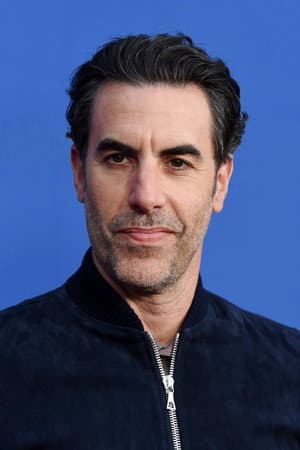
Sacha Baron Cohen has never been one to shy away from controversy. From Borat’s outrageous cultural collisions to Bruno’s fashion-week ambushes, the man built an entire career on pushing buttons. But his latest project, a return to the beloved satirical persona Ali G, appears to have pushed a few too many of them. Activists are flooding theaters with complaints, and the backlash has reached full-blown email-bomb proportions. The buzz isn't about laughter in the aisles anymore - it’s about the sound of 37,000 angry messages hitting inboxes.
According to reports, the new Ali G movie - a project that also boasts Cohen’s track record from films like The Dictator - is being slammed as racist by multiple advocacy groups. The complaints aren't just a few stray tweets or a handful of disgruntled film critics. This is a coordinated campaign, and the sheer volume of emails sent to theater chains suggests that the pressure is real. With 37,000 messages, that’s more than a talking point - that’s a movement.
The Irony That Won’t Go Away
Here’s the thing about Ali G: the character was always a layered joke. He’s a clueless, tracksuit-wearing wannabe gangster from Staines, a suburban kid who desperately wants to be seen as a hardcore urban figure. The original comedy came from watching him fumble through interviews with serious politicians and intellectuals, exposing their willingness to pander to someone they clearly don’t understand. For many, it was brilliant satire on class, race, and media superficiality.
But satire, as always, operates on a razor’s edge. What some viewed as a sharp critique of cultural appropriation, others see as the very thing it mocks. The activists leading this charge argue that the movie leans too heavily on tired, offensive stereotypes. They claim that in this day and age, resurrecting a character who speaks in a hyperbolic, borrowed dialect isn’t clever subversion - it’s just fuel for real-world prejudice. The line between lampooning racism and amplifying it, they argue, is far too thin when the audience isn’t in on the joke.
Theaters Caught in the Crossfire
The campaign has put cinema chains in an awkward position. Theaters are mostly in the business of showing movies, not adjudicating cultural debates. But when thousands of organized emails start clogging up their contact forms and guest services, it gets hard to ignore. The pressure is on them to make a call: Screen the film and risk alienating a chunk of the local community, or drop it and face the wrath of Cohen’s massive fanbase, who will inevitably cry censorship.
So far, there’s no official word on how the major chains are handling the deluge. But the optics are tricky. On one hand, pulling a film based on external pressure sets a dangerous precedent for artistic freedom. On the other, the optics of championing a movie that a significant portion of the public finds offensive isn't exactly good business. It’s a classic no-win scenario for the people who just want to sell popcorn and overpriced soda.
Cohen’s History of Provocation
This isn’t Cohen’s first rodeo with accusations of bad taste. His career has been a tightrope walk over a pit of outrage. With The Dictator, he played a buffoonish tyrant - a role that was itself a minefield of ethnic and political stereotypes. But the criticism always felt manageable because the target was so clearly a caricature of a fictional megalomaniac. The Ali G situation is different. While The Dictator was clearly a fictional leader, Ali G treads in the real-world territory of race and class in the UK.
The question many pop-culture observers are asking is whether the new film simply fails to land the satire in a modern context. The world has changed drastically since Ali G first shuffled onto British television screens. What felt transgressive and essential in the early 2000s can feel tone-deaf and clunky today. When the subject matter involves a white comedian adopting a heavily coded persona, the margin for error is practically zero.
What Happens Next?
For now, the ball is in the theaters’ court. Will they weather the storm? It seems unlikely that the film will get a wide release if the pressure keeps mounting, but Cohen has a loyal following that often turns out in droves just to see what he will do next. There’s also the question of whether he’ll respond. Known for staying in character during press tours, it would be fascinating to see how he addresses the controversy - if he does at all.
One thing is certain: the conversation around this movie isn’t just about a comedy. It’s about who gets to tell jokes, what the limits of satire are, and whether we can laugh at a character that mocks racism without accidentally laughing with it. For an industry that loves a good comeback story, this is shaping up to be one of the messiest releases of the year. Keep your popcorn ready, but maybe hold the commentary until the credits roll. This one’s got a long way to go.
Source: The Hollywood Reporter