Twenty-five years after the twin towers fell, Hollywood is still working out how to talk about it. The business of make-believe spent the mid-1990s blowing up the White House, hijacking planes, and flattening Manhattan on screen without a second thought. Then the morning of September 11, 2001, made all of that suddenly, unthinkably real - and the industry spent the next decade-plus figuring out what, if anything, it was allowed to say about it. The answer, as six very different films demonstrate, turned out to be: almost everything, as long as you approached it sideways.
The first instinct was panic. Studios yanked trailers for anything featuring the World Trade Center, pushed back release dates, and quietly scrubbed entire storylines. Spider-Man's teaser poster, which framed the twin towers between his outstretched wrists, vanished. A Jackie Chan action comedy built around a skyscraper climax got shelved. For a hot minute, it looked like the disaster movie was dead.
It wasn't. It just went into hiding - and when it came back, it came back with a conscience.
The First Wave: Grief, Not Spectacle
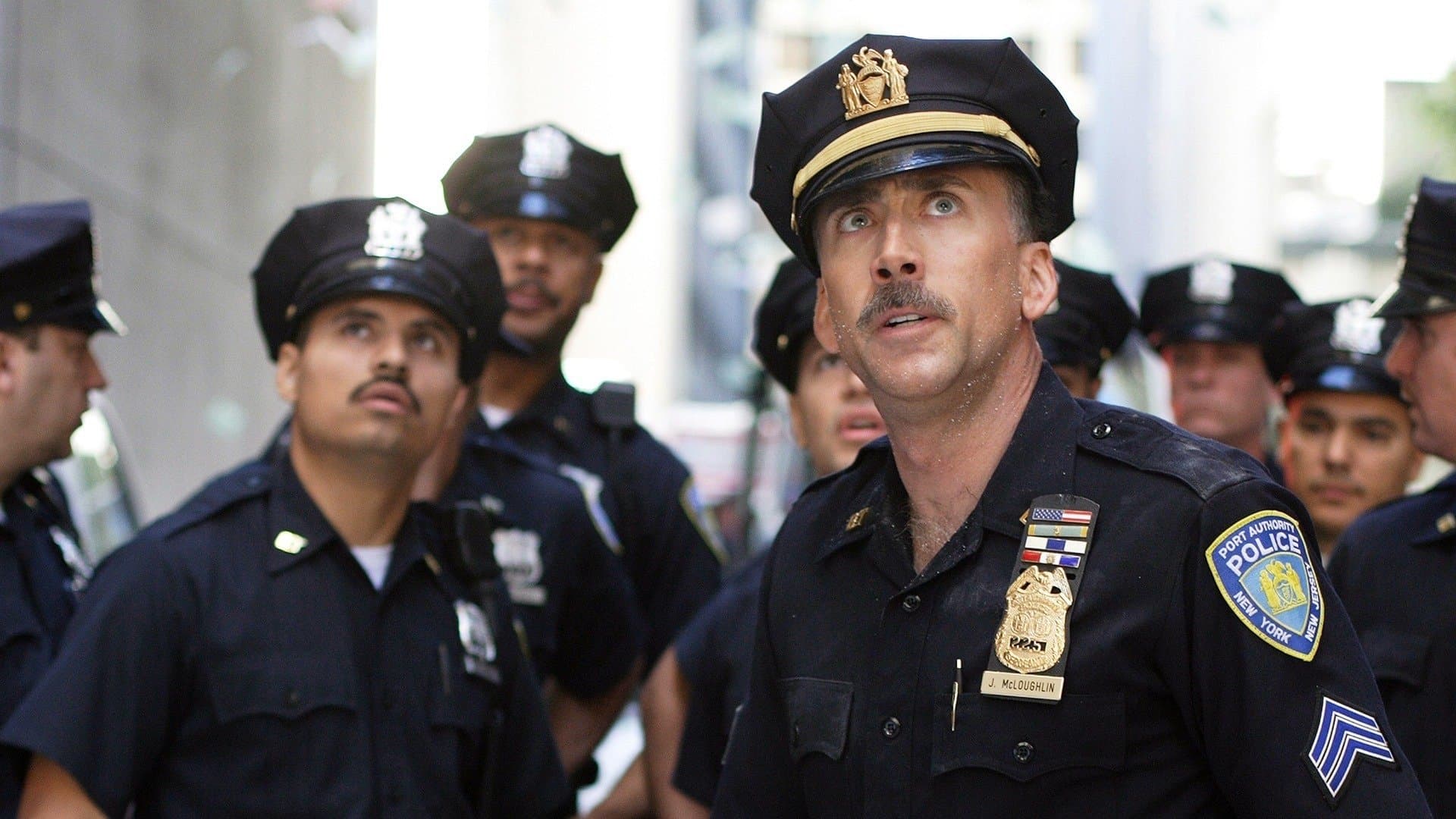
The earliest serious attempts to reckon with 9/11 mostly kept their distance. United 93, Paul Greengrass's you-are-there reconstruction of the fourth hijacked flight, arrived in 2006 and dared audiences to sit through a story whose ending they already knew. It was harrowing, acclaimed, and - for many viewers - simply too much. A companion piece that same year, Oliver Stone's World Trade Center, focused on the survival of two Port Authority officers trapped in the rubble rather than the geopolitics of the day. Both films made the same bet: that the emotional truth of the event was more cinematic than any dramatized conspiracy.
Stone, notably, had flirted with a far stranger version of this story. His original concept followed a police officer rescued from the wreckage who then goes looking for a friend in the aftermath. It was the safer, smaller film that got made, and that restraint says plenty about where the culture was at the time.
The Angry Years
By the late 2000s, the mood had curdled. Reign Over Me, a 2007 drama starring Adam Sandler as a man who lost his family in the attacks, used 9/11 as the wound underneath a story about friendship and depression - proof the event could be a character detail rather than a plot engine. Then came Spike Lee's 25th Hour, which had the audacity to open with the towers already gone and let its hero spend a long, furious monologue cursing everyone he could think of, including himself. It remains one of the most honest scenes any American filmmaker wrote about the summer of terror, precisely because it refused to be noble.
That same impulse - to treat 9/11 as a scar on characters rather than a set piece - runs through Extremely Loud & Incredibly Close, which followed a boy searching New York for the lock that matches a key he found among his father's belongings. Critics were split on the film's sentimentality, but its central conceit was telling: the event had become a puzzle left to the next generation.
The Docudrama and the Argument
No overview of this ground is complete without Kathryn Bigelow's Zero Dark Thirty, which skipped the attacks themselves and charted the decade of intelligence work that followed. Its torture scenes sparked a fight that had less to do with 9/11 than with how movies should depict it, but the film's shadow over the conversation was unmistakable. And let's not forget the documentaries - from Fahrenheit 9/11, which turned the aftermath into a political battering ram, to smaller, quieter portraits of the families left behind.
What ties this odd little canon together isn't a shared message. It's a shared problem: how do you build a story around a day that everyone remembers and no one wants to relive? Every one of these movies answers differently. Some go small. Some go loud. Some go oblique. Some go straight at the raw nerve and dare you to flinch.
A quarter-century on, the strange truth is that Hollywood still hasn't found the definitive 9/11 movie - and maybe that's the point. The event keeps resisting the tidy shape a film wants. What these six movies really document isn't the attacks. It's us, still arguing about them in the dark of a theater.
Source: The Hollywood Reporter