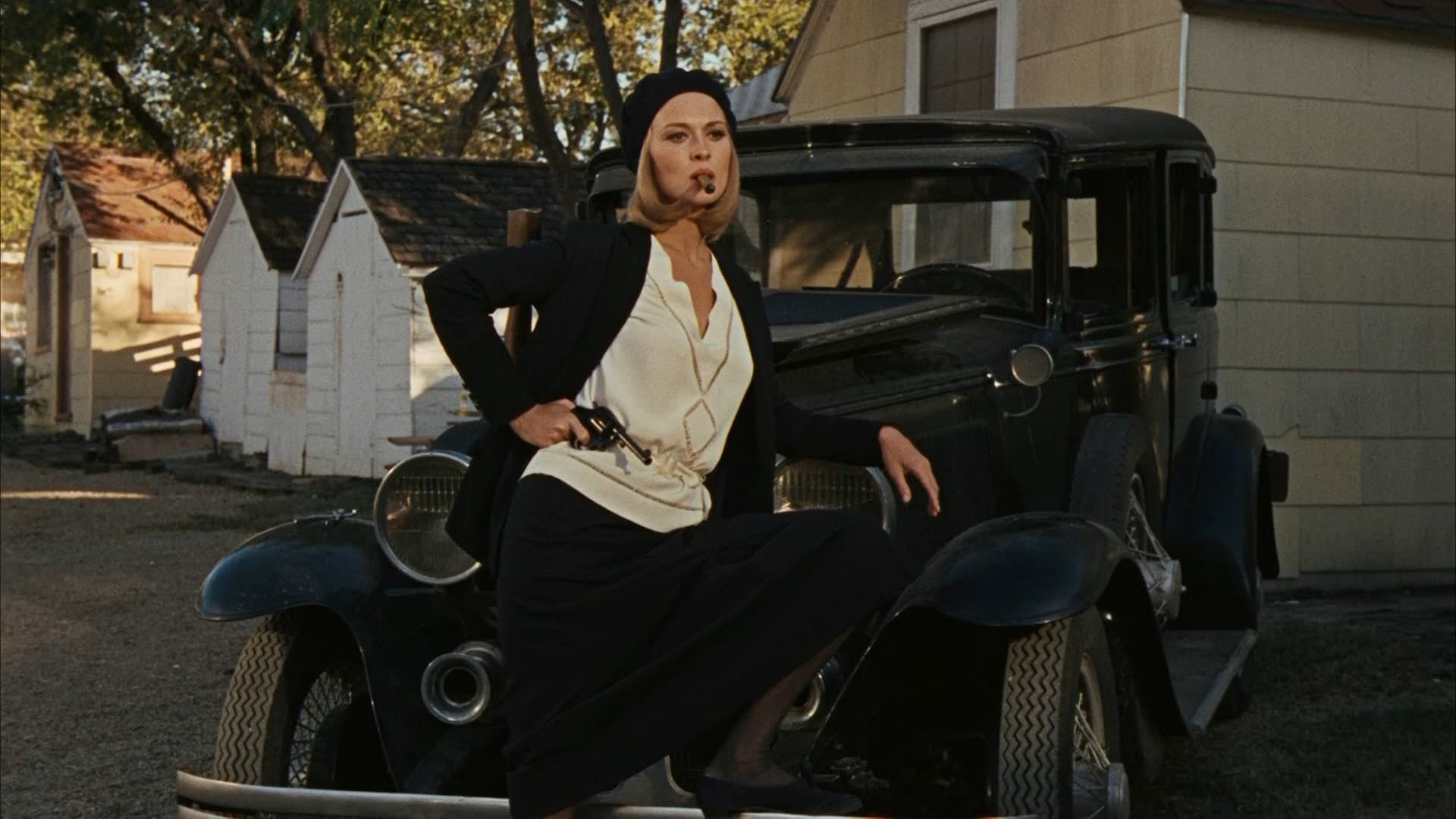
59 Years Ago: The Crime Film That Broke Violence Rules
Discover how this 1966 crime classic premiered in NYC and shattered Hollywood's censorship on violence - transforming cinema forever.
Discover how this 1966 crime classic premiered in NYC and shattered Hollywood's censorship on violence - transforming cinema forever.
Back on this very day in 1967, a movie hit New York screens and, depending on who you ask, either saved the crime genre or threw a Molotov cocktail into the middle of Hollywood’s stuffy rulebook. It wasn’t your grandpa’s gangster picture. It was loud, messy, and gloriously unapologetic about its bloodshed - so much so that it practically dared the censors to look away. And honestly? They couldn’t.
The film in question rewrote what audiences expected from a trip to the cinema. Before its arrival, violence in American movies was mostly a suggestion - a scuffle, a shadowy silhouette, a conveniently placed puff of smoke. But this picture decided that on-screen brutality wasn’t going to be some polite metaphor anymore. It was going to be raw, in-your-face, and unsettlingly stylish. Critics at the time didn’t quite know whether to applaud its audacity or hide behind their popcorn buckets. They did a little of both.
A Shot Heard Around the Censorship Office
Back in the mid-’60s, the old studio-era rules were crumbling. The once ironclad Production Code, which had governed Hollywood for decades, was looking more like a dinosaur every day. Yet, true change wasn’t coming from the boardrooms in LA - it was sneaking in through art-house theaters and foreign imports. But on this particular August day, an American film took a big, messy swing at the status quo right in the heart of Manhattan.
The crime drama’s violence wasn’t just frequent; it was choreographed like a dance number. Gunshots were sudden, messy, and shockingly loud. Deaths weren’t noble; they were awkward, chaotic, and sometimes almost accidental. That was the point. The filmmakers weren’t out to glorify gangsters - they wanted to strip away the glamour that had clung to the genre for decades. And in doing so, they made something that felt dangerously fresh.
Why It Still Echoes Today
What makes this anniversary worth celebrating isn’t just the blood splatter. It’s the way the film shifted the conversation. Studios looked at the buzz, saw the long lines outside the theater, and realized that the old "don’t show anything" days were gone for good. Within a few short years, the rating system we know today was born, and this picture is often cited as the last great argument for why it was necessary. It didn’t just break the rules; it made the old rulebook feel embarrassing.
The film’s tone was also a masterclass in subversive cool. It had this jazzy, off-kilter rhythm, where slapstick comedy would suddenly turn into a brutal shootout without missing a beat. That tonal whiplash was a revelation. You couldn’t sit back and relax. Every scene felt like it could spin out of control. That nervous energy is exactly what modern audiences still chase in prestige crime shows - the sense that anything, no matter how ugly, could happen next.
A Legacy of Grit and Shocks
Pop culture owes this movie a serious debt. Without its willingness to push the envelope, it’s hard to imagine the gritty anti-heroes of the ’70s or the hyper-stylized violence of later decades looking quite the same. It taught a generation of directors that audiences could handle the messy reality of crime, not just the sanitized version. It also showed that you could be both critically adored and commercially successful without having to soften your edges for the censors.
Still, watching it today is a strange experience. The violence, while groundbreaking, feels almost quaint compared to modern blockbusters. But that’s precisely what makes it so fascinating. You can see the exact moment where Hollywood stopped winking at the audience and started shoving them into the gutter. It’s a pivotal chapter in cinema history that happened to arrive wrapped in trench coats, fedoras, and a whole lot of gunpowder.
So, fifty-nine years later, we raise a glass to the movie that made Hollywood sit up, pay attention, and finally admit that crime on screen could be as dangerous as it was entertaining. It didn’t just premiere in New York - it announced a whole new era. And some of us are still feeling the aftershocks every time a modern thriller lets a bullet fly without flinching.
Source: SlashFilm