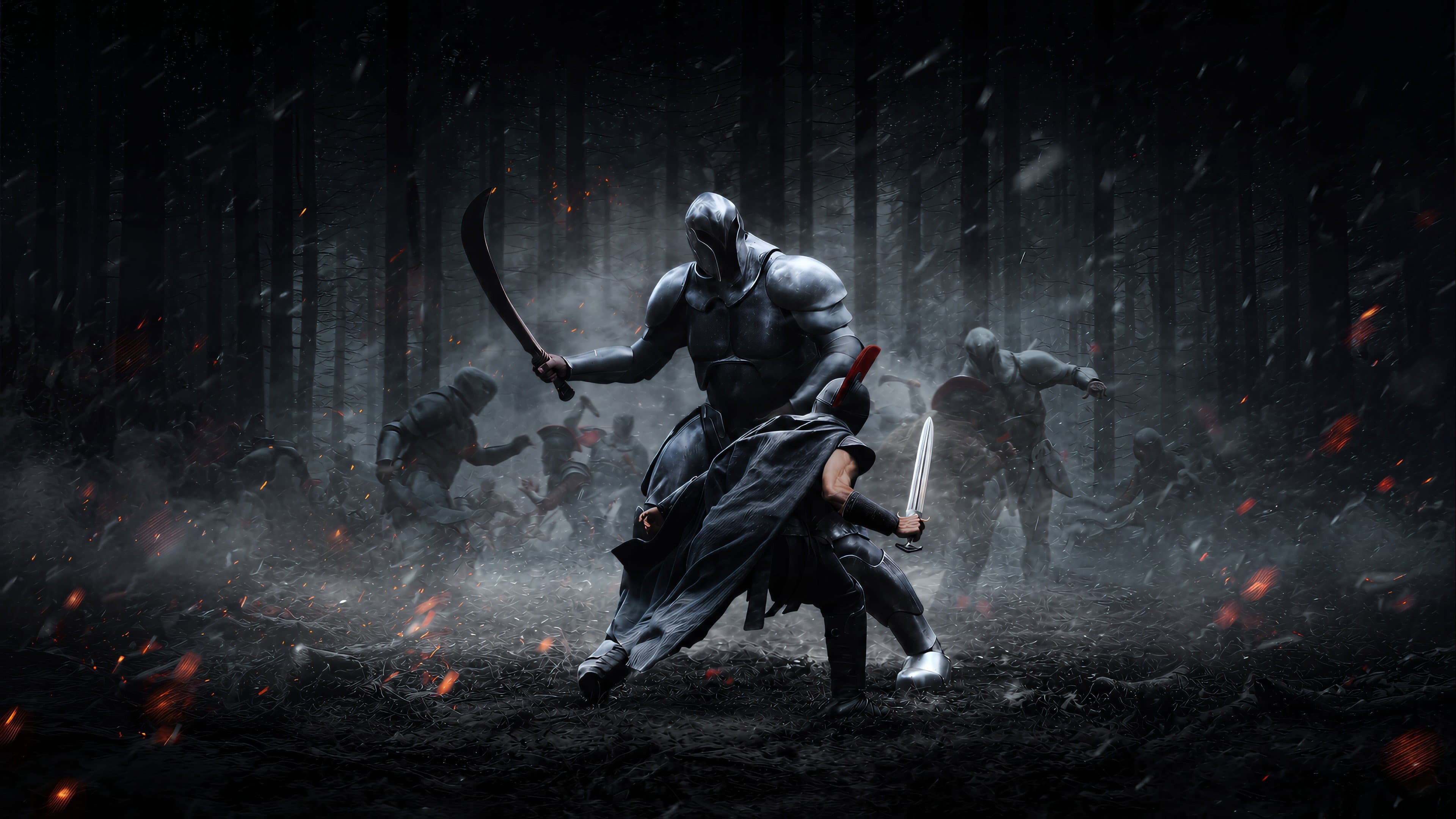
Greek Poem & Masked Man Save Hollywood Summer
Discover how a Greek epic and a masked hero rescued Hollywood's blockbuster season with surprise hits, buzz, and box-office magic.
Discover how a Greek epic and a masked hero rescued Hollywood's blockbuster season with surprise hits, buzz, and box-office magic.
The summer box office was looking like a ghost town, and then two very unlikely saviors rode in - one carrying a lyre, the other snapping a whip. While most studios were sweating over sequels and superhero fatigue, audiences decided they were starved for something ancient and something masked, and together they pulled the season back from the brink. It’s the kind of plot twist Hollywood loves to write for itself, except this time the heroes weren’t caped crusaders or animated critters. They were a seventh-century Greek poet and a silent, vengeful outlaw.
Let’s be clear about who we’re talking about. The first half of the summer looked rough, with a string of expensive misfires that left theater owners checking their popcorn inventories and wondering if the streaming bubble had finally burst. Then came the oddest double feature of the year: a lavish, brooding adaptation of Homer’s The Odyssey and a gritty, dialogue-free action thriller about a loner in a hand-stitched leather mask. And somehow, both turned into cultural events rather than just movies. People weren’t just buying tickets - they were dressing up, starting heated online debates, and dragging their friends back for second viewings. The Greek epic gave everyone permission to be pretentious and love it, while the masked man gave everyone permission to just sit back and watch chaos unfold without a single witty quip.
The Odyssey project was always going to be a gamble. Retelling a poem that’s roughly 2,700 years old requires more than just good casting and pretty CGI - it needs a director brave enough to make a three-hour sea voyage feel intimate and ferocious at the same time. And yet, what could have been a dusty museum piece became the most talked-about spectacle of July. Audiences who’d never cracked a classical text found themselves mesmerized by the visual storytelling, the thunderous score, and a lead performance that turned Odysseus from a distant legend into a guy you could actually root for and sometimes want to smack. The film’s success wasn’t just about nostalgia for high school English class; it was about a modern craving for huge, sincere stakes that don’t involve a multiverse.
On the other side of the aisle, the masked man was the complete opposite vibe. No grand speeches, no romantic subplot, no slow-motion walking away from explosions with a cool one-liner. Just sheer, brutal efficiency. He didn’t have a Greek chorus; he had a rusty knife and a clear moral code. The movie leaned into its silence as a feature, not a gimmick, letting every thud and creak do the talking. It was a bold choice that could have backfired spectacularly, but instead it became a word-of-mouth phenomenon. Audiences started going in costume, and social media turned into a playground of fan theories about who was under the mask and where his story went next. The irony? The movie with almost no dialogue generated more conversation than anything else all summer.
But here’s the real magic of the season: these two films weren’t competing with each other - they were quietly feeding each other. Weekend after weekend, the same cinephiles who wanted intellectual prestige in the morning were buying tickets for pure pulp in the evening. The Greek poem gave the action fans an excuse to feel cultured, and the man in the mask gave the drama crowd permission to just have fun. Studio executives who spent months panicking about original IP finally realized that audiences weren’t rejecting new ideas. They were rejecting boring ones. Both films proved that fresh stories can dominate if you commit to them fully and trust your audience to keep up.
Of course, it wasn’t all smooth sailing. The blockbuster summer schedule remains a brutal game of Tetris, and plenty of other releases got crushed in the wake of these two juggernauts. Smaller indie films reported their worst weekends in years, and the usual mid-tier action fare that usually survives August had to scramble for whatever screens remained. But that collateral damage only cemented the narrative: this was the summer of the epic and the enigma, and everything else was just speed bumps. Even the late-season comedy tentpole, which had been heavily hyped, couldn’t find its footing against the relentless word-of-mouth buzz.
So what does Hollywood take away from this? For one, audiences are way more adventurous than the data suggests. They’ll embrace a three-hour poem about a man trying to get home if you give them a reason to care. They’ll cheer for a mask that never reveals a face if you make the action feel real and dangerous. Maybe the real lesson is that summer movies don’t need to be safe - they need to be bold. Both films took massive creative swings, and both connected because they were unapologetically themselves. One was all art, the other all instinct, and together they reminded audiences why going to the movies can still feel like an event.
As the credits roll on this wild season, industry insiders are already scrambling to greenlight every half-finished Greek myth script in a drawer and dusting off any screenplay featuring a character with a mysterious cover-up. Imitation is inevitable, but the true stars of this summer were originality and nerve. The poet and the stranger didn’t just save the box office - they gave Hollywood a much-needed lesson in taking risks when the chips are down. Here’s hoping the fall slate learns from them, because riding high on a Homeric epic and a guy who grunts through his action scenes is a tough act to follow. But for now, let’s just enjoy the fact that a 3,000-year-old story and a man with no name out-drew all the corporate IP the system could throw at us. That’s a plot twist nobody saw coming, and honestly, it’s the best one all year.
Source: EL PAÍS English