160×600
Left Ad
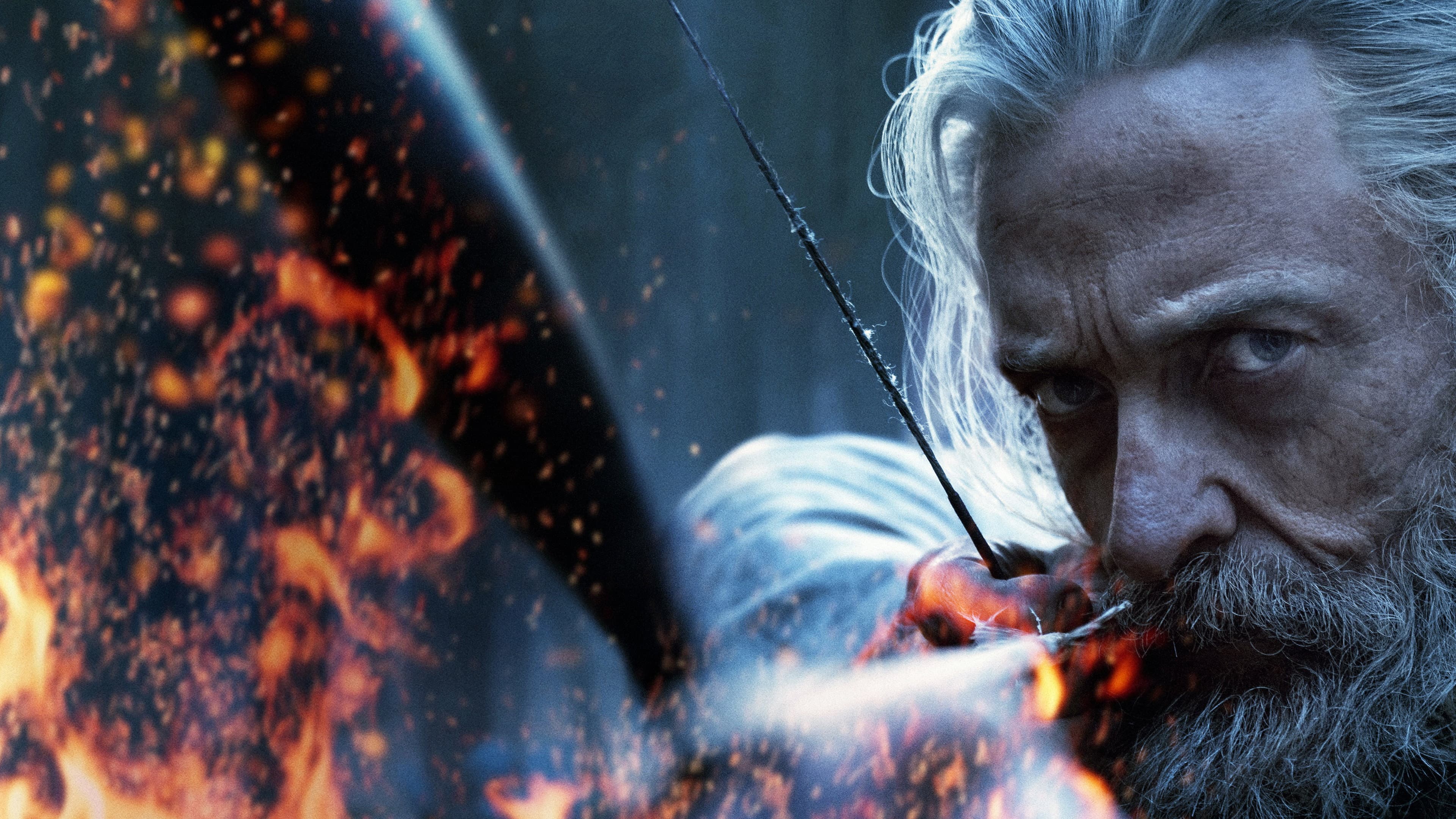
The Death of Robin Hood Review: A Bleak Take on the Legend
Our review of The Death of Robin Hood explores its gritty reimagining of the outlaw's final days. Does it hit the mark? Find out.
Director
Michael Sarnoski
Language
EN
Release
2026-06-18
Runtime
123 min
Quick Verdict
Bold, bloody, and deliberately slow-burn, The Death of Robin Hood won’t be everyone’s idea of a fun night at the multiplex. It’s a meditation on mortality dressed in mud and medieval grit, buoyed by stunning performances (especially Jodie Comer) and Sarnoski’s signature ability to find the human pulse inside genre tropes. If you want a Robin Hood who steals from the rich and quips about it, look elsewhere. If you want a man screaming into the void as his body fails him - this is your movie.
Story
The premise is brutally simple: Robin Hood (Jackman) is old, tired, and rattled by a lifetime of “robbing the rich” that he now admits was a cover for a lot of murder. After one final skirmish - a battle he intended to be his last - he’s left grievously wounded, crawling through the underbrush of a forest that no longer feels like home. He’s found by Sister Brigid (Jodie Comer), a quiet, enigmatic woman tending to lepers and outcasts in a nearby chapel. She offers him shelter, medical attention, and something he hasn’t had in decades: a chance to confess his sins and maybe, just maybe, die clean.
But the past doesn’t let go easily. Little John (Bill Skarsgård, all brooding intensity) tracks Robin down, not with a warm mug of ale but with a bleeding wound and a grudge. There’s a tense reunion with a younger man named Arthur (Noah Jupe) who may or may not be Robin’s forgotten son. And The Leper (a terrifyingly effective Murray Bartlett) lurks on the fringes, representing the decay that awaits everyone who can’t outrun their own story. The film is less about heroic deeds and more about the agonizing wait for a final verdict.
Review
Sarnoski pulls off something tricky: he makes a 123-minute movie where most of the “action” is internal. There are bursts of violence - brief, brutal, and ugly - but the real tension comes from watching Jackman’s Robin struggle with basic human tasks: drinking water, standing up, forgiving himself. Jackman, all haggard cheekbones and haunted eyes, delivers his most physically demanding performance since Logan, but here the pain is existential as much as corporeal.
Jodie Comer is the film’s secret weapon. As Sister Brigid, she underplays every scene, letting silences do the heavy lifting. Her faith isn’t preachy; it’s a quiet, stubborn presence that forces Robin to confront his own lack of belief - in God, in himself, in the point of it all. Their conversations, often lit by a single candle or the grey English rain, have the weight of a last confession.
The supporting cast is uniformly excellent. Bill Skarsgård’s Little John isn’t the jovial giant of legend but a grieving man who loved Robin more than Robin could ever love back. Murray Bartlett, as The Leper, gets maybe one extended scene, but he makes it unforgettable - a monologue about how rot is just another kind of transformation that feels like a sermon from a very dark pulpit.
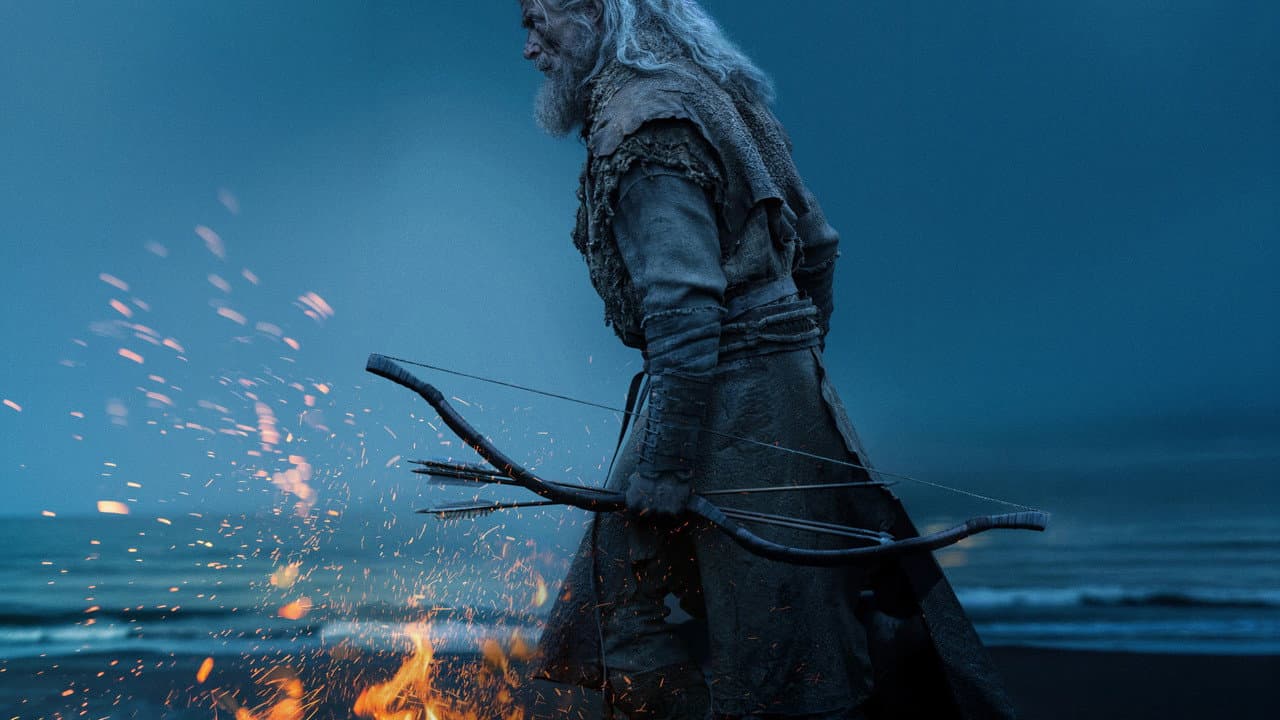
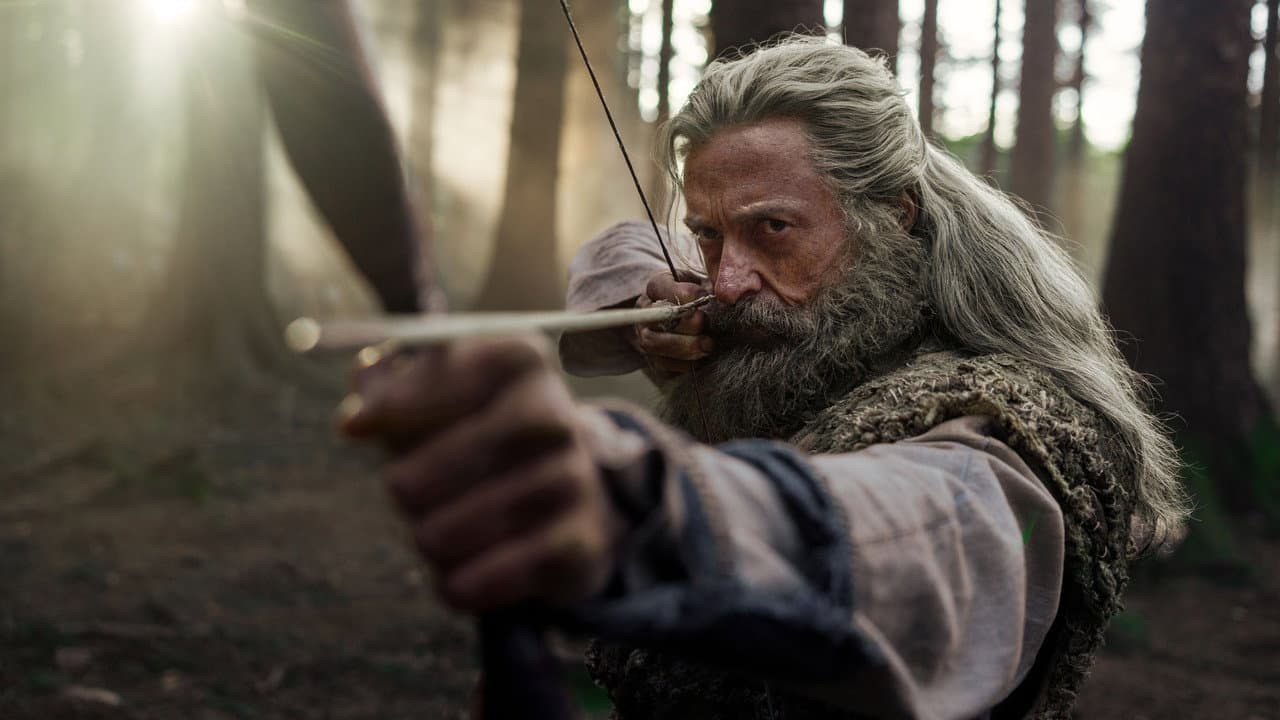
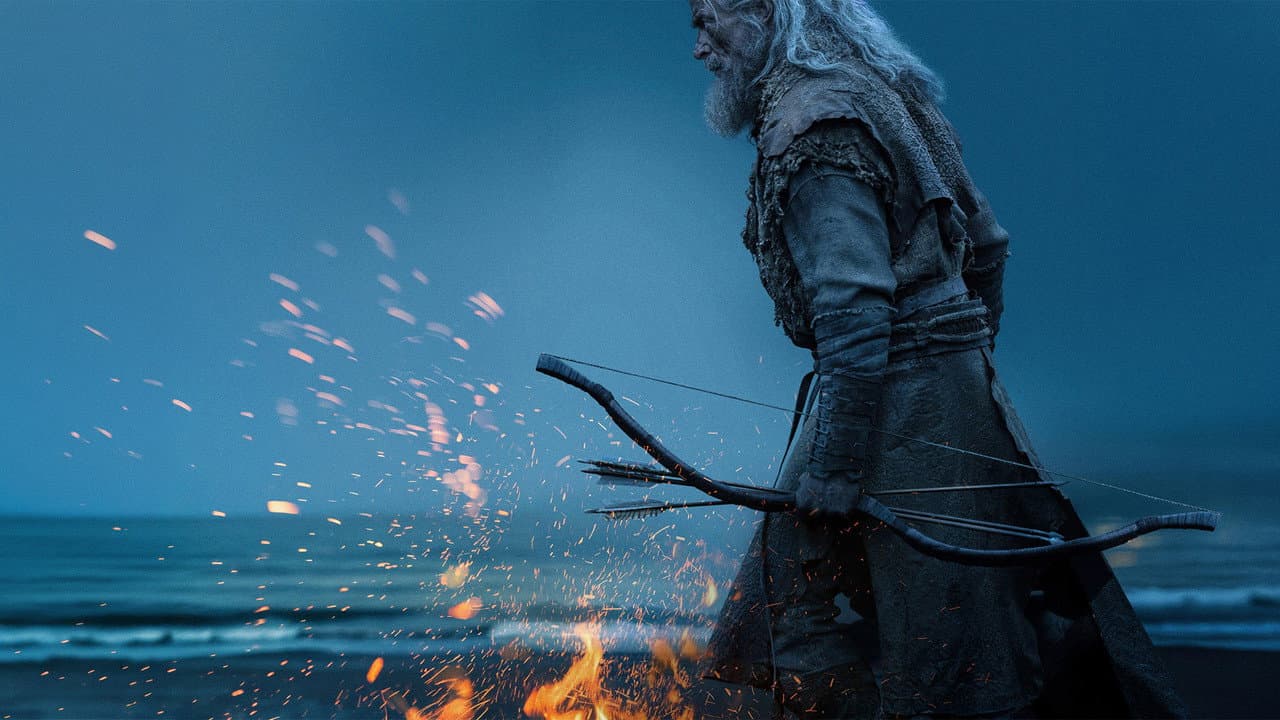
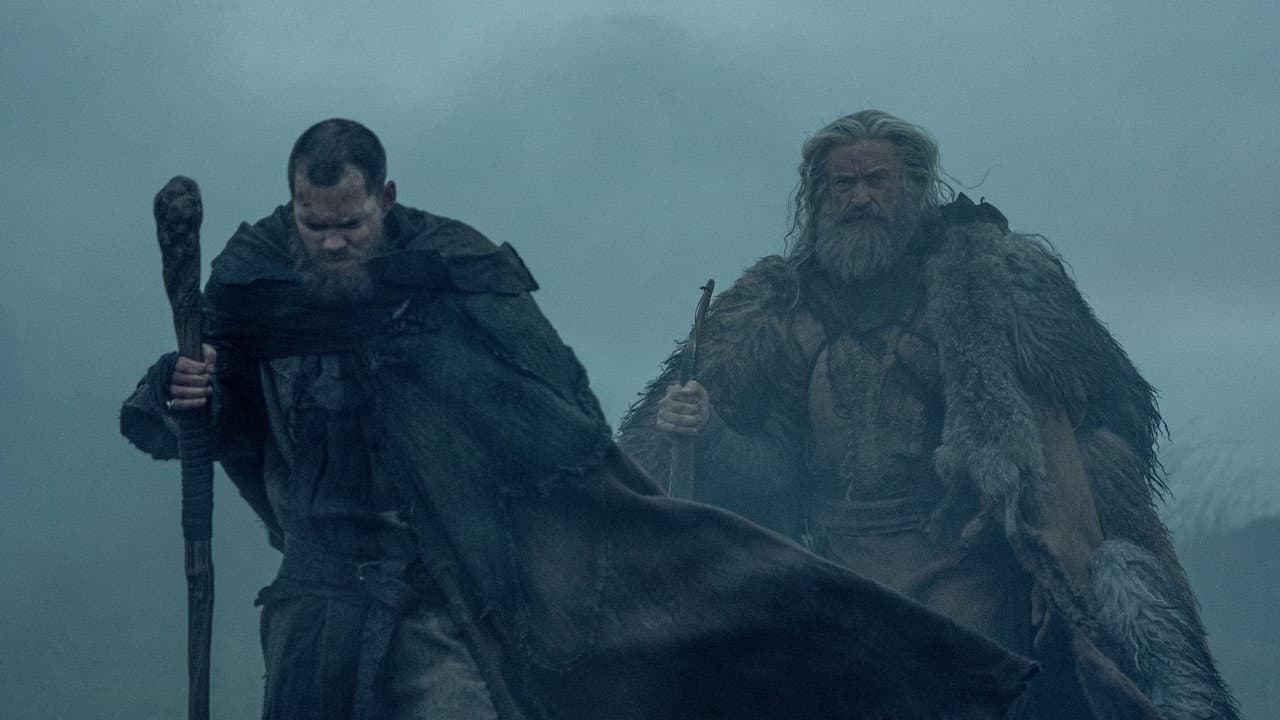
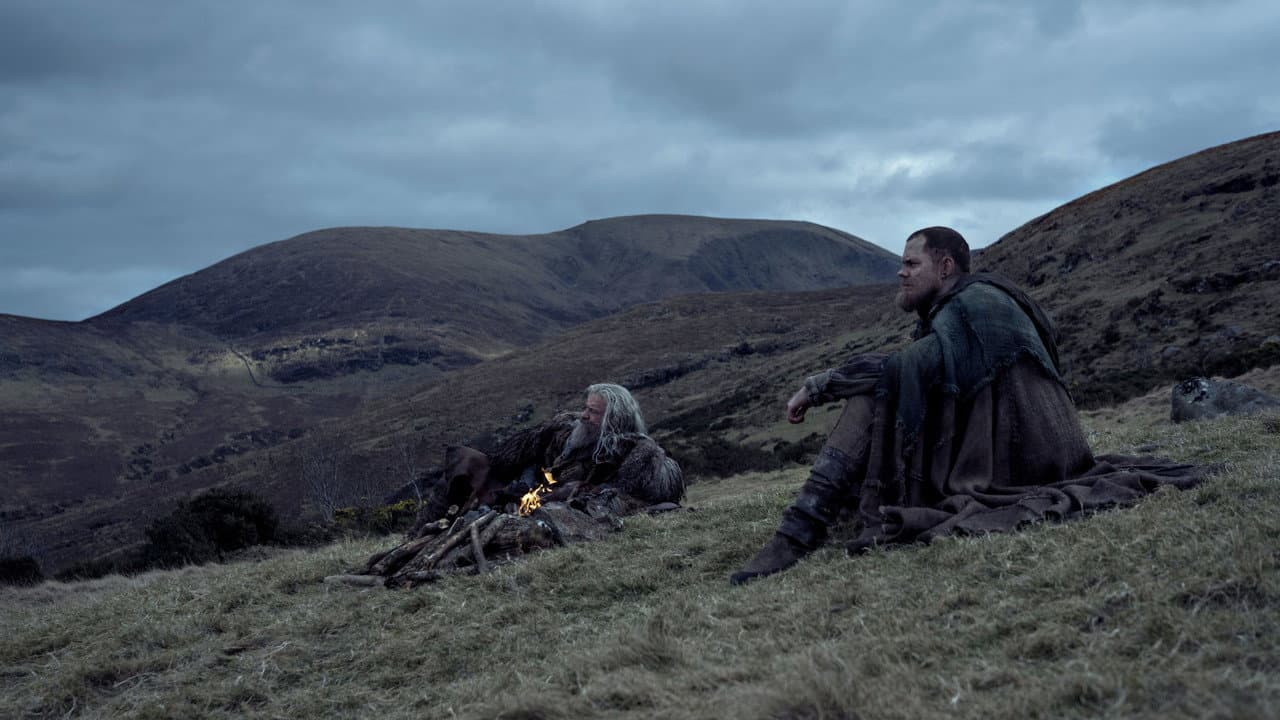
Visually, Sarnoski and cinematographer Pat Scola shoot the forest not as a lush, green sanctuary but as a claustrophobic maze of mud, thorns, and dim light. The palette is browns and greys, punctuated by shocking reds when violence occurs. The score, a sparse mix of strings and drone, amplifies the sense of a life slowly clicking toward its final note.
That said, The Death of Robin Hood is deliberately slow. The pacing will test viewers expecting a traditional adventure. There are long stretches of near-silence, extended close-ups of Jackman’s face as he processes pain. It’s more arthouse than blockbuster, and some may find it ponderous. The ending, too, is ambiguous - resonant but not tidy.
Pros & Cons
Pros
- Hugh Jackman gives a career-best physical and emotional performance.
- Jodie Comer is a magnetic, understated foil.
- Sarnoski’s direction treats the material like serious drama, not a costume party.
- William Skarsgård and Murray Bartlett turn small roles into major highlights.
- The visual aesthetic is gritty and immersive.
- Thematically rich: grapples with guilt, redemption, and the cost of violence.
Cons
- Pacing will feel glacial to action fans.
- Minimal traditional “Robin Hood” swashbuckling; don’t expect archery tournaments.
- The ending is deliberately ambiguous - some will find it unsatisfying.
- Some supporting characters (Noah Jupe’s Arthur) feel underdeveloped.
- A few tonal shifts (a dream sequence involving a dancing deer) feel out of place.
Rating Breakdown
Final Verdict
The Death of Robin Hood is not the movie the legend’s marketing might suggest. It’s a somber, meditative character study that asks whether a life of noble crime can ever be truly absolved. Jackman and Comer ground the film in palpable human pain, and Sarnoski’s restraint keeps the story from tipping into melodrama. It won’t be for everyone - especially if you came for the arrows - but for those willing to sit with its slow, mournful rhythm, it offers a surprising grace. A flawed, fascinating, and deeply felt revisionist tale.
Cast
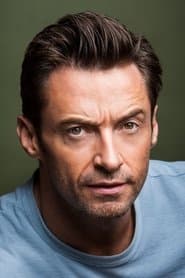
Hugh Jackman
Robin Hood

Jodie Comer
Sister Brigid
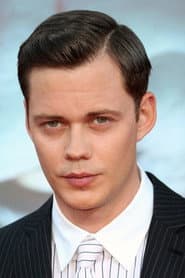
Bill Skarsgård
Little John
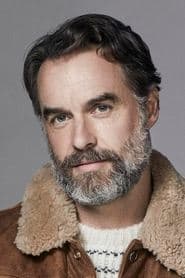
Murray Bartlett
The Leper
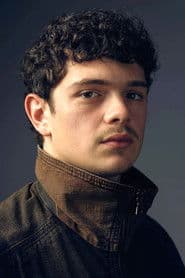
Noah Jupe
Arthur / Godwyn

Jade Croot
Wainwright

Faith Delaney
Little Margaret

Tabitha Smyth
Sarah
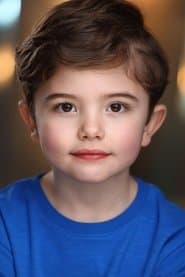
Beau Thompson
Hob
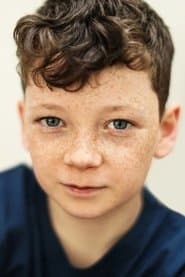
Alfie Lawless
Hendrie
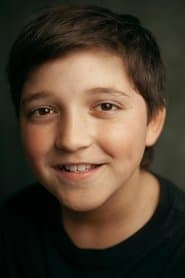
Asher de Silva
Moshe

Elijah Ungvary
Hairy Kinsman
Gallery
Similar Movies

Related Reviews

160×600
Right Ad