The 1927 Film That Ended Hollywood’s Silent Era
Discover how one 1927 movie changed cinema forever, silenced the stars, and launched the talkie revolution that reshaped Hollywood.
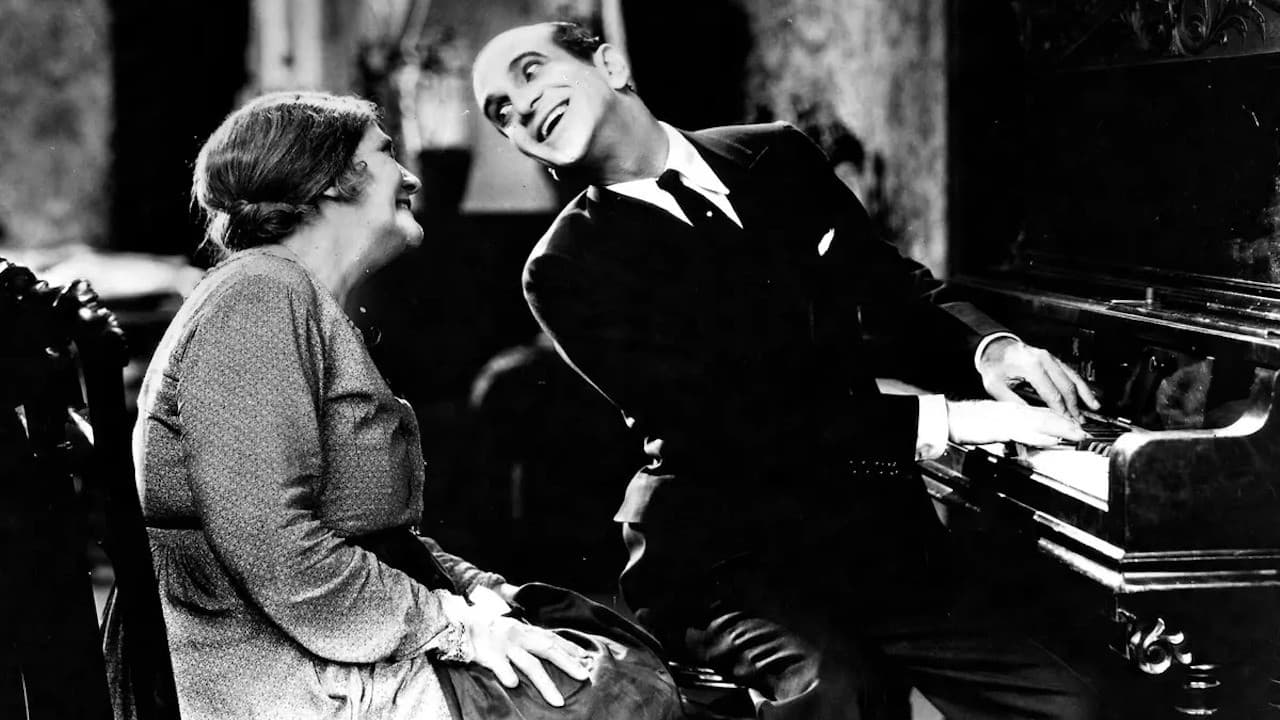
The Jazz Singer doesn’t just occupy a hallowed spot in movie history - it’s the earthquake that split cinema into “before” and “after.” When it hit theaters in October 1927, audiences didn’t just watch a story unfold; they heard it. Al Jolson’s ad-libbed line, “You ain’t heard nothin’ yet,” became the accidental battle cry for a revolution that would render an entire art form obsolete in just a few short years. But here’s the thing about that famous night: almost nobody in the room knew they were witnessing the funeral of silent film.
The Warner Bros. production wasn’t even a full talkie by modern standards. It was what Hollywood called a “part-talkie” - a hybrid where most of the drama played out in traditional silence, punctuated by musical numbers and a few bursts of spoken dialogue. Jolson, already the biggest star on Broadway, broke the fourth wall so casually that it felt less like a technical gimmick and more like a guy letting you in on a secret. That looseness, that sheer novelty of sound, sent shockwaves through every studio lot from Culver City to the San Fernando Valley.
At the time, though, Warner Bros. was the underdog - the studio that other executives laughed at for blowing millions on experimental Vitaphone equipment that paired 33⅓ rpm records with film projectors. They weren’t trying to kill silents. They were trying to survive. The company was on the ropes financially, and sound was their Hail Mary. That desperate gamble paid off so spectacularly that within two years, the industry had effectively flipped upside down.
Here’s the brutal irony: The Jazz Singer’s success didn’t just change technology. It changed people. And not in a feel-good way. Hundreds of silent-era actors suddenly found themselves unemployable. Some had voices that didn’t match their screen personas - imagine the leading man with the deep, masculine jawline opening his mouth to reveal a nasal squeak. Others simply couldn’t adapt to the new rhythm of speech. Big names like John Gilbert allegedly tanked because audiences laughed at his vocal delivery, while a handful of silent icons, like Clara Bow, survived by reinventing their entire on-screen identity.
The technicians suffered too. Orchestra leaders who scored films in theaters, title card writers, and the legions of musicians who made every showing feel alive were suddenly out of work. The movie business had talked a big game about progress, but progress meant a lot of pink slips.
What’s wilder is how fast the transition happened. For a decade, silents had been the pinnacle of sophistication - the art form that made the world feel smaller and more glamorous. Then, practically overnight, they became nostalgia. By 1929, nearly every major studio was shooting dialogue-heavy pictures, and the silent era - which had lasted more than thirty years - collapsed with almost no eulogy.
But let’s not pretend The Jazz Singer was a masterpiece by today’s standards. It’s corny, dated, and laced with blackface sequences that are uncomfortable to sit through now. The plot is a tired old warhorse about a cantor’s son torn between religious tradition and his showbiz dreams. And yet, none of that matters, because the film isn’t really about its story. It’s about the moment when the human voice became part of the moviegoing experience. That single shift rewired how stories were told: dialogue replaced intertitles, pacing changed, and actors had to learn a whole new craft.
There’s also a tragic footnote to the story that rarely gets mentioned. Jolson’s success at Warner Bros. inspired rival studios to invest heavily in sound, but they made their own mistakes in the rush. The frenzied scramble produced some genuinely clumsy early talkies - movies where actors stood perfectly still because they were afraid to move away from the hidden microphones. Cinematography took a step backward before it could leap forward. Cameras got locked in soundproof booths, and all that glorious fluid movement of late-silent-era filmmaking temporarily vanished. In other words, the revolution wasn’t clean. It was messy, chaotic, and full of creative casualties.
So why does The Jazz Singer still matter almost a century later? Because it’s the perfect case study in how entertainment industries evolve. The public didn’t demand sound. No one was sitting in 1926 thinking, “Gee, I wish these talented actors would just talk.” It was a technology looking for a reason to exist, and it found one because a struggling studio was willing to take a big swing. That’s the same dynamic that drove color, widescreen, and eventually streaming - a mix of desperation, curiosity, and the relentless hunger for novelty.
If you ever want to feel the visceral shock of that transition, track down a screening of The Jazz Singer with a live orchestra or a good restoration. The silence of the early scenes feels heavy, almost oppressive. Then Jolson starts to sing, and the film practically glows with new energy. You can feel the future pushing its way out of the past. It’s not a great movie, but it is a great moment - the exact second Hollywood blinked, saw where it was standing, and decided to walk into a brand-new world.
Source: No Film School