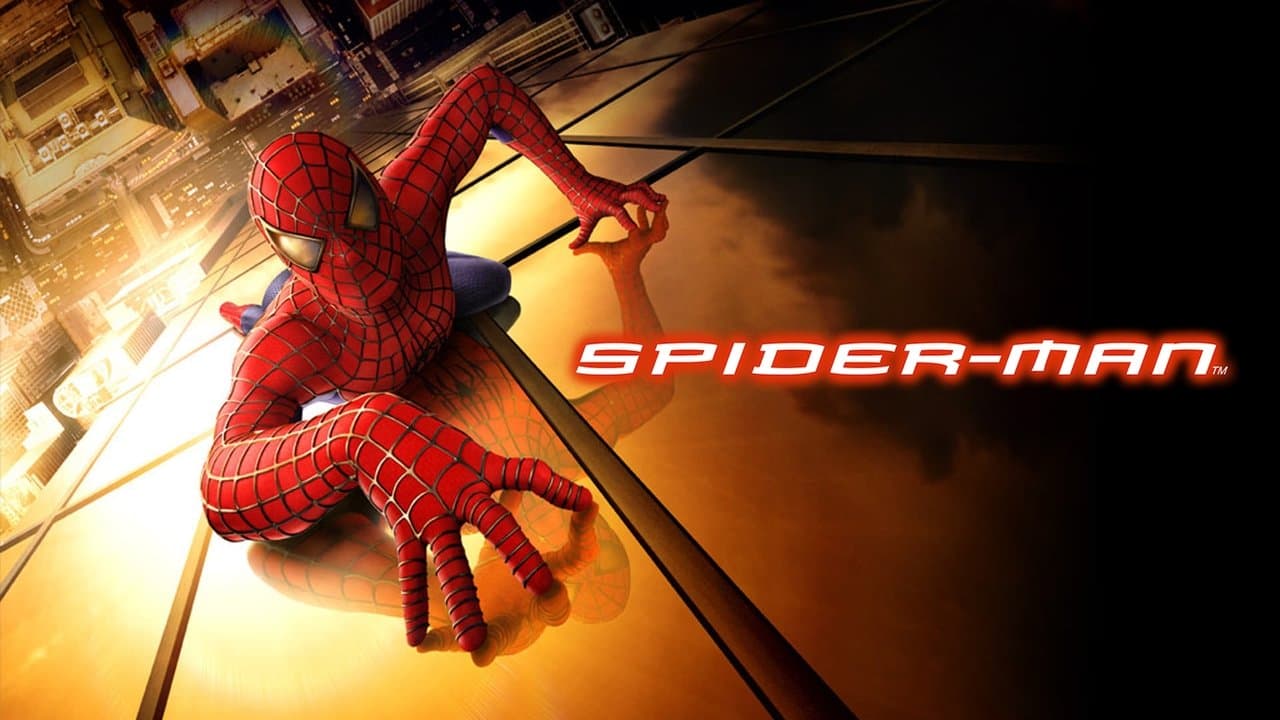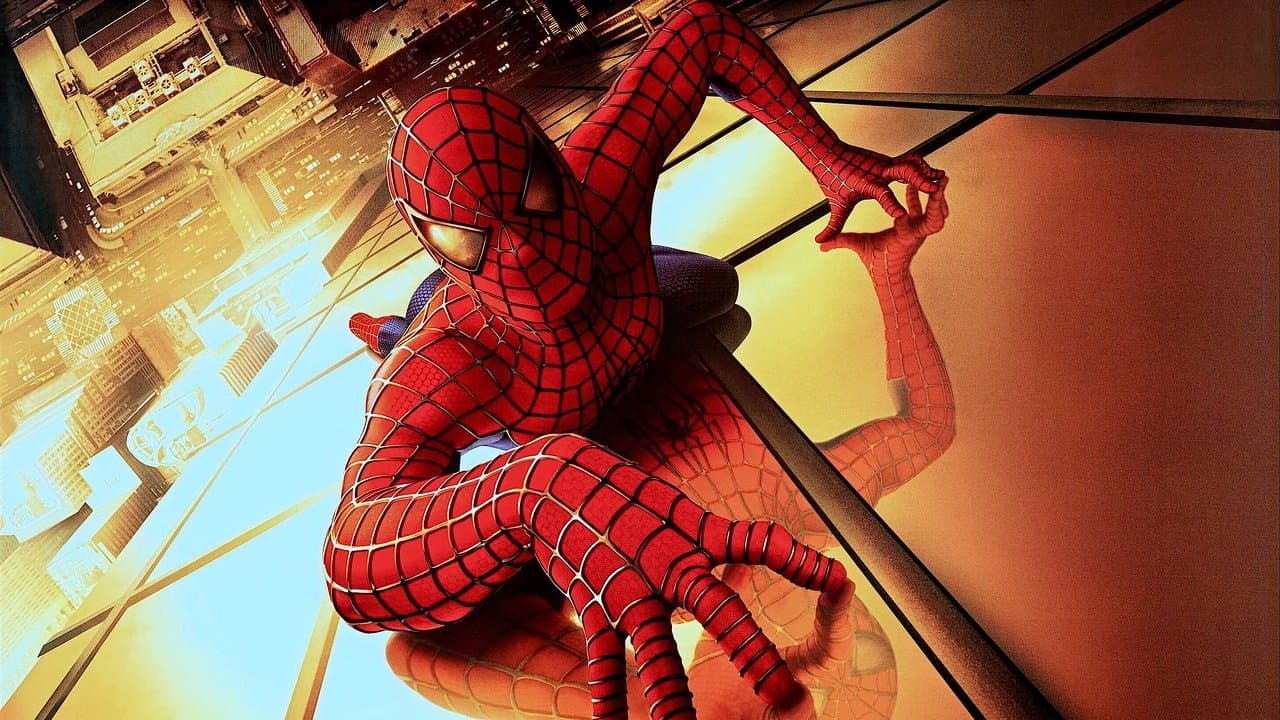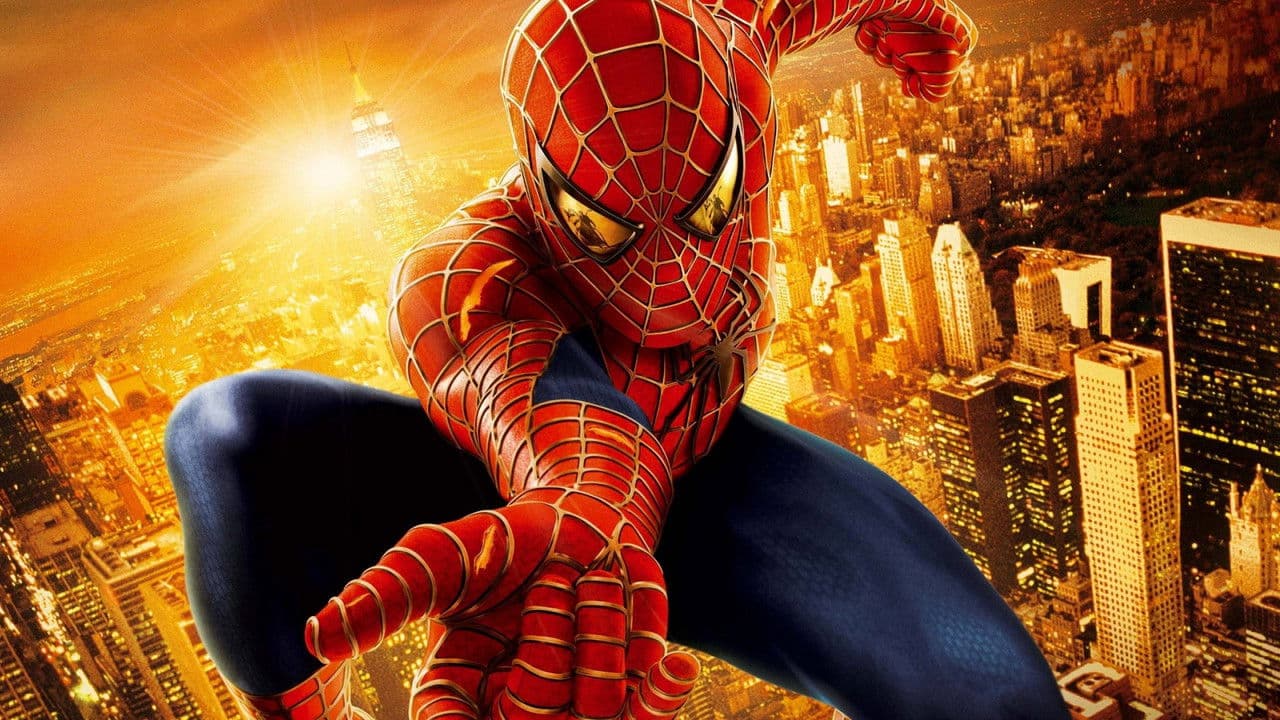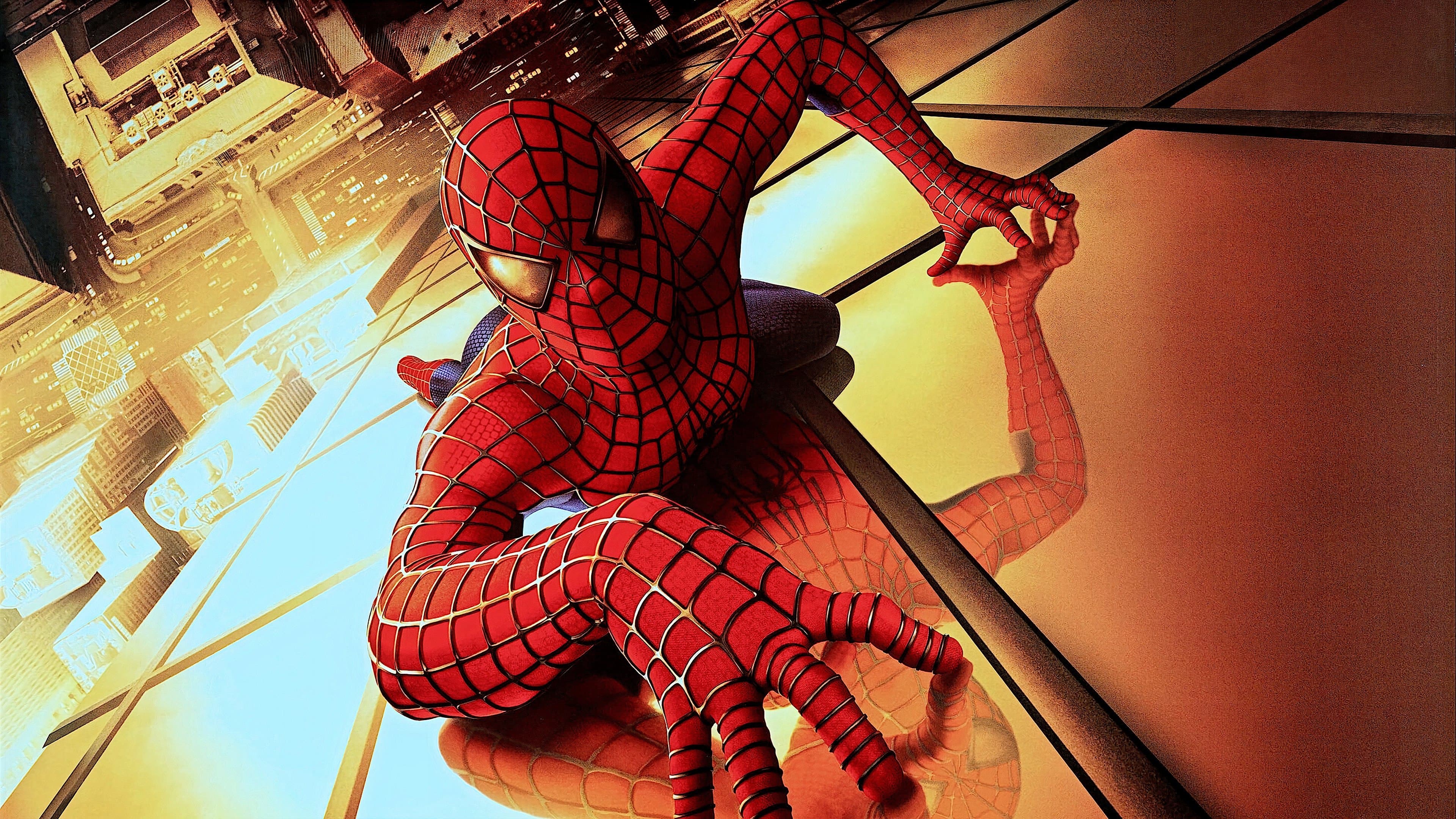
Spider-Man: Hollywood's Last Unspoiled Blockbuster?
Director
Sam Raimi
Language
EN
Release
2002-05-01
Runtime
121 min
Discover why Spider-Man remains the sole blockbuster franchise Hollywood hasn't ruined. A deep dive into its enduring success.
Okay, let's talk about the elephant in the theater - Hollywood has a bad habit of taking beloved franchises and, well, fumbling them. Sequels that should never have been greenlit, reboots that miss the point, and extended universes that collapse under their own weight. But somehow, through three different lead actors, a dozen films, and enough timeline-jumping to give a physicist a headache, Spider-Man has remained the one last big-budget franchise the industry hasn’t managed to wreck.
It’s a remarkable thing, especially when you look back at where it all started. On May 1, 2002, a nerdy-but-endearing high schooler named Peter Parker got bitten by a genetically altered spider at Oscorp, and the rest is box-office history. Sam Raimi’s Spider-Man wasn’t just a hit - it was a cultural event that proved audiences weren’t just ready for a serious superhero movie; they were hungry for one with heart, humor, and just a little bit of cheese.
The Maguire Era: A Blueprint for Superhero Films
Raimi’s original 121-minute film is a masterclass in balancing spectacle and sincerity. Tobey Maguire brought a genuine, awkward vulnerability to Peter Parker that made his transformation into Spider-Man feel earned. And let’s not forget the villains - Willem Dafoe’s Green Goblin didn’t just chew scenery; he gnawed it into splinters, delivering a performance that’s still quoted by fans over two decades later. The supporting cast was equally stacked: Kirsten Dunst as Mary Jane Watson brought a grounded romance, James Franco let us see the tragic layers of Harry Osborn, and J.K. Simmons practically stole every scene as the shouty, brilliant J. Jonah Jameson. Even Cliff Robertson’s Ben Parker and Rosemary Harris’s Aunt May gave the film a moral weight that many modern blockbusters skip.
TMDb’s 7.339/10 rating doesn’t tell the whole story. That number undersells how this one movie essentially built the modern superhero blueprint. It took Peter’s origin - the spider bite, the great power, the great responsibility - and turned it into something that felt both epic and personal. The action was thrilling (that Green Goblin fight on the bridge still holds up), but the emotional beats stuck. When Peter lets the thief escape, and that decision leads to Uncle Ben’s death? That’s not just a plot point - it’s a gut punch that defines the entire franchise philosophy.
Why Spider-Man Avoids the Franchise Fatigue Trap
So why has Spider-Man succeeded where other blockbusters have stumbled? It’s not just nostalgia - though that helps. The franchise, despite shifting from Raimi’s trilogy to Marc Webb’s Amazing Spider-Man films and then into the Marvel Cinematic Universe with Tom Holland, has always kept its core identity. Peter Parker is an everyday kid with real problems - school, rent, relationships, guilt - who happens to wear a mask. That relatability is spider-silk strong.
Even when Hollywood tried to reboot the character twice in a short span, the audience never really checked out. Andrew Garfield’s run had its rough patches, sure, but his chemistry and emotional range were widely praised. And Tom Holland’s take, supported by the MCU, brought a youthful energy that felt fresh without betraying the character’s roots. The key? Each iteration respected what came before while finding its own voice. No other long-running superhero property - not Batman, not Superman, not the X-Men - has managed that level of consistent quality through so many reinventions.
Let’s also give credit where it’s due: the villains. Spider-Man’s rogues’ gallery isn’t just cool - they’re deeply personal. Norman Osborn isn’t just a bad guy in a goblin suit; he’s Harry’s father, a twisted reflection of what Peter could become. That tragic mirroring is the franchise’s secret weapon. When Green Goblin screams, “Look at little Goblin Jr., gonna cry?” it works because the conflict isn’t just about punching - it’s about broken relationships.
The Legacy of a 2002 Classic
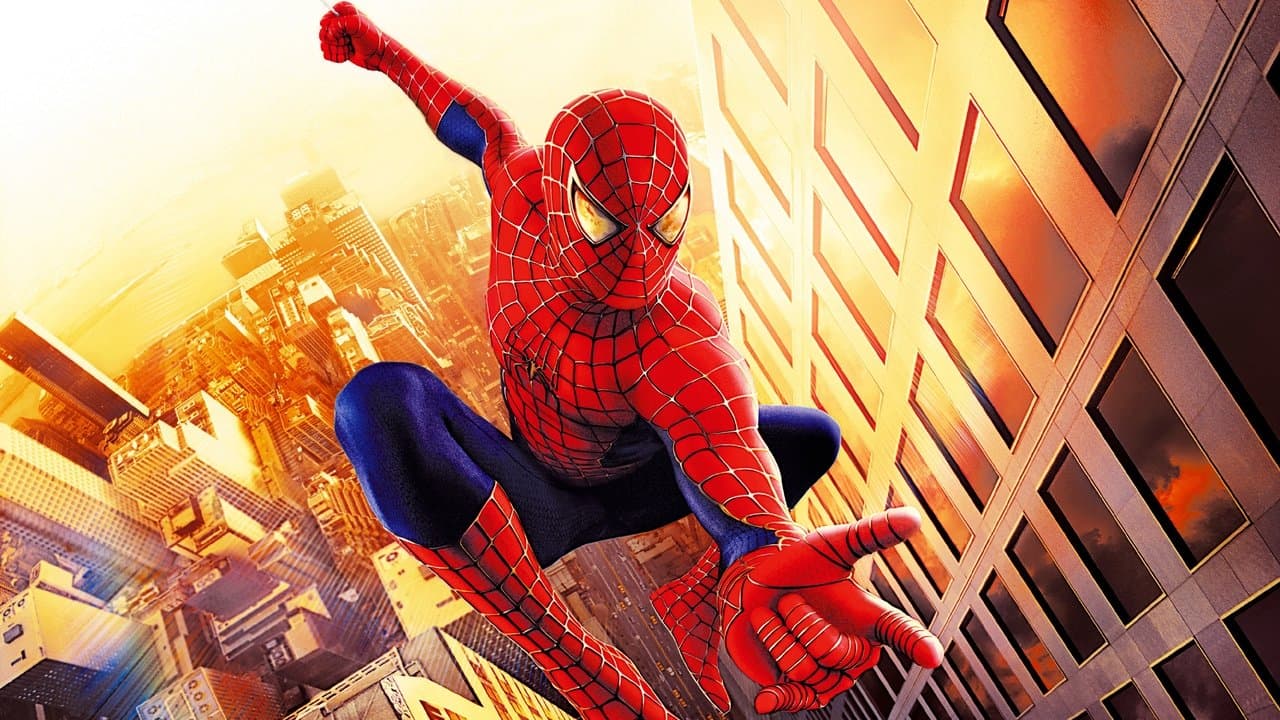
Fast forward to 2026, and Spider-Man is still the safest bet in Hollywood. The 2002 film, with its iconic swinging-through-New-York CGI and Willem Dafoe’s maniacal laugh, remains a touchstone. It proved that a superhero movie could be funny, sad, and thrilling all at once - a formula that countless imitators have tried but rarely mastered. While other billion-dollar franchises get bogged down in murky visual effects, CGI armies, and convoluted multiverse logic, Spider-Man keeps it personal. The green goblin bombs, the web-slinging acrobatics, the “with great power” speech - these aren’t relics. They’re the foundation of a franchise that, against all odds, Hollywood hasn’t yet found a way to ruin.
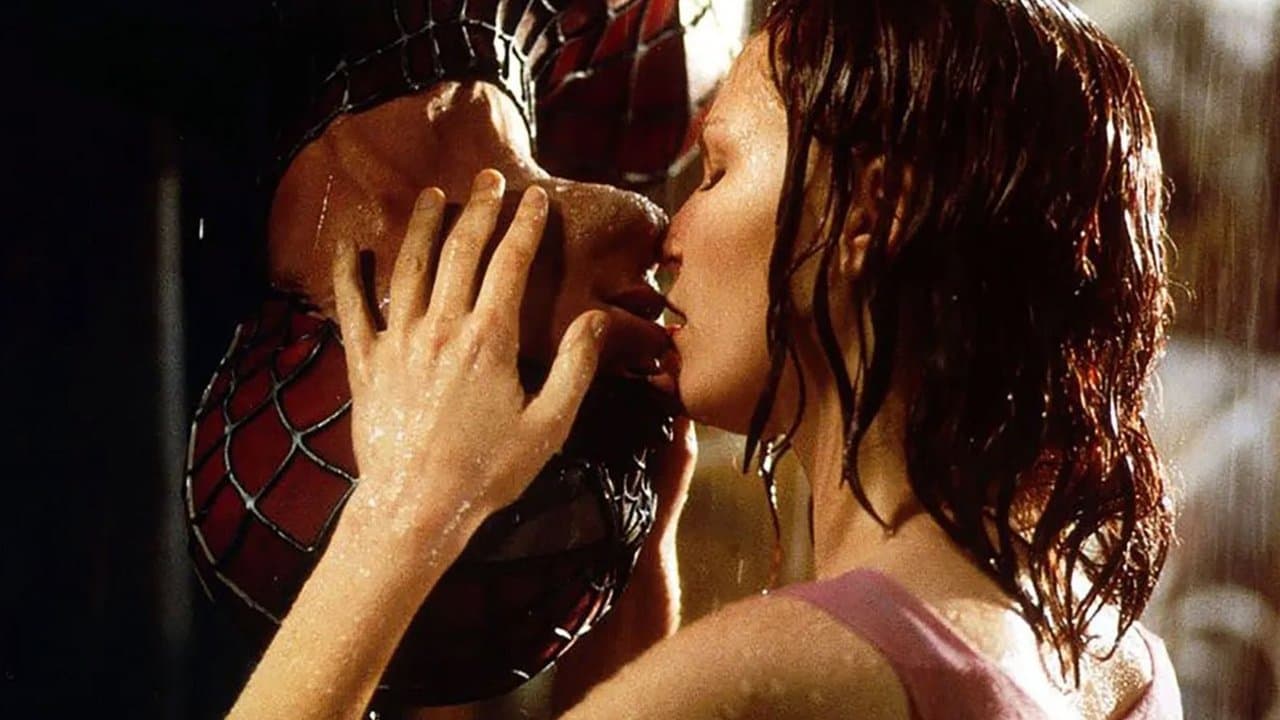
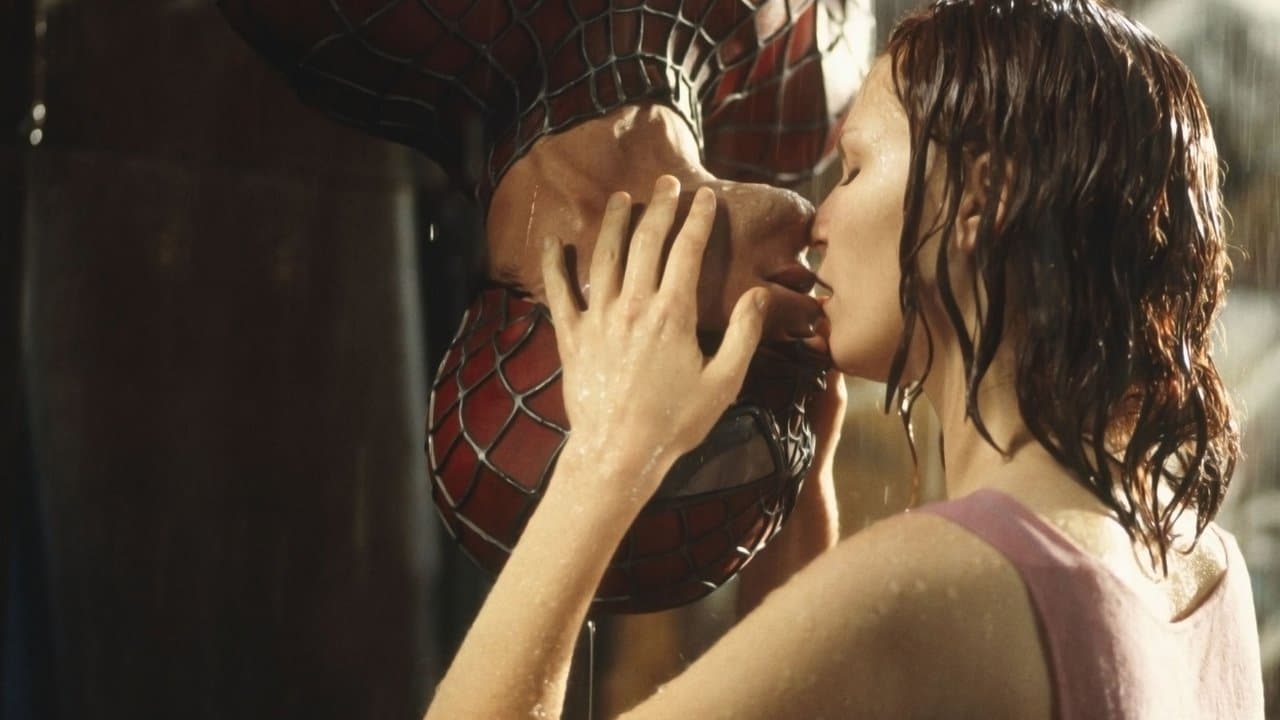
And hey, there’s still a lot of moviegoers out there who remember watching that first film in theaters, their jaws dropped during that upside-down kiss in the rain. That magic isn’t just nostalgia - it’s proof that when you get the character right, you don’t need to reinvent the wheel. You just need to keep spinning the web.
Source: The Hollywood Reporter
Gallery