QUANTRO (2026): Mohan Welstand-Keryk’s Mind-Bending
Photo: TMDb
Okay, MovieBuzzers, let’s talk about something completely different. On a Wednesday that’s probably packed with superhero trailers and franchise announcements, a tiny, two-minute blip on the radar is releasing that might just be the most intriguing thing you see all week. We’re talking about QUANTRO, a film that’s less a movie and more an experiment, a question, and a puzzle box all wrapped in a run time shorter than your average song.
If you’re looking for the next Avengers-level event, you’re in the wrong place. But if you’re a cinephile, a fan of the weird and wonderful, or just someone who loves a good brain teaser, pull up a chair. Here’s your guide to the most cerebral two minutes of your day.
Release Date & Where to Watch
Get this: QUANTRO hits… well, somewhere, today, August 19, 2026. The mystery starts here, folks. We know the release date, but the platform is as much of an enigma as the film itself. Given the runtime and the experimental nature, you’re not going to see this on a massive IMAX screen or marching into your local multiplex between showings of the new Fast & Furious spin-off.
This feels like a project tailor-made for the digital space - think a streaming platform’s shorts program, a dedicated VOD drop, or even an online gallery exhibition. Our best guess? Keep your eyes peeled on the usual indie-friendly platforms, from Vimeo to the short-film categories on Prime Video or Apple TV. Since the cast is a complete unknown, this is a pure word-of-mouth situation. You might have to do a little digging to find it, and honestly, that feels very on-brand for a project called QUANTRO. It wants to be found, not handed to you.
Cast & Crew
Here’s where things get delightfully sparse. There’s no A-list star power to headline this one. In fact, the cast is completely unlisted in the official metadata. That’s a bold move, and it tells us that this is the director’s show, through and through. Step forward Mohan Welstand-Keryk.
With a name that feels as unique as the project itself, Welstand-Keryk is wearing the director’s hat, and given the cryptic description, they’re likely the writer, cinematographer, editor, and probably the person who made the coffee on set. This is pure auteur territory. When a project has this little information attached, it screams personal project, a student thesis pushed to its limits, or a passion piece that’s been labored over for years. We don’t know their previous work, but with a vision this specific, we want to see everything they’ve ever made. They’ve essentially said, “Forget the stars, forget the big names, let’s just mess with your perception for 120 seconds.” And you know what? We respect that hustle.
Story & What to Expect
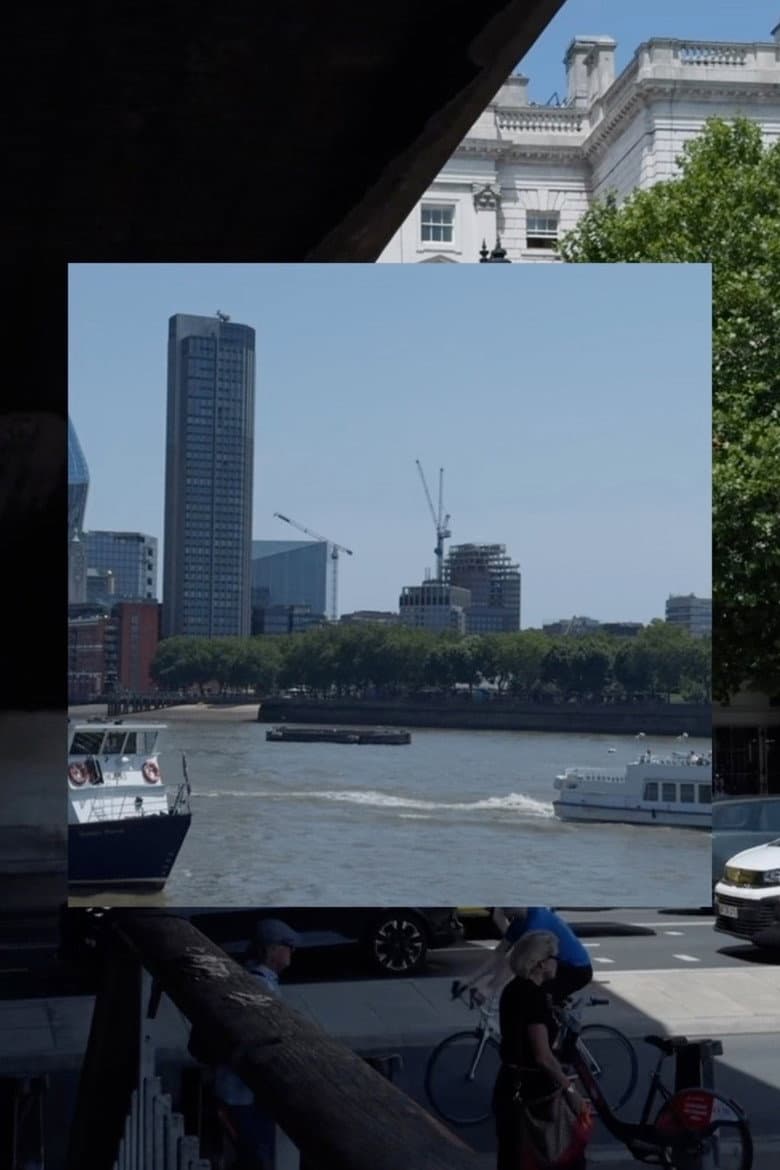
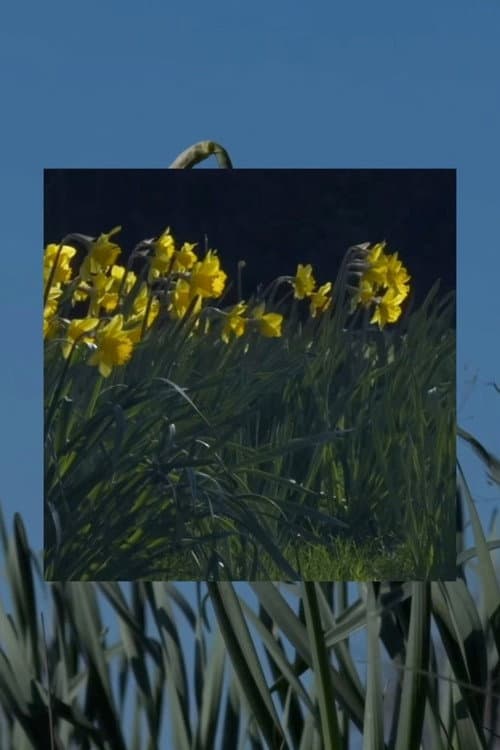
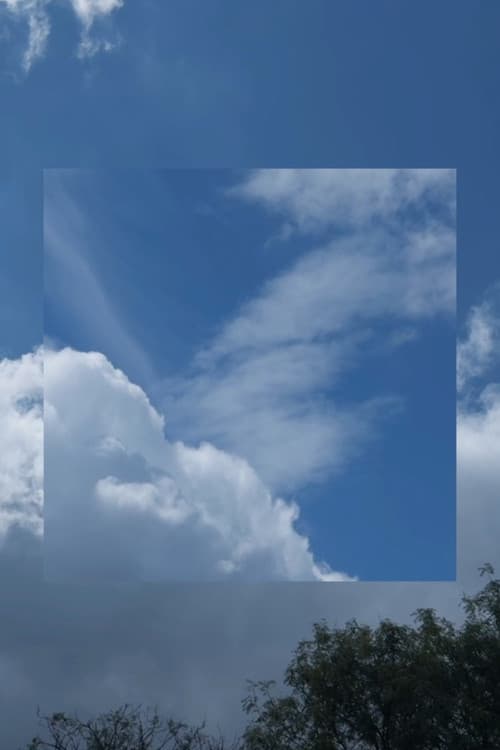
Okay, strap in. Here’s the official synopsis: Life in two four sided shapes, an experiment in presenting moving images simultaneously.
Huh. Let’s unpack that. “Life in two four sided shapes.” We’re not talking about rectangles on a screen. We’re talking about squares. Two of them. But is it two separate squares side-by-side? Is it one square nested inside another? Or is it about two square frames that are constantly interacting, overlapping, or changing size? The phrase “life in” suggests that these aren't just static borders; they're worlds, dimensions, or perhaps two different perspectives.
And then the kicker: “an experiment in presenting moving images simultaneously.” This is the real meat of it. This isn’t a story about characters or plot. This is a film about film. It’s an exploration of the grammar of cinema itself. Think about it: we’re conditioned to watch one single, linear frame. When we see a split-screen (like 24 or Phone Booth), it’s a narrative tool to show two things happening at the same time. But what if the split-screen is the subject? What if the experiment is about how our brains process two different, simultaneous visual streams? It's a meta-narrative about perception. It’s asking, “Can you watch a movie with two brains at once?”
The genre is listed as “unknown,” which is perfect. This might be an abstract animation, a live-action visual performance, or a piece of digital art that uses the language of cinema. Don’t expect dialogue, a three-act structure, or a hero’s journey. Expect movement, form, color, and rhythm. Expect to be challenged. The 0/10 TMDb rating at this stage is just a placeholder, a blank canvas waiting for early adopters to paint their verdicts on. This could be a pretentious mess, or it could be a genuinely revolutionary way to see moving images. That level of uncertainty is honestly thrilling.
Why It's Worth Watching
In a cultural landscape obsessed with franchises, IP, and 15-year cinematic universes, QUANTRO is a much-needed palate cleanser. It’s a shot of pure espresso after a gallon of sugary soda. This isn't about spectacle in the traditional sense; it's about the spectacle of an idea.
Think of it as the cinematic equivalent of a David Lynch painting or a John Cage composition. It challenges the very definition of what it is you’re consuming. It’s for the people who love reading the "Criterion Collection" essays, who enjoy talking about the use of negative space in a Wes Anderson frame, or who get genuinely excited by a filmmaker trying something they've never seen before.
Even if you watch it and hate it, you’ll have a strong opinion, and that’s more than most blockbusters can offer. In its two-minute run time, QUANTRO is a conversation starter. It’s a film you’ll probably watch a few times to wrap your head around, then immediately text your film-nerd friend about, asking, "What did we just watch?" It’s a low-commitment, high-reward dive into the avant-garde. It reminds us that cinema isn’t just about telling stories; it’s about creating experiences. So, take two minutes out of your day to get your brain scrambled. You might just have your mind changed about what a movie can be.