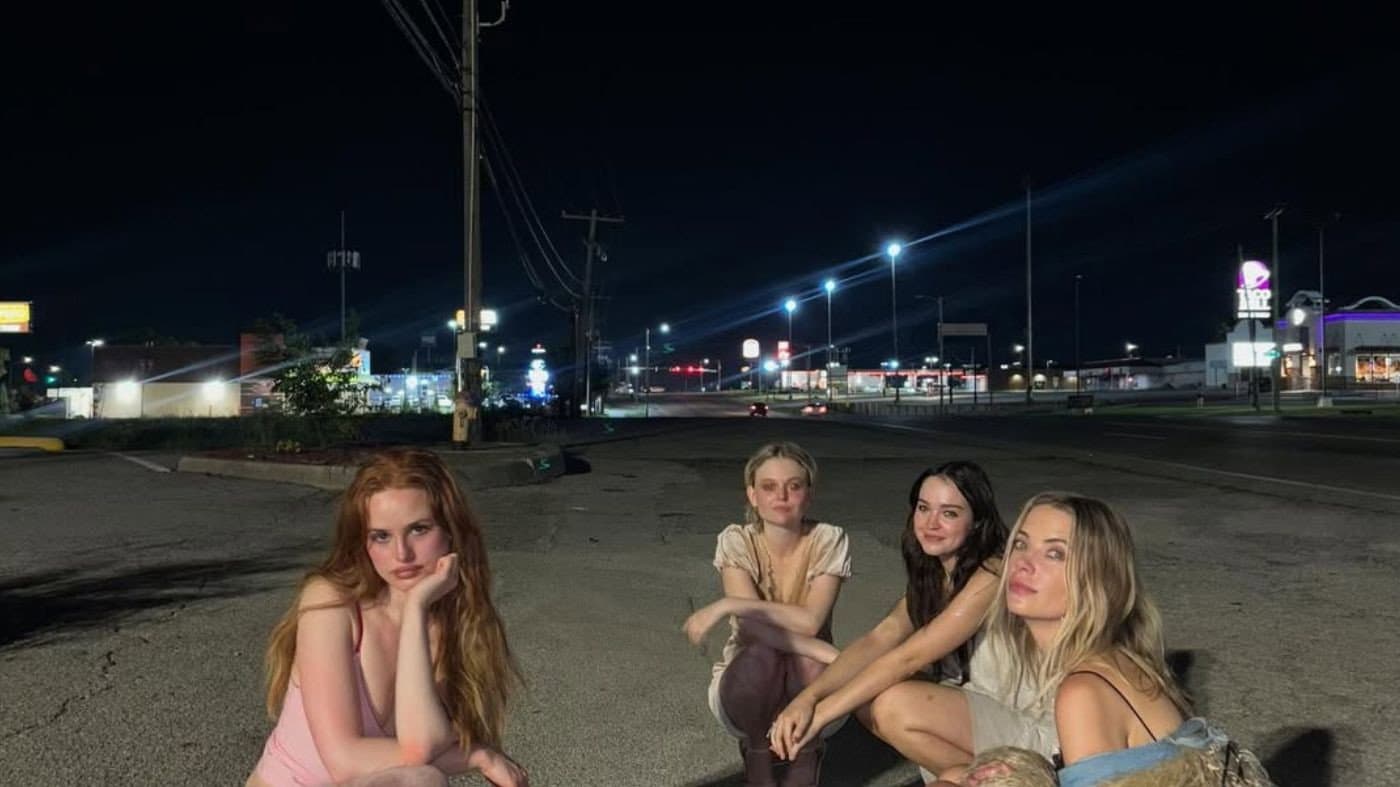
Pretty Babies Director on Real Sex Work
Tyler-Marie Evans discusses casting real women in sex work for 'Pretty Babies' and why authenticity matters in storytelling.
When Tyler-Marie Evans sat down to make Pretty Babies, she didn’t want to sugarcoat anything. The director, known for her unflinching character studies, has turned her lens toward the real lives of women in sex work - not the glossy, Hollywood-ified version we’ve seen a thousand times, but the messy, complicated, human reality. And in a recent conversation about the film, Evans made it clear that her goal wasn’t to shock or sensationalize, but to listen.
“These aren’t characters to me,” Evans said, speaking about the women who inspired the project. “They’re people with full lives, full histories, and full contradictions. The minute you reduce them to a label, you’ve already lost the story.”
That ethos is baked into Pretty Babies from frame one. The narrative follows a group of women navigating the gig economy of the internet - cam work, OnlyFans-style platforms, and the blurred lines between performance and intimacy. But Evans isn’t interested in the tech or the trends. She’s interested in the quiet moments between the shows, the exhaustion after the screen goes dark, and the friendships that form in the strangest of spaces.
The director spent months researching, conducting interviews and building trust with her subjects before a single scene was shot. That process shaped the film’s tone, which balances raw honesty with a surprising warmth. It’s a tightrope walk, but Evans says it was the only way to do the story justice.
“People think they know what this world looks like because they’ve seen it in movies or heard about it on podcasts,” she explained. “But those depictions are almost always from the outside looking in. I wanted to flip the perspective. I wanted the audience to sit with these women, not just watch them.”
The result is a film that resists easy judgment. There’s no melodramatic rescue arc, no gritty downfall waiting around every corner. Instead, Pretty Babies offers something rarer: nuance. One character is a single mom saving for a deposit; another is a college grad paying off loans; a third is just trying to feel in control of her own body. Their reasons vary, and Evans refuses to rank them by tragedy.
The Human Behind the Screen
What makes Pretty Babies stand out in a crowded field is its refusal to treat sex work as a monolith. Evans spent time with women across different ages, backgrounds, and geographic regions, and the film weaves their stories together like a patchwork quilt. There’s heartbreak, sure, but there’s also laughter, ambition, and moments of genuine joy.
“One of the biggest myths is that everyone in this industry is suffering,” Evans noted. “That’s just not true. Some of the women I spoke with were thriving. But even the ones who were struggling had agency. They made choices. Those choices might not look like the ones I would make, but that doesn’t make them less valid.”
That perspective extends to the film’s visual language. Evans deliberately avoided the neon-lit, hazy aesthetic that usually accompanies stories about sex work. Instead, she shot Pretty Babies in natural light, often in cramped apartments and cluttered bedrooms. The intimacy is uncomfortable at times, but it’s also deeply human.
The performances have been drawing buzz, with several of the ensemble cast praised for their raw, unvarnished turns. But Evans is quick to deflect credit. “The actors brought so much of themselves to this,” she said. “They did their own research, had their own conversations. By the time we were on set, they weren’t acting. They were witnessing.”
A Complicated Conversation
Of course, a film like this isn’t without its critics. Evans acknowledges that some viewers will come in with preconceived notions, and she’s okay with that. “I’m not trying to convince anyone to change their mind,” she said. “I’m just asking them to listen. That’s it. If you leave the theater and you’re still angry, at least you’re angry about something real now, not something you imagined.”
The director also pushed back against the idea that her film is a “message movie.” If anything, she sees it as a character study that happens to be set in an industry people love to gawk at. “There’s a temptation to moralize,” Evans said. “But I think the more interesting question is: why are we so fascinated by this? What does it say about us that we can’t look away?”
Pretty Babies is already generating conversation ahead of its wider release, and Evans seems unfazed by the spotlight. She’s been through this before, and she knows the discourse will simmer down long after the credits roll. What matters, she says, is that the women who shared their stories feel heard.
“I’ve had a few of them reach out after screenings, and that’s been the most meaningful part,” she shared. “They said, ‘That’s my life. That’s exactly how it felt.’ And that’s all I ever wanted. I don’t need to change the world. I just need to get it right.”
For now, Evans is moving on to her next project - something a little lighter, she jokes, though she won’t say what. But one thing is certain: she’s not done asking hard questions. And with Pretty Babies, she’s proven that the most powerful stories are the ones that refuse easy answers.
Source: The Hollywood Reporter