Pather Panchali: Why This Classic Still Matters
Director
Satyajit Ray
Language
BN
Release
1955-08-26
Runtime
125 min
Discover the enduring legacy of Satyajit Ray's masterpiece Pather Panchali and its profound influence on cinema. A must-read for movie fans.
Christopher Nolan, the master of mind-bending blockbusters and non-linear storytelling, has just dropped a cinematic confession that’s sending chills down the spines of classic film lovers everywhere. During a recent interview, the Oppenheimer and Inception auteur heaped major praise on Satyajit Ray’s 1955 masterpiece Pather Panchali, calling it an “incredible film.” For a director known for his own towering, high-concept spectacles, this shoutout is a powerful reminder that even the biggest stars of modern cinema bow to the giants who came before.
Nolan’s Deep Respect for Ray’s Quiet Epic
It’s no secret that Nolan has always worn his cinephile heart on his sleeve, name-dropping everyone from Stanley Kubrick to Terrence Malick. But his latest nod to Satyajit Ray feels particularly special. In a conversation that touched on the enduring power of intimate storytelling, Nolan reportedly singled out Pather Panchali - Ray’s debut feature and the first chapter of his celebrated Apu Trilogy - as a film that “still resonates with such raw, human truth.” While the exact quote from Nolan wasn’t provided beyond the “incredible film” label, the enthusiasm behind it is unmistakable. For a filmmaker who routinely juggles time loops, black holes, and atomic bomb tests, praising a slow-burn, black-and-white drama about a struggling Bengali family is a testament to how universal and timeless great cinema truly is.
What Makes Pather Panchali So Incredible?
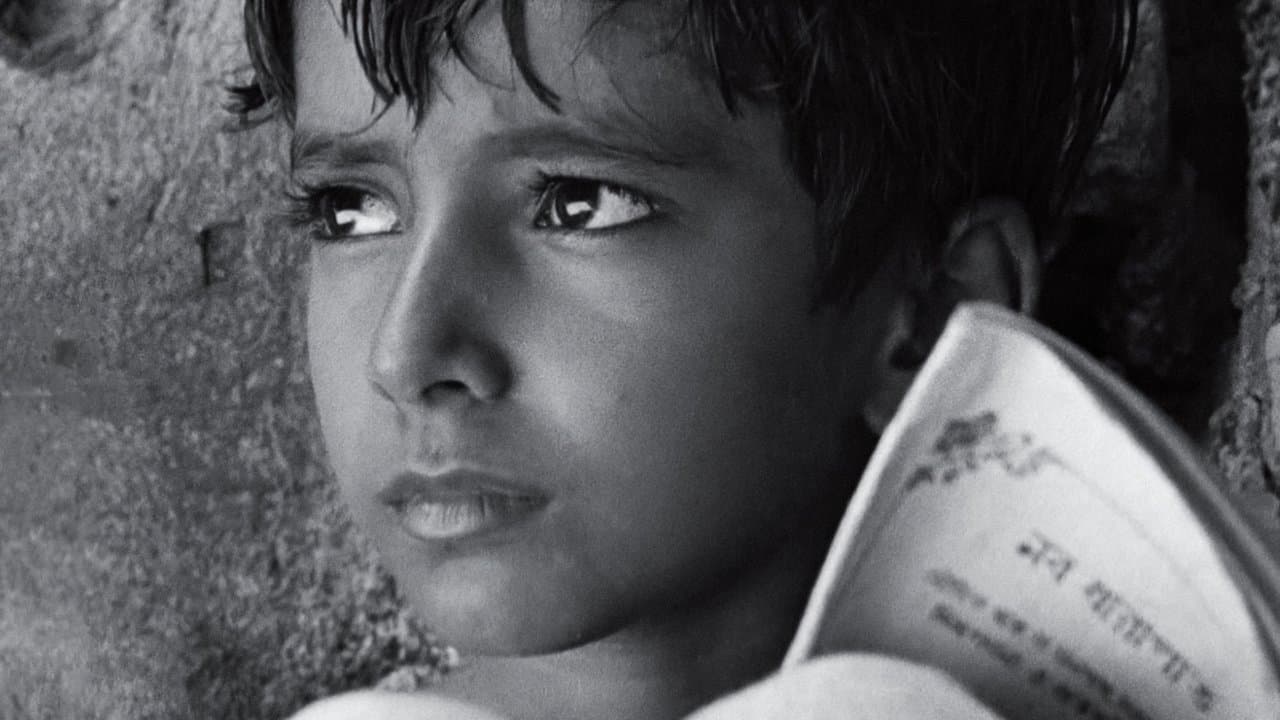
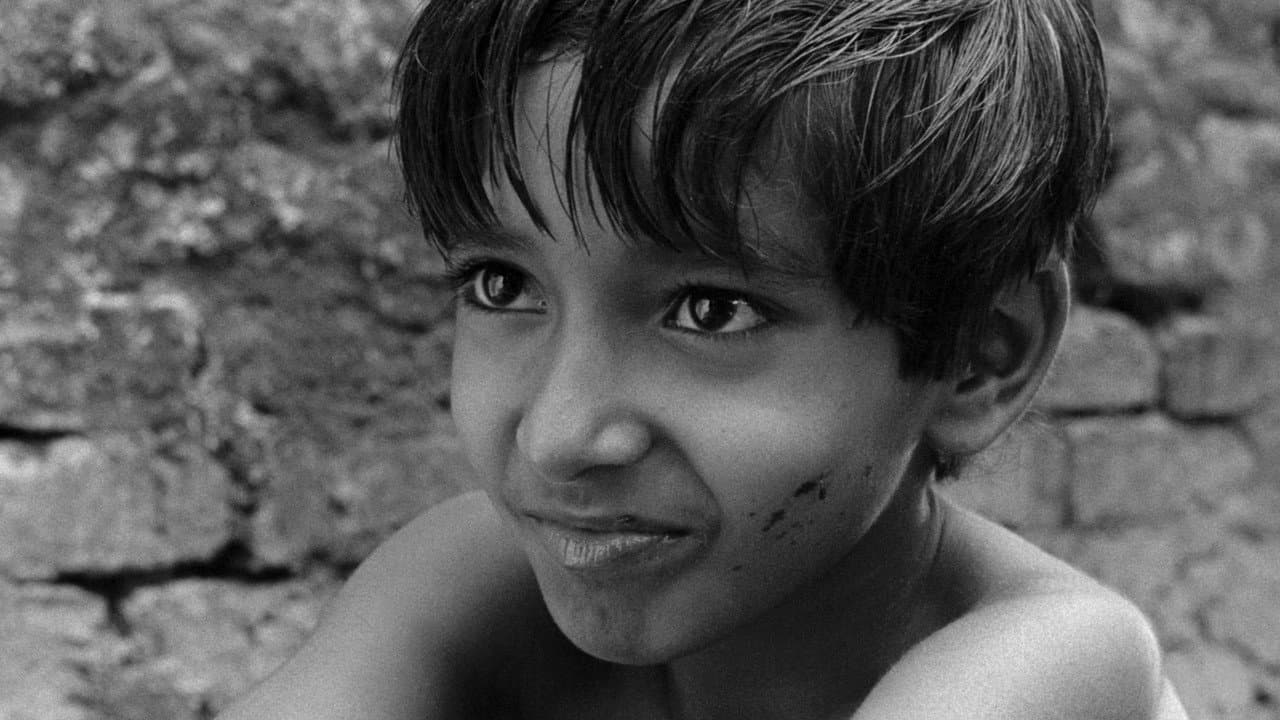
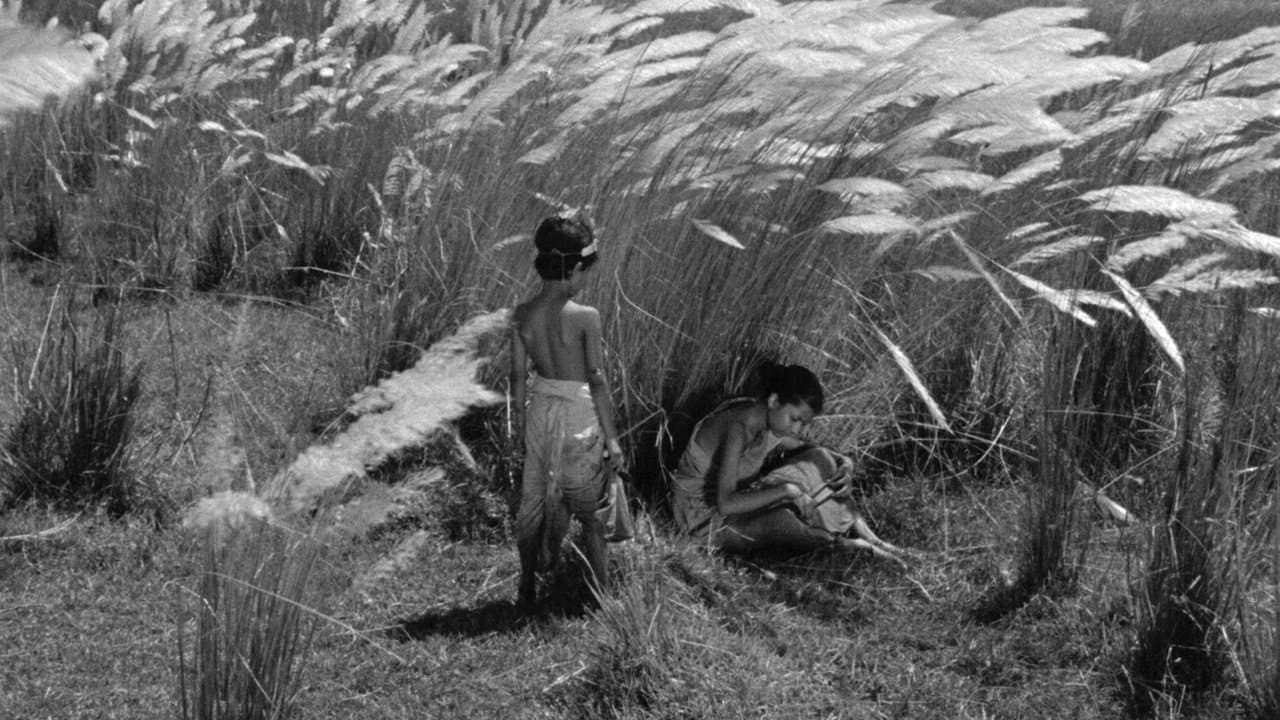
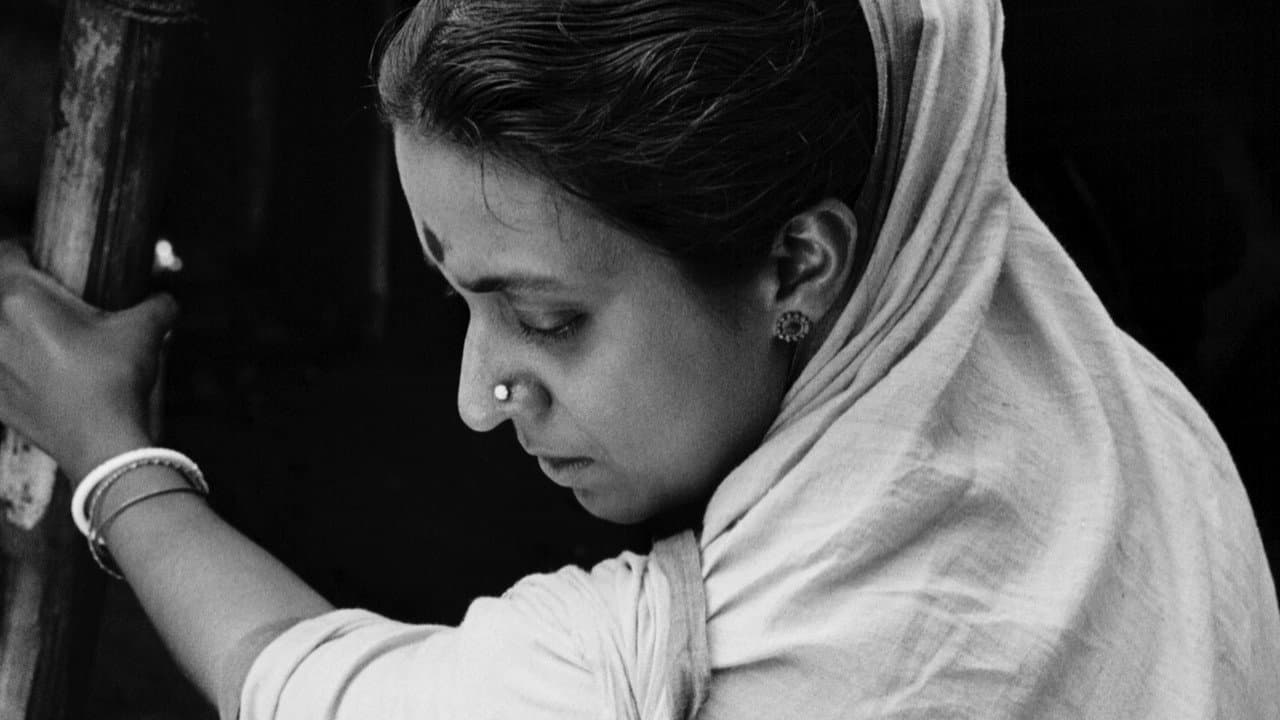
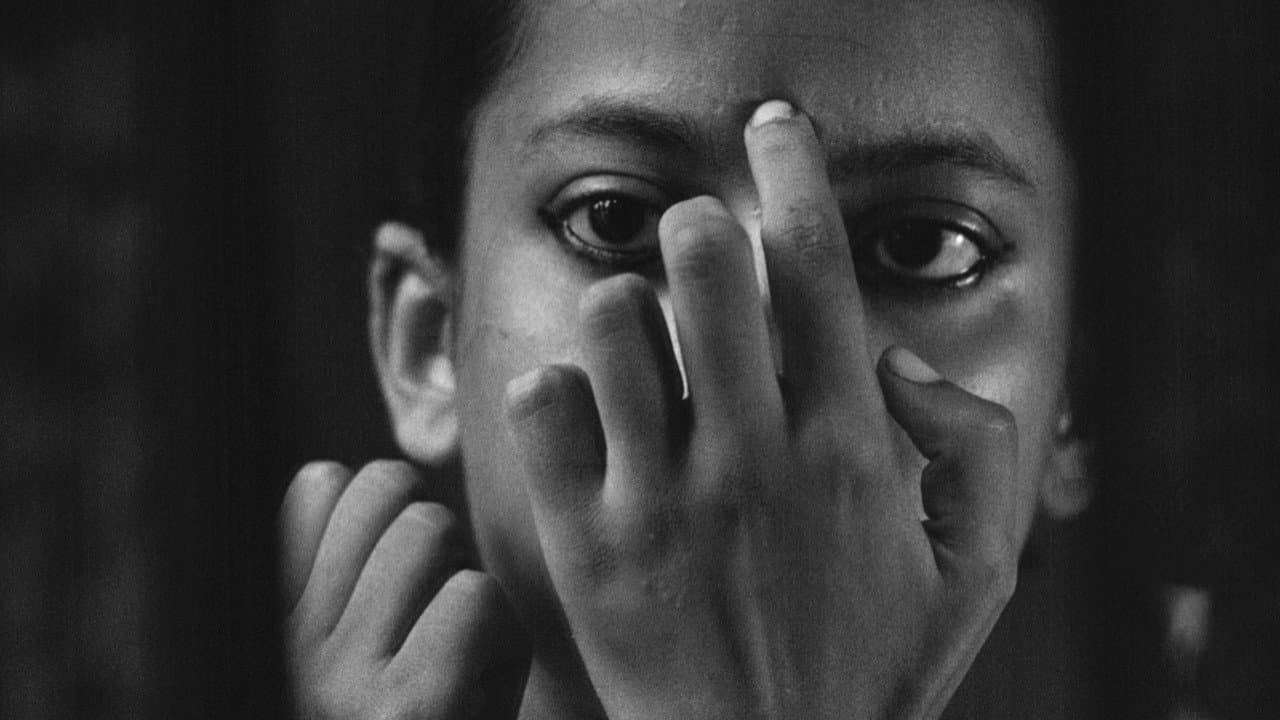
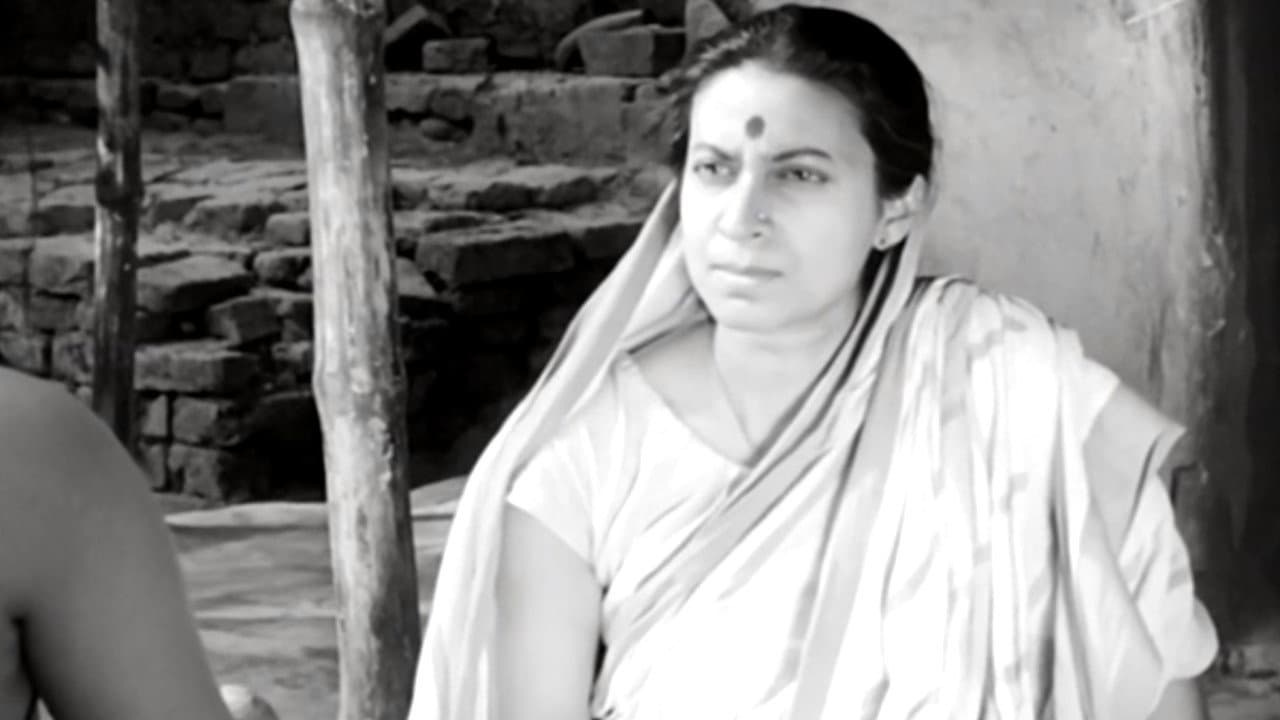
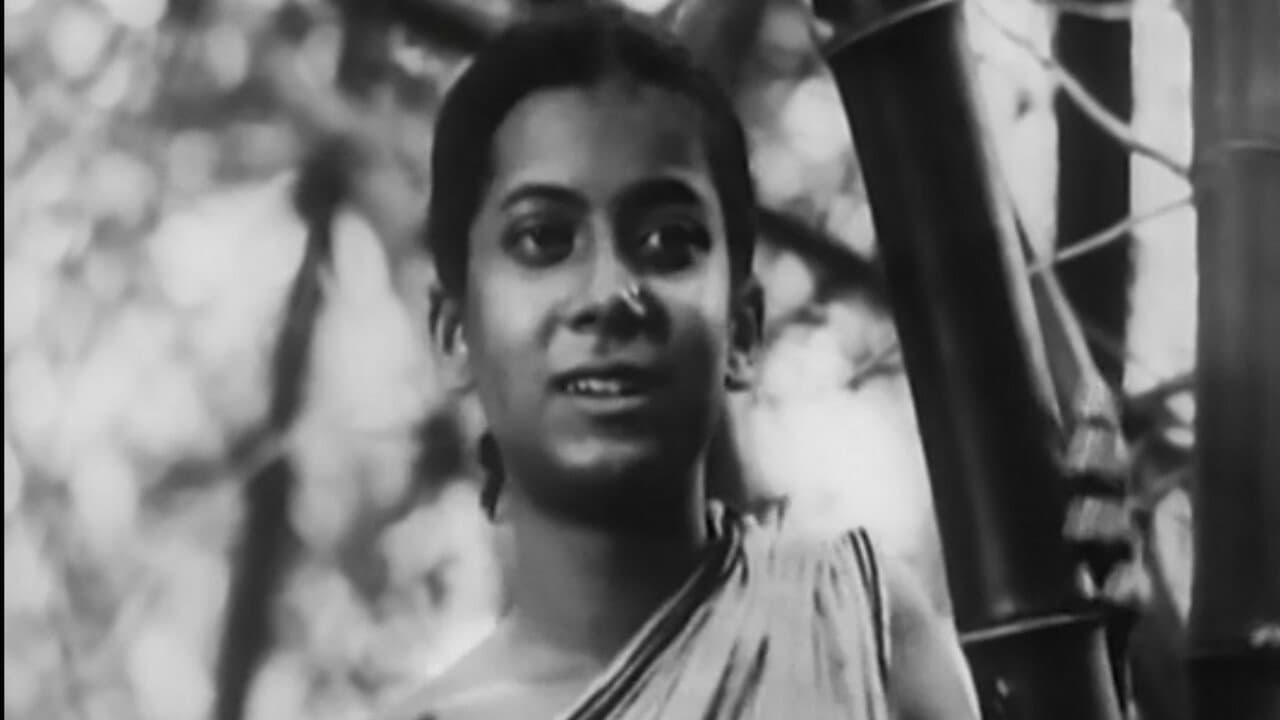
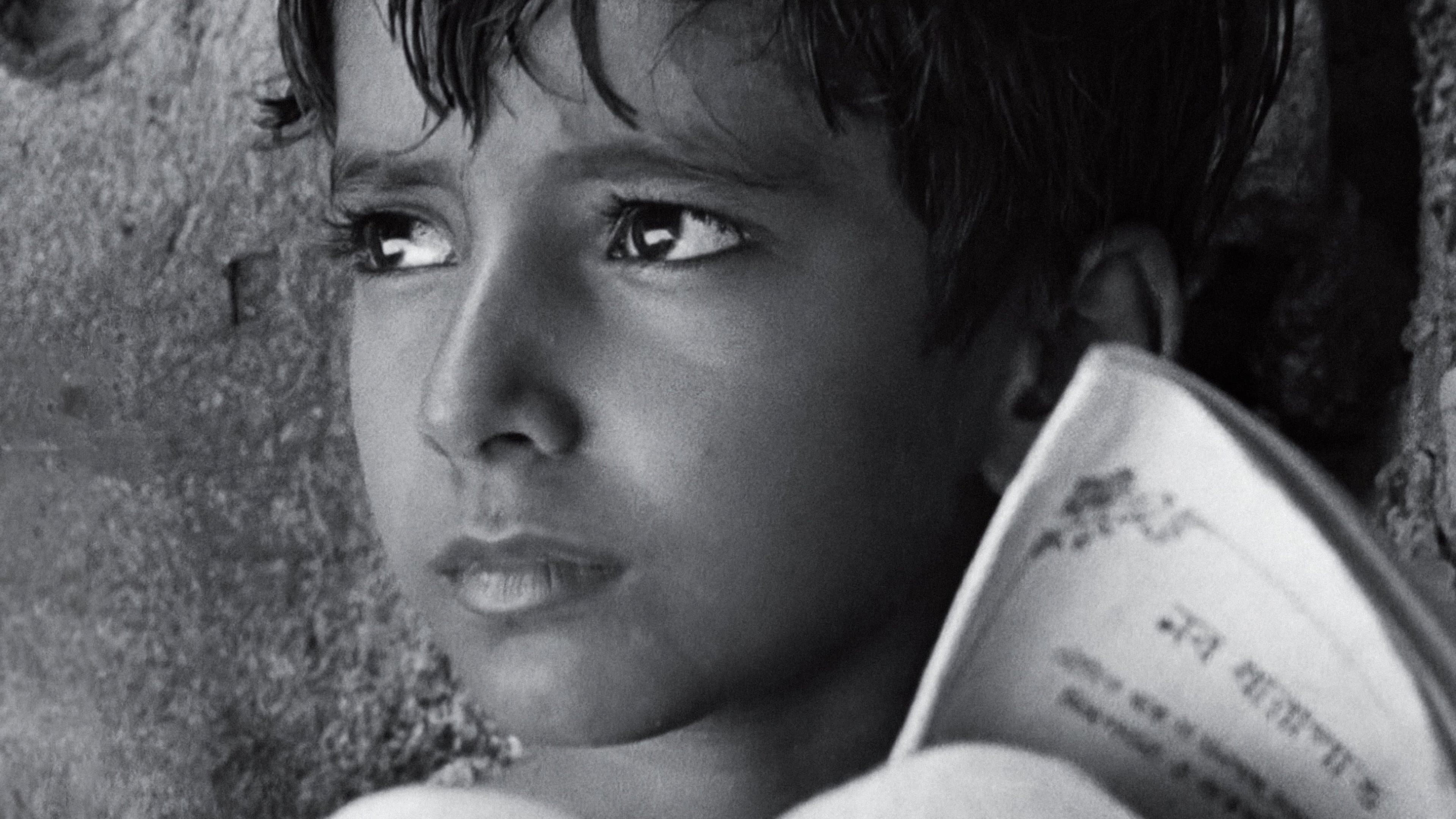
For the uninitiated, Pather Panchali is the cinematic equivalent of a quiet earthquake. Directed by Satyajit Ray, the film follows the Ray family - Harihar, a dreamy priest always chasing a better life, his resilient wife Sarbojaya, their rebellious daughter Durga, and little Apu, who would go on to become one of cinema’s most beloved characters. The story unfolds in a rural Bengal village, where poverty and hardship are balanced by stolen moments of joy: the sight of a train, the rustle of a field, the bond between siblings. Running at 125 minutes, it’s a gentle, observational drama that also packs a devastating emotional punch. The cast - led by Kanu Bannerjee, Karuna Banerjee, and a stunning performance from Chunibala Devi as the elderly aunt - brings Ray’s vision to life with a naturalism that feels decades ahead of its time.
With a TMDb rating of 7.799/10, the film has only grown in stature over the years. It launched Ray as a global auteur and remains a cornerstone of world cinema. Nolan’s shoutout is just the latest in a long line of tributes from filmmakers who see Ray’s work as foundational - a masterclass in pacing, empathy, and visual poetry.
Why Nolan’s Nod Matters Now
Nolan’s words come at a time when the conversation around classic and international cinema is more vibrant than ever. Streaming platforms have made films like Pather Panchali accessible to new generations, yet they still need champions like Nolan to remind audiences that “incredible” doesn’t always mean explosive. For his part, Nolan has never shied away from acknowledging his influences. He’s famously cited Kubrick, Ridley Scott, and even the Bond franchise. But by throwing a spotlight on Satyajit Ray, he’s linking his own legacy of cerebral, high-stakes filmmaking to a tradition of quiet, humanistic observation.
This is also a moment that resonates deeply with Indian cinema fans. Ray remains a towering figure in Bengal and beyond, but his work sometimes gets overshadowed in Western discourse by more commercial Bollywood fare. Nolan’s endorsement - coming from a director who routinely packs theaters worldwide - is a welcome reminder that greatness doesn’t care about language or budget. It’s about vision, and Pather Panchali has that in spades.
Final Frame
So, next time you’re knee-deep in a Nolan marathon - rewinding Tenet for the third time or dissecting the dream layers in Inception - take a detour to a tiny Bengali village in the 1950s. Christopher Nolan might be the one building time-bending puzzles, but he knows that sometimes the most incredible films are the ones that simply hold up a mirror to life. And if the director of Interstellar says Pather Panchali is worth your time, you’d be wise to listen.
Source: NDTV
Gallery