Wild Secrets Behind Once Upon a Time in Hollywood
Leo, Brad, and Margot in one room? Yes, please! We're spilling the wildest behind-the-scenes secrets of Tarantino's Once Upon a Time in Hollywood!
Director
Quentin Tarantino
Language
EN
Release
2019-07-24
Runtime
162 min
Leo, Brad, and Margot in one room? Yes, please! We're spilling the wildest behind-the-scenes secrets of Tarantino's Once Upon a Time in Hollywood!
The film industry is mourning the loss of a true visual visionary. Barbara Ling, the Oscar-winning production designer who famously turned back the clock to resurrect the sun-drenched, neon-glowing streets of late-1960s Los Angeles for Quentin Tarantino’s Once Upon a Time in Hollywood, has passed away at the age of 73.
For movie lovers and industry insiders alike, Ling’s work was nothing short of magic. She didn't just build backdrops; she constructed living, breathing time machines. When Tarantino set out to make his love letter to a bygone era of cinema, he needed someone who could physically manifest the nostalgia, dirt, glamour, and tension of 1969. Ling did exactly that, earning herself an Academy Award and the eternal admiration of cinephiles worldwide.
Recreating the Magic of 1969
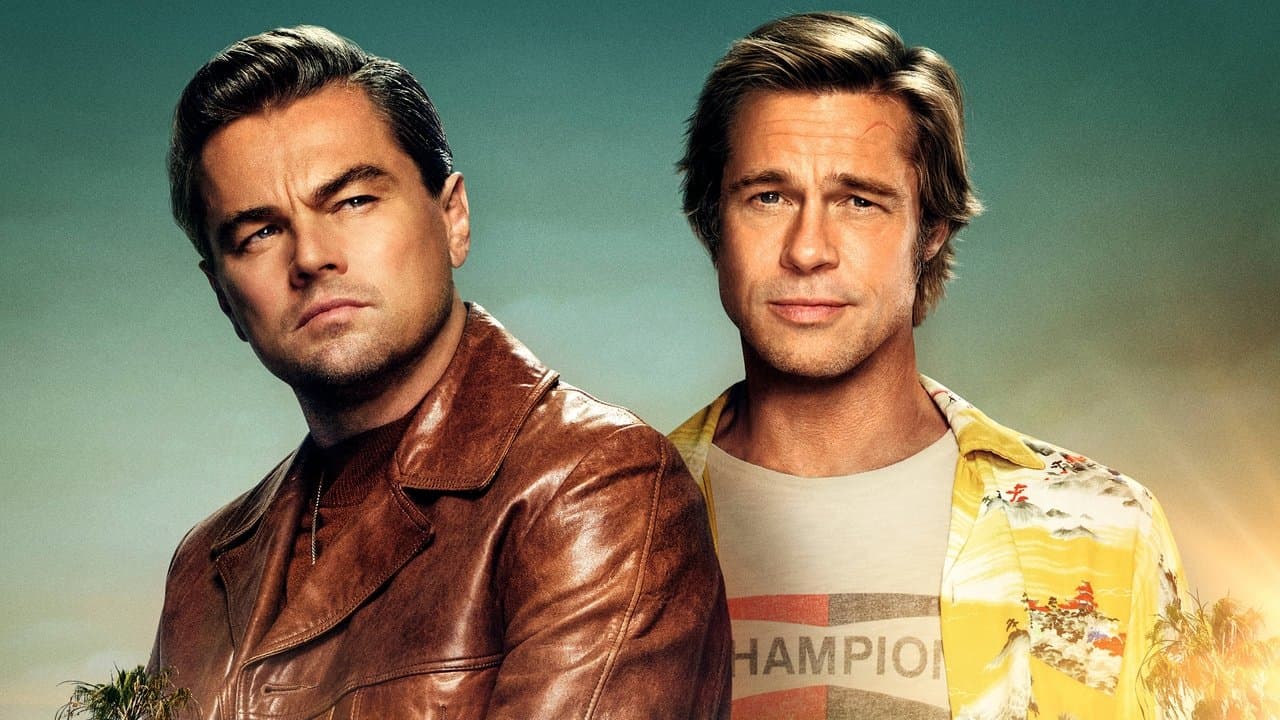
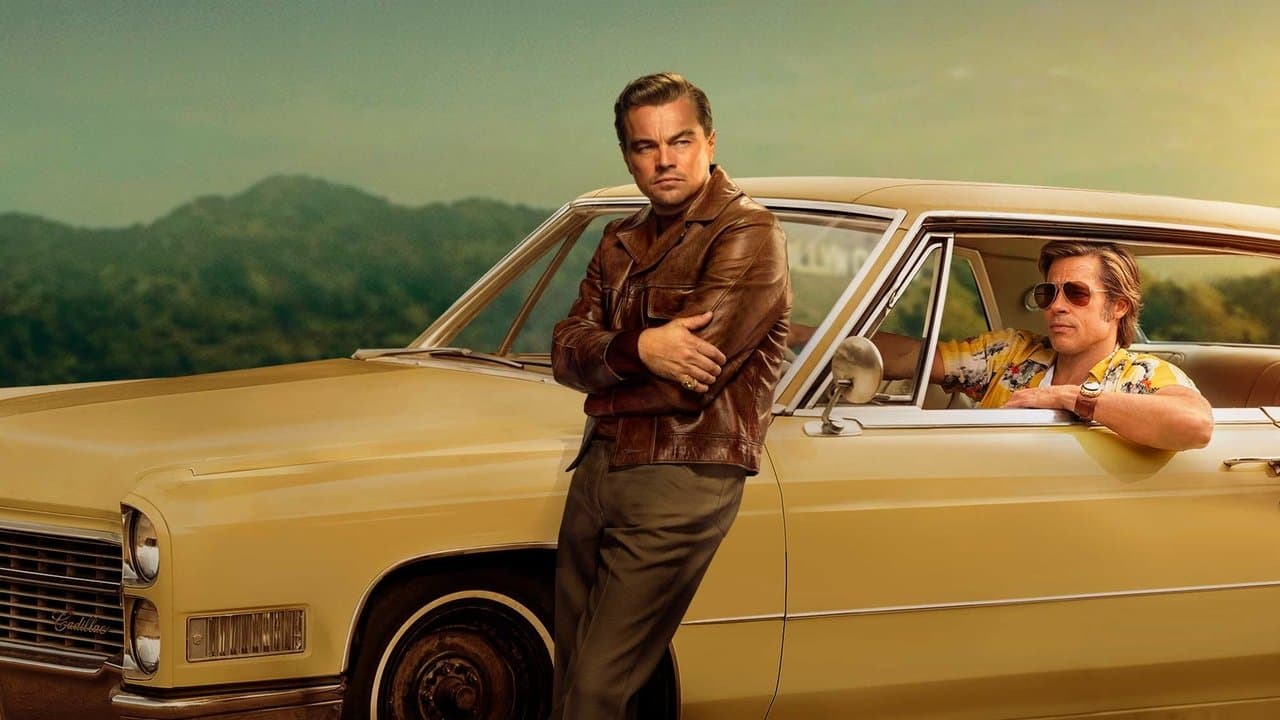
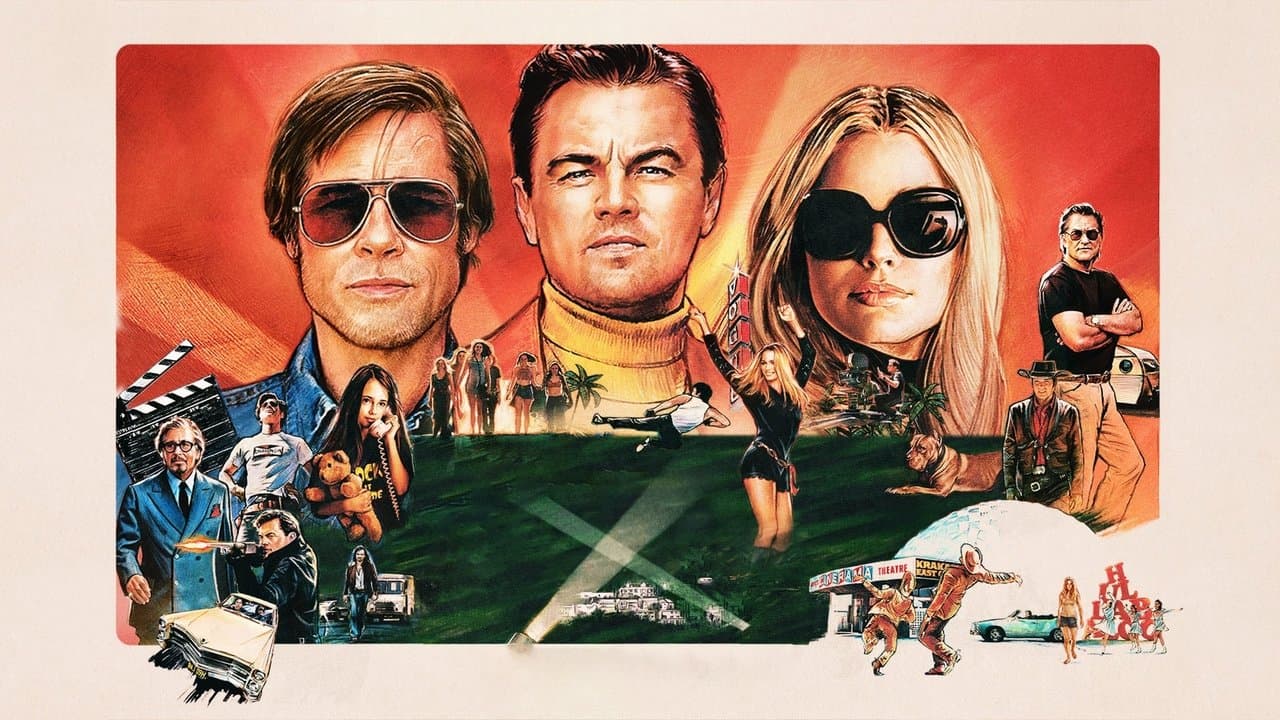
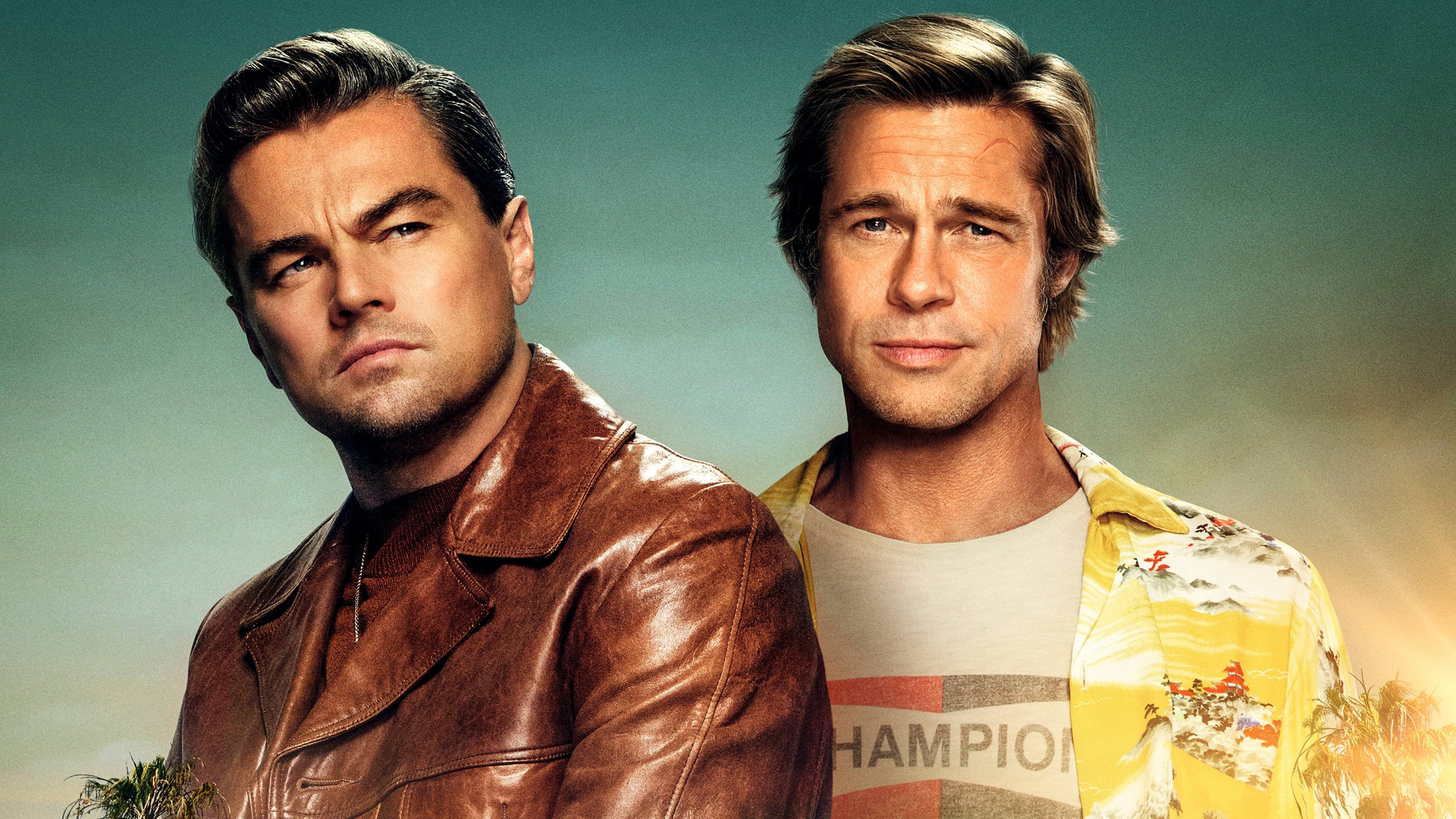
Released on July 24, 2019, Once Upon a Time in Hollywood is a 162-minute journey that masterfully blends comedy, drama, and thriller elements. It currently boasts a strong 7.422/10 rating on TMDb, a score driven in no small part by the film's incredible atmosphere. The movie follows the fading career of television Western star Rick Dalton (played by Leonardo DiCaprio) and his loyal, easygoing stunt double Cliff Booth (Brad Pitt) as they navigate an industry that is rapidly leaving them behind.
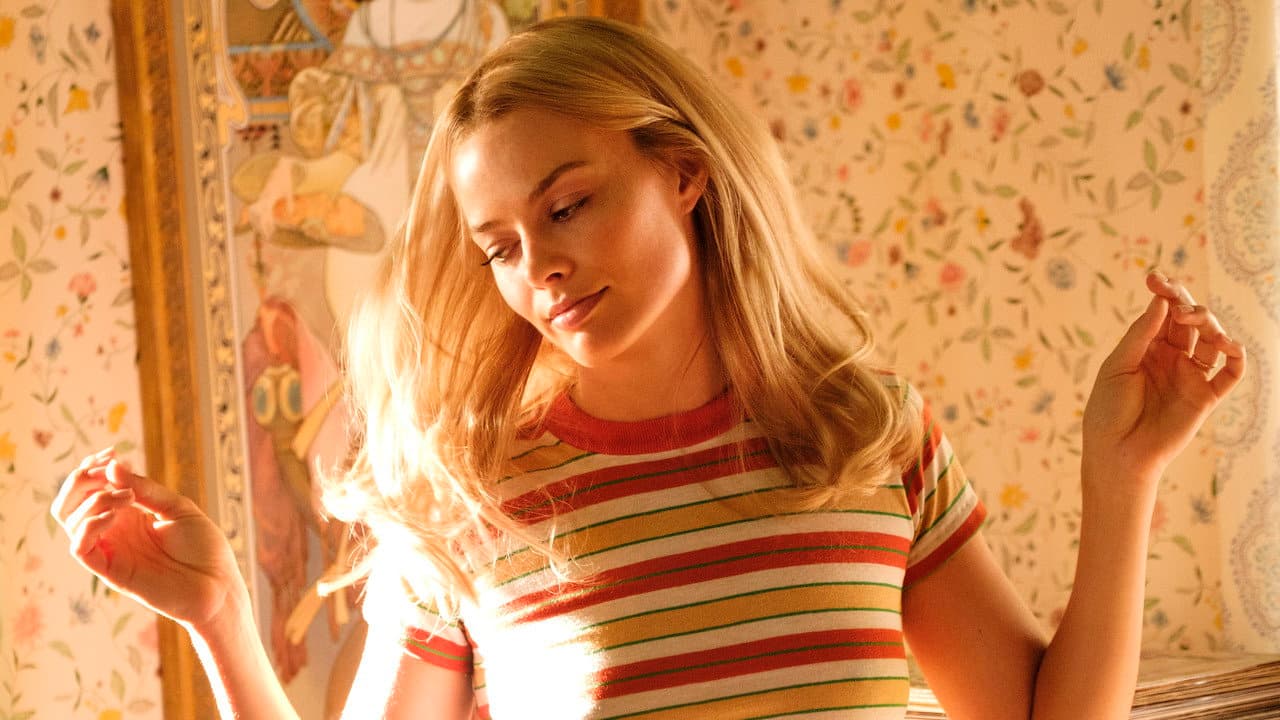
At the same time, the story orbits the real-life figure of Sharon Tate (Margot Robbie), the promising young actress and model who has just married director Roman Polanski and moved in right next door to Dalton’s Hollywood Hills home.
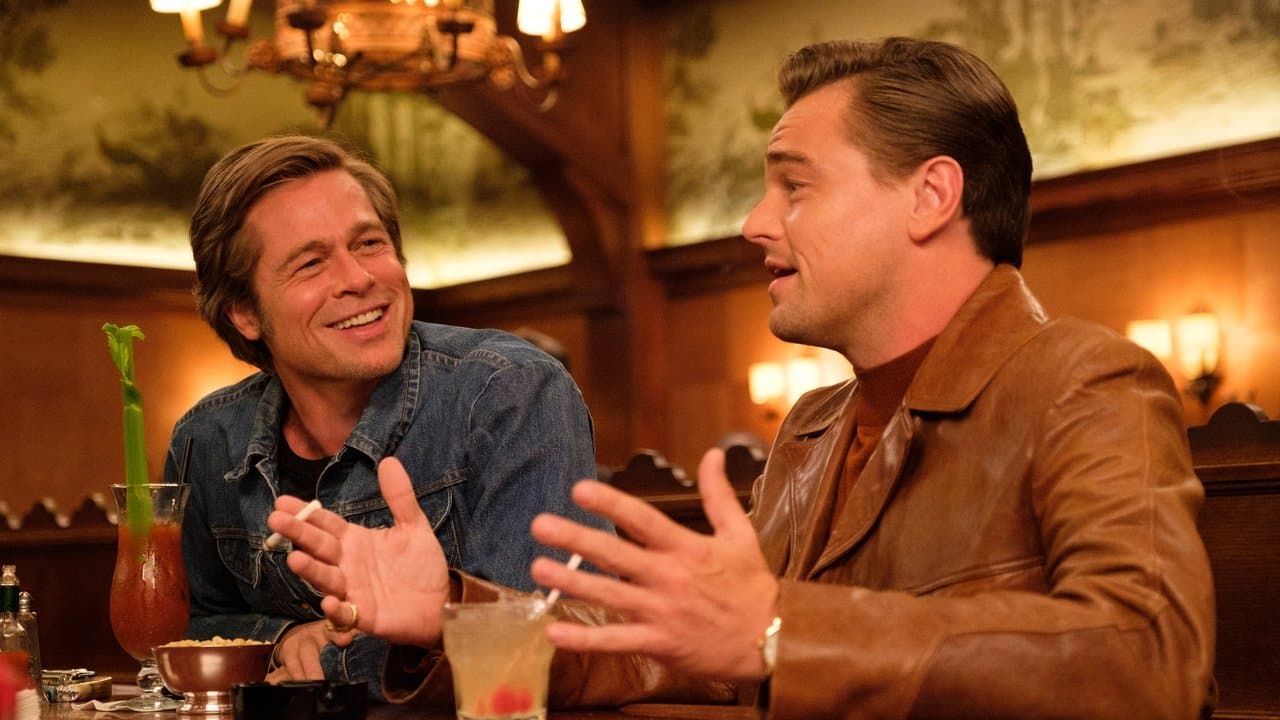
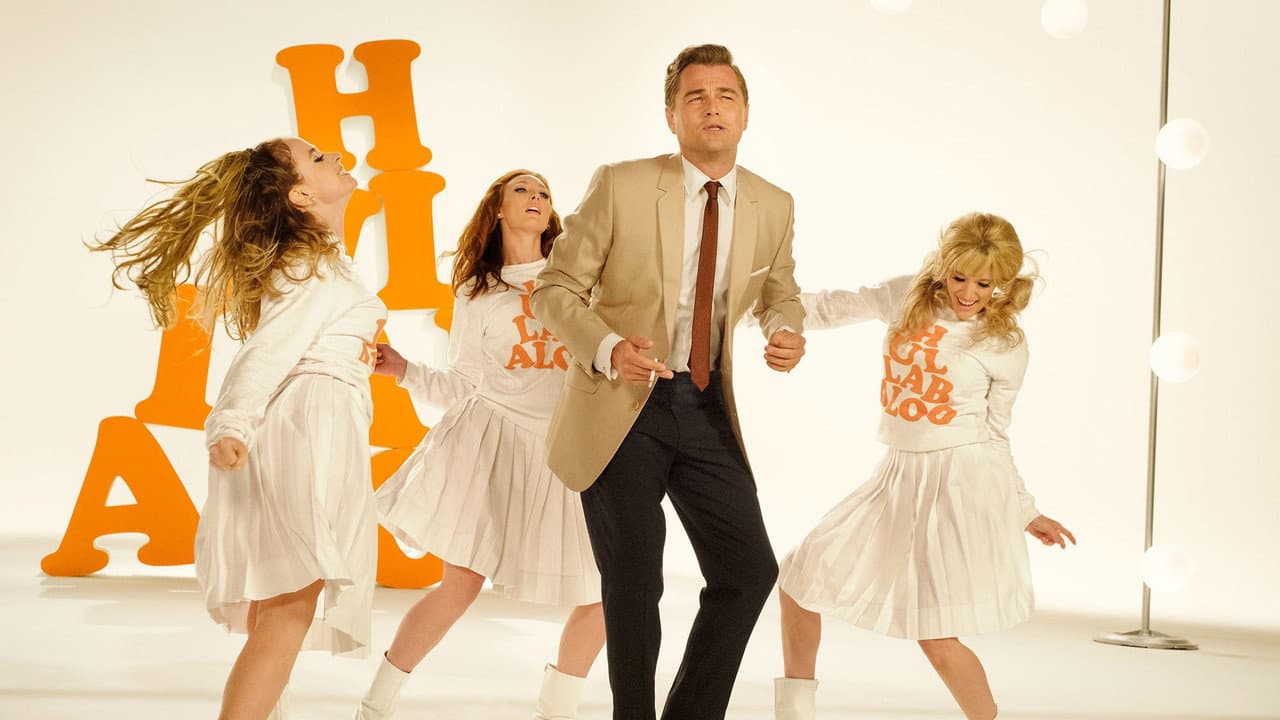
To make this world believable, Ling faced a monumental task. Rather than relying on digital green screens to recreate the past, she and her team literally took over prime stretches of Los Angeles. They shut down blocks of Hollywood Boulevard, stripping away modern signage, replacing storefronts with vintage facades, and erecting massive, retro billboards. From the iconic neon of the Musso & Frank Grill to the historic movie marquees, Ling transformed modern Southern California into a tangible playground for Tarantino’s characters.
Designing the Contrast of a Changing Era
What made Ling’s work on the film so spectacular was her attention to character through space. The contrast between the various environments in the movie told a story of its own.
Rick Dalton’s house was a mid-century modern bachelor pad, cluttered with the relics of his past success-vintage posters, heavy wooden furniture, and a wet bar that felt slightly out of step with the approaching 1970s. Right next door, the Polanski-Tate residence represented the bright, breezy, and youthful future of Hollywood, filled with light and music.
Ling’s design also took audiences deep into the rugged, dusty terrain of the Spahn Ranch, the dilapidated former film set occupied by the Manson family, including characters like 'Pussycat' (Margaret Qualley) and 'Tex' (Austin Butler). The decaying wood and eerie atmosphere of the ranch stood in stark contrast to the sparkling, carefree glamour of the Playboy Mansion party attended by Tate and Jay Sebring (Emile Hirsch).
Even the show-within-a-show segments, like the television Western Lancer featuring Jim Stacy (Timothy Olyphant) and the incredibly professional child actor Trudi Fraser (Julia Butters), required Ling to construct authentic-looking, dusty saloon sets that felt distinct from the "real" world of the film.
A Legacy of Bold Visual Storytelling
While Once Upon a Time in Hollywood was her crowning, Oscar-winning achievement, Ling’s career was defined by her versatility and bold aesthetic choices. She was never one to play it safe. Her filmography spanned wildly different genres and visual styles, proving she could adapt to any director’s wildest dreams.
She brought a gritty, hallucinatory authenticity to the 1960s music scene in Oliver Stone’s The Doors, and later pivoted to the campy, hyper-stylized, neon-drenched streets of Gotham City for Joel Schumacher’s Batman Forever and Batman & Robin. Whether she was designing the cozy, Southern warmth of Fried Green Tomatoes or the comic-book grandeur of a superhero blockbuster, Ling understood that the environment is always a character in its own right.
Great production design is often invisible because it is meant to draw the audience completely into the story. But in the case of Barbara Ling, her work was so breathtakingly detailed and evocative that you couldn't help but marvel at the craft. She didn't just design sets-she built the places where our cinematic dreams live. Hollywood is a little less colorful today without her creative spark, but her extraordinary vision will live on every time we step back into her worlds.
Source: The Hollywood Reporter
Gallery