Obsession (1976) - De Palma’s Psychological Thriller News
Get the latest on Brian De Palma’s 1976 film Obsession - twists, Bernard Herrmann’s score, and updates on the cult classic’s re-release and analysis.
Director
Brian De Palma
Language
EN
Release
1976-08-01
Runtime
99 min
Get the latest on Brian De Palma’s 1976 film Obsession - twists, Bernard Herrmann’s score, and updates on the cult classic’s re-release and analysis.
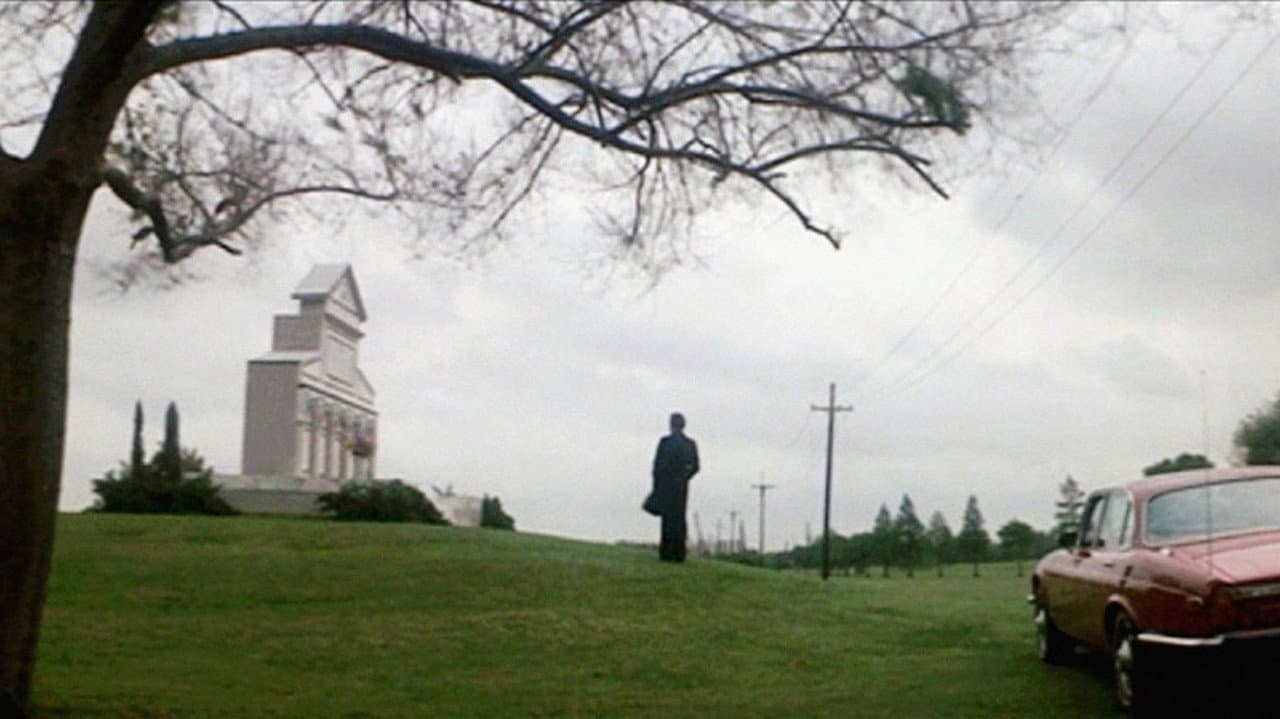
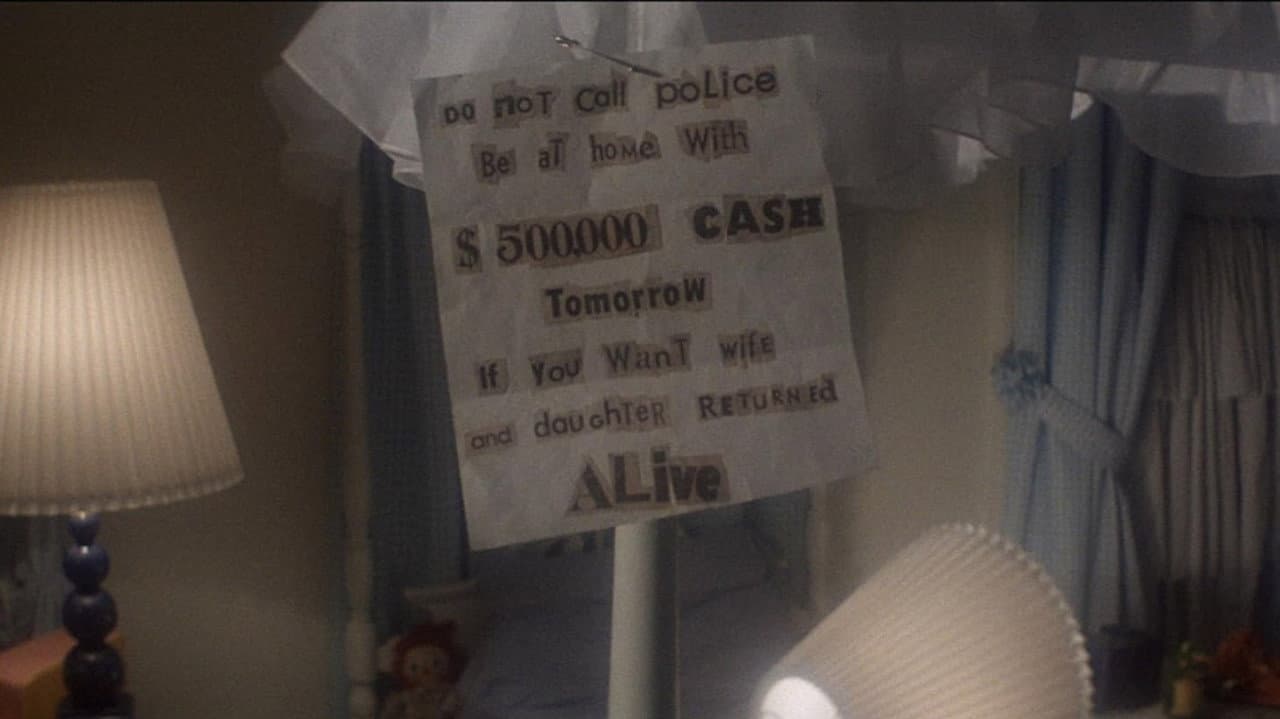
Well, here’s a sentence that sounds like it belongs in a fever dream: Obsession, Brian De Palma’s 1976 psychological thriller, just became the first film of the 2020s - original or otherwise - to cross the $500 million mark at the global box office. Yes, that Obsession. The one with the wealthy New Orleans businessman, the eerie doppelgänger, and enough Hitchcock worship to fill a film school syllabus. Fifty years later, the world has apparently decided it needs more of that.
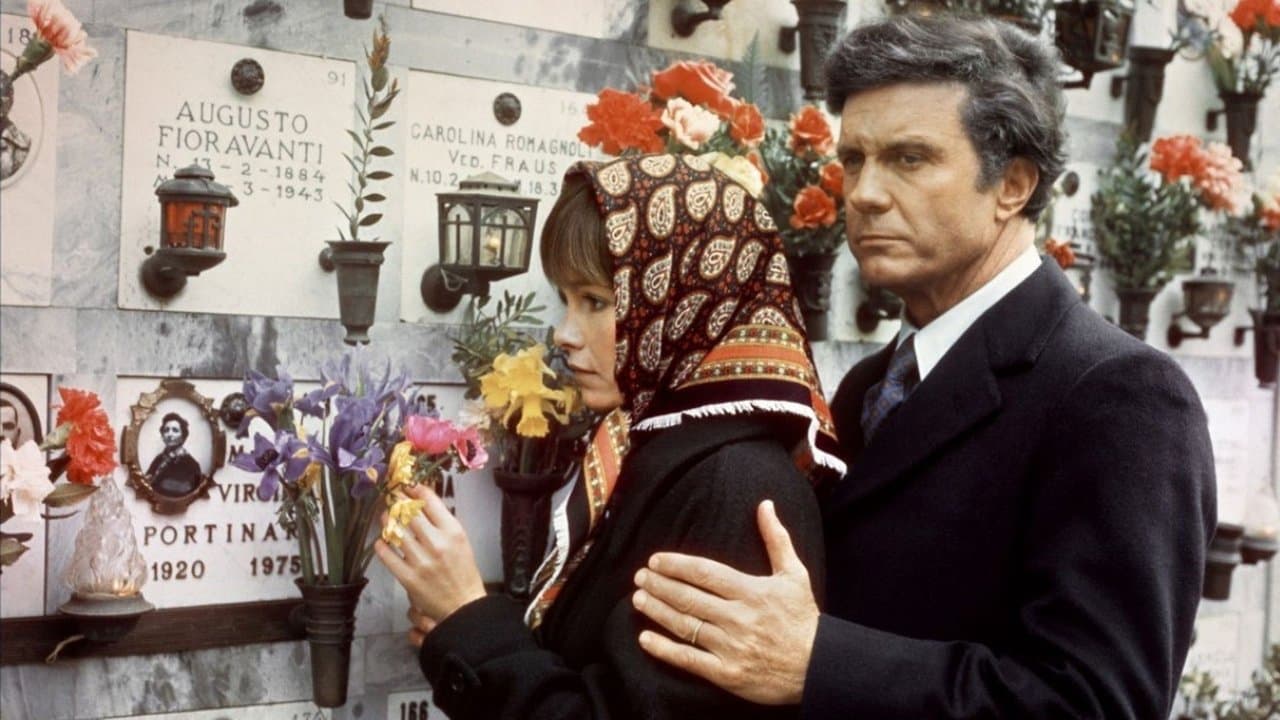
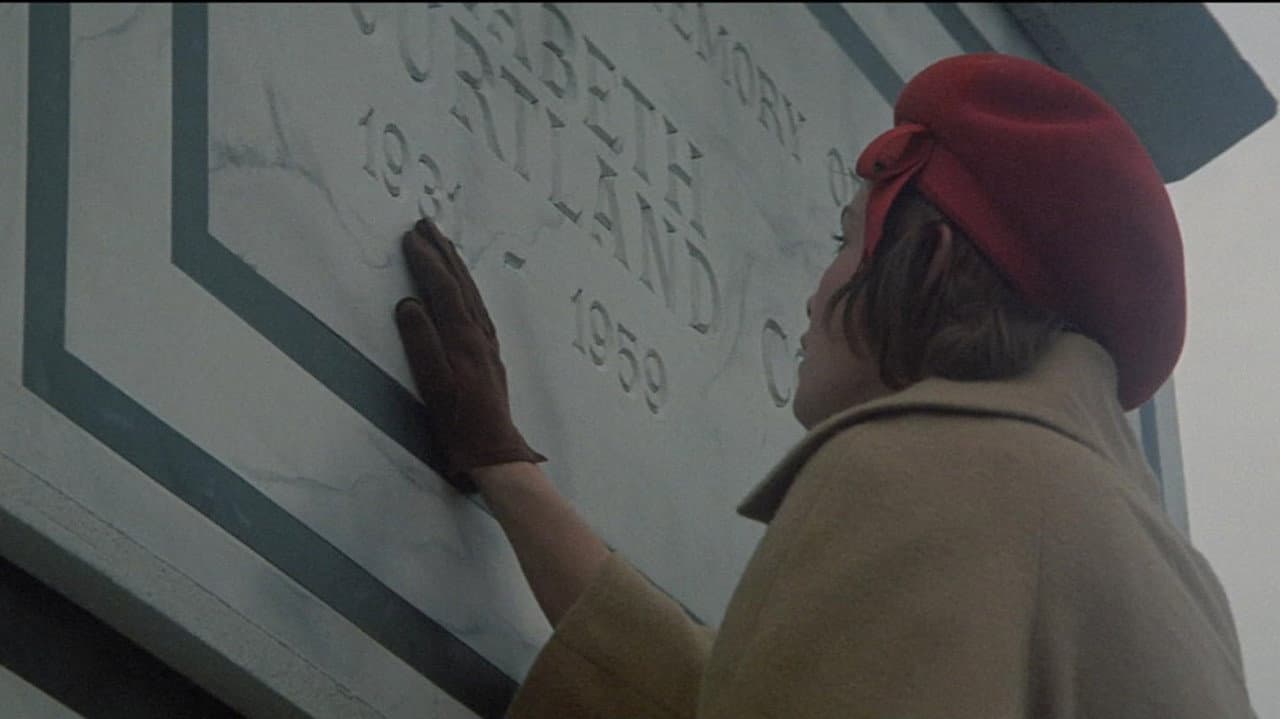
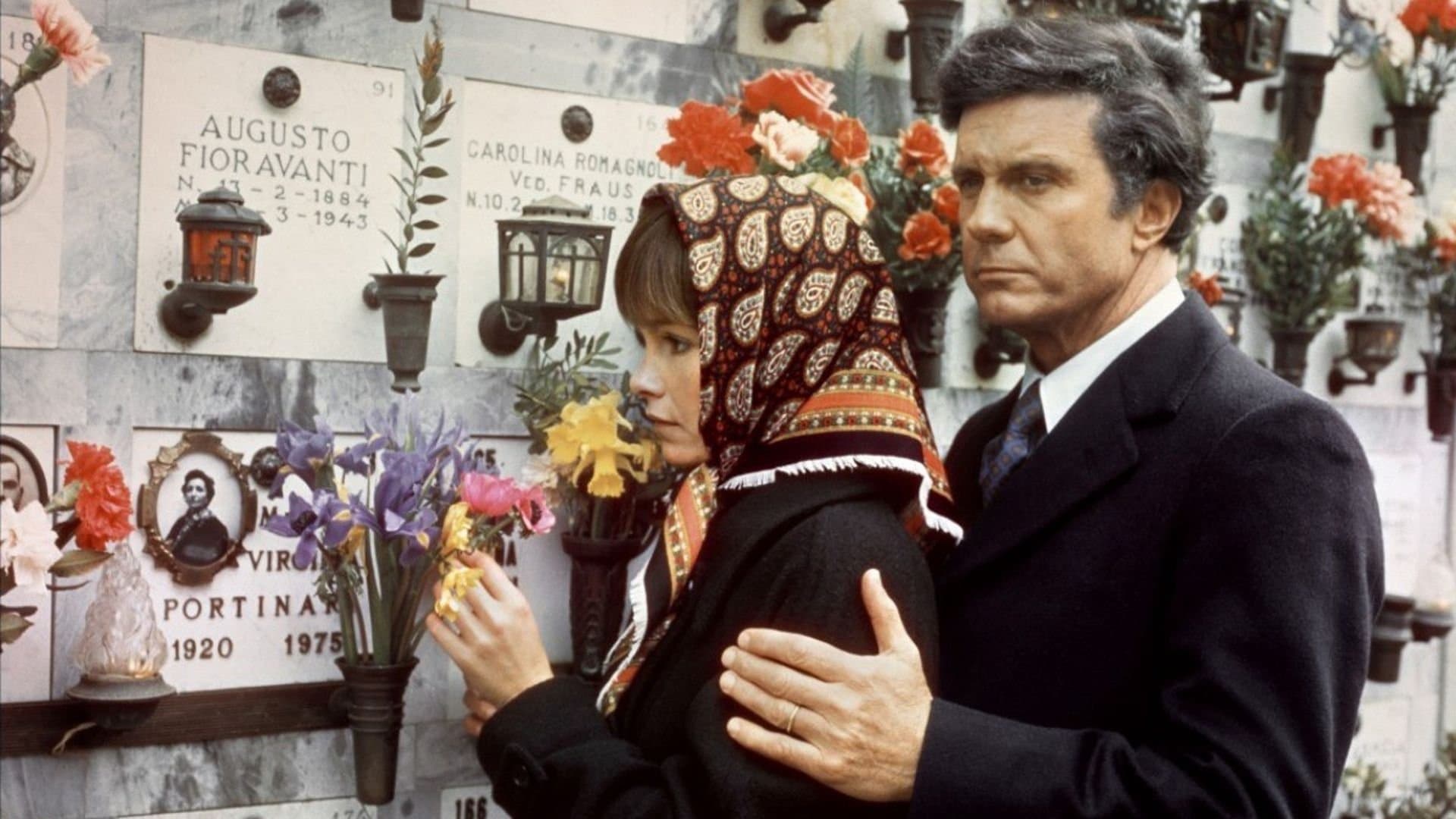
The numbers are staggering, especially when you consider that this isn’t a Marvel sequel, a Star Wars spinoff, or yet another remade cartoon. It’s a moody, stylish, deeply weird thriller about a man named Michael Courtland (Cliff Robertson) who meets a woman who looks exactly like his dead wife. And he does what any reasonable grieving millionaire would do: he becomes obsessed. (The title really does a lot of heavy lifting.) Geneviève Bujold pulls double duty as the late Elizabeth and the mysterious Sandra, and a baby-faced John Lithgow shows up early in his career as a man with questionable motives. The whole thing runs a tight 99 minutes and, per the TMDb crowd, scores a very respectable 6.662/10 - which, let’s be honest, is a solid “pretty good, would rewatch on a rainy Sunday” rating.
So how did a nearly half-century-old art-house creepfest become the unlikely juggernaut of 2026? The short answer is: nobody really knows, and everybody is having an absolute field day guessing. A few theories have floated around, from a viral TikTok editing a dramatic kiss scene to a misplaced release date that accidentally caused a theatrical reissue in several mid-sized markets. But the most popular explanation involves the film’s long-touted influence on modern filmmakers - everyone from Quentin Tarantino to a dozen Netflix thriller directors have name-dropped its famous crane shot - and a sudden surge of interest in “classic mind-benders” after a pair of recent streaming documentaries about 1970s cinema. Whatever the trigger, the result has been a slow, steady, almost nostalgic crawl to the half-billion mark, and Hollywood is paying attention.
Now, let’s be clear: a $500 million haul for a film made on a budget that probably wouldn’t cover a single episode of a mid-tier streaming show is a monumental, eyebrow-raising achievement. It’s the kind of box-office anomaly that makes studio accountants do a double take and then immediately greenlight seventeen similar projects. Word on the street is that several major production companies are scrambling to buy up rights to vintage De Palma - and, predictably, a few other directors’ back catalogs from the same era - in hopes of replicating the magic. Will we get a Carrie reissue bump? A Dressed to Kill 4K restoration with IMAX showings? At this point, anything feels possible.
But the real story here isn’t just the money - it’s the emotion. There’s something sweet and a little strange about a film that was once considered “too weird for mainstream audiences” suddenly becoming the safest bet in theaters. Obsession is not a feel-good movie. It’s about loss, grief, and the kind of fixation that borders on madness. The final act has a twist that still makes people gasp half a century later. It’s a film that demands your attention, and it doesn’t apologize for making you uncomfortable. And apparently, in a year full of loud, flashy blockbusters, audiences are hungry for something quieter and more unsettling.
Cliff Robertson, who passed away in 2011, never got to see this moment, but his performance is clearly a big part of why this film has endured. He plays Courtland with a mix of desperation and restraint that keeps you guessing about his sanity right up until the credits roll. Bujold is luminous and unnerving in equal measure, and Lithgow, who now has a legendary career of his own, is a reminder that even early roles can carry a film’s moral weight. De Palma’s direction - equal parts homage and signature - makes this feel like a lost treasure that audiences have just now discovered they were waiting for.
As of now, the film is still playing in select theaters, and a new streaming push is reportedly in the works. For a movie that’s been around since the Bicentennial, it’s an incredible second act. And if nothing else, it proves a point that old-school Hollywood types have been muttering for years: you can’t predict what audiences will fall in love with next. Sometimes they want explosions. Sometimes they want a 50-year-old story about a man who marries his late wife’s lookalike. Just let that sink in the next time you’re scrolling for something to watch.
Source: IMDb
Gallery