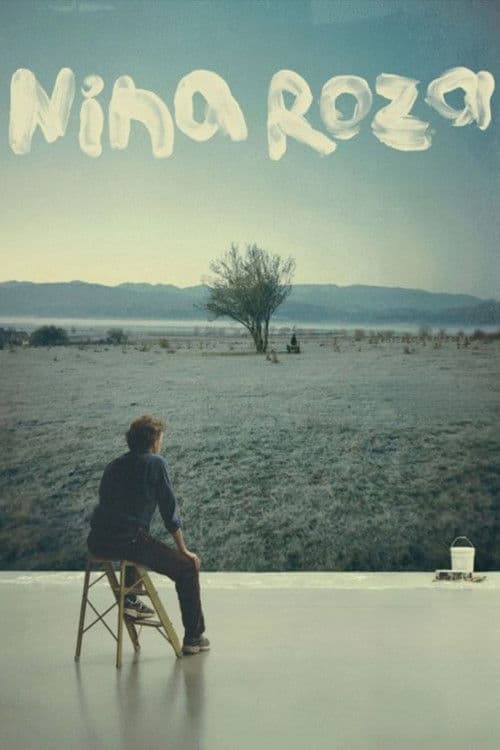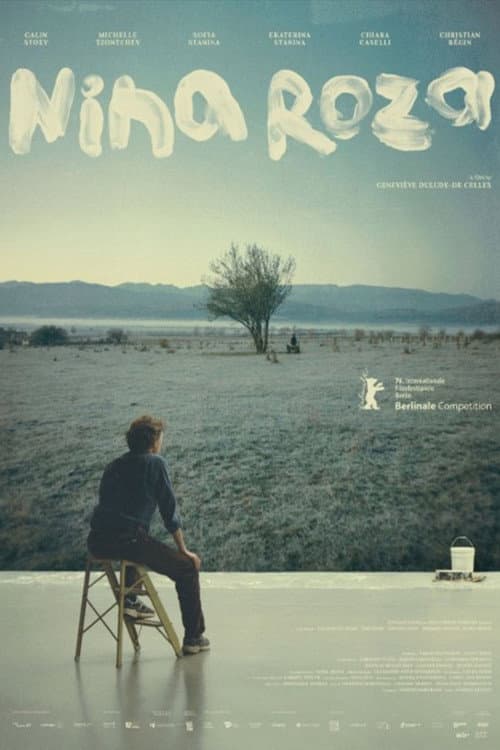
Well, Canada has made its pick for the next Oscars race, and it’s a bit of a curveball that’s got the indie circuit buzzing. The country’s selection committee has officially thrown its weight behind Geneviève Dulude-De Celles’ drama Nina Roza as its submission for Best International Feature Film. It’s a move that swaps out the usual festival-circuit heavyweights for something more intimate, and honestly, that’s kind of refreshing.
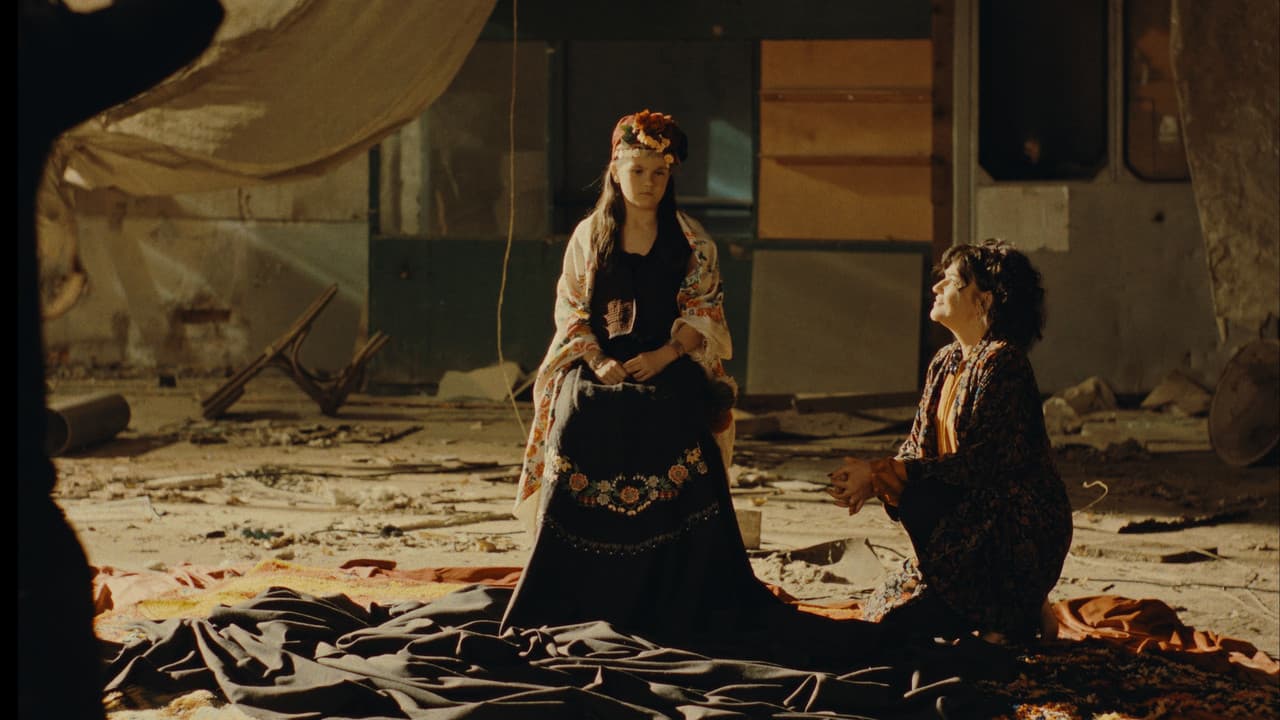
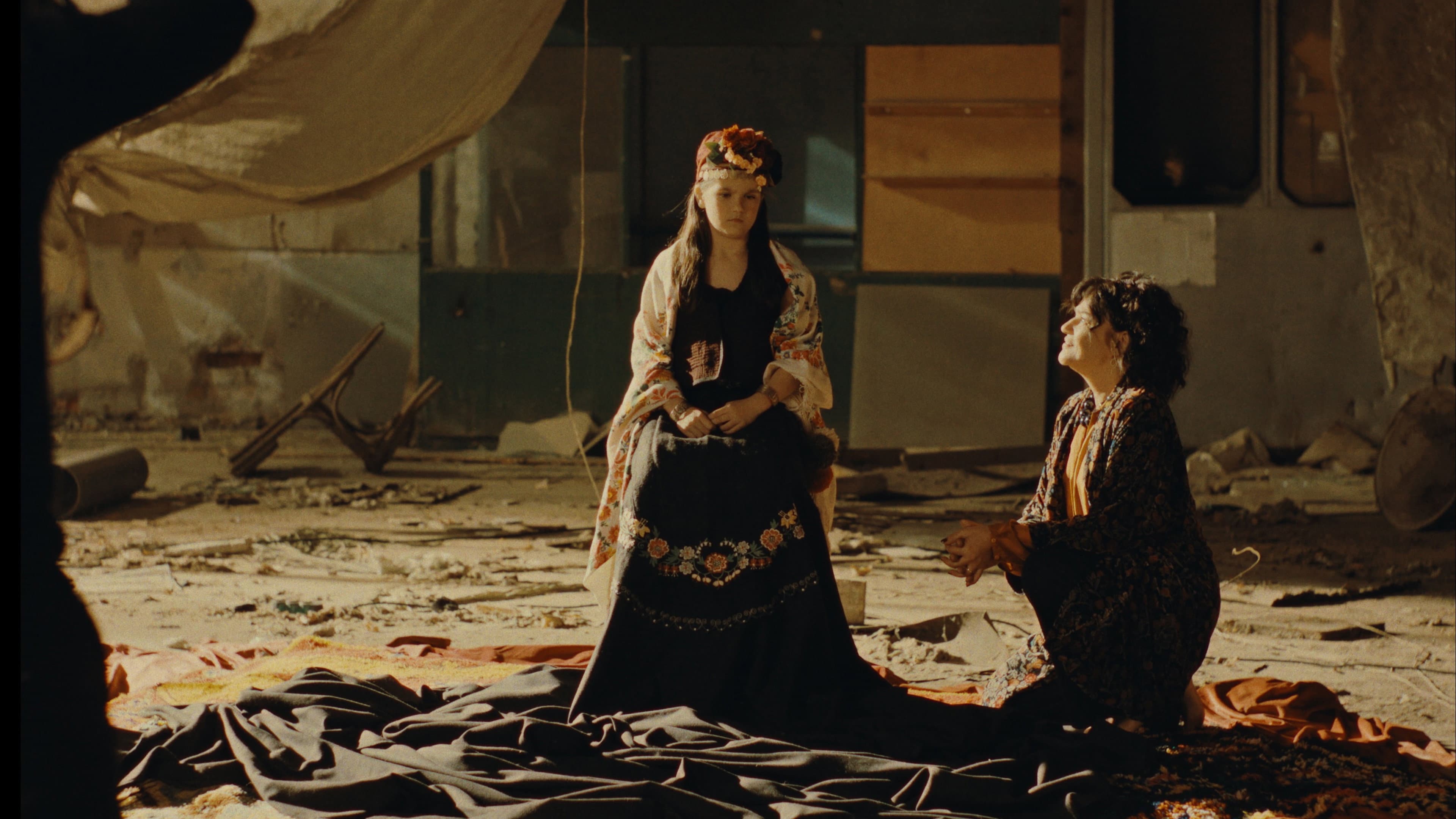
For those who haven’t been tracking this one, Nina Roza is a 103-minute drama that dropped in theaters back on April 24, and it’s already sitting pretty with a perfect 10/10 rating on TMDb - which, let’s be real, is the kind of score that usually makes you double-check if the site’s glitching. But the buzz is real. The story starts with a deceptively simple premise: an eight-year-old Bulgarian artist’s work blows up online, catching the eye of a major art collector. That’s when Mihail, played by the quietly magnetic Galin Stoev, gets sent back to his homeland - a place he hasn’t stepped foot in for three decades - to figure out if this kid’s paintings are the real deal or just viral froth.
But here’s the kicker: this isn’t really a movie about art appraisal. It’s about the ghosts you leave behind when you skip town and never look back. Mihail isn’t just evaluating canvases; he’s colliding with memories of the life he ditched, and Dulude-De Celles uses that tension to build something that feels less like a procedural and more like a slow-burn reckoning. That's the smart play here - it’s a film that hides its emotional gut-punch inside a fairly logline-y setup, which is probably why the committee found it so irresistible.
The cast is a genuinely intriguing mix, too. Alongside Stoev, you’ve got real-life twins Ekatarina and Sofia Stanina splitting the role of Nina - Sofia plays the young artist herself, while Ekatarina steps in as her double, which is a clever bit of cinematic sleight-of-hand that already has people talking. They’re joined by Chiara Caselli as Giulia Mancini, Christian Bégin as the collector, and a supporting roster including Michelle Tzontchev, Mart Lachev, and Nikolay Mutafchiev. It’s one of those ensembles where every face feels purposeful, not just decorative.
Now, for the Canadian film community, this choice is a statement. The country has a habit of sending polished, often French-language productions into the Oscar fray - think Incendies, Mommy, or The Apprenticeship of Duddy Kravitz as distant reference points. Nina Roza is also largely French-Canadian in pedigree, but its heart is squarely in Eastern Europe, both in setting and soul. That’s a bold pivot. It signals that Canada isn’t just looking for the “safe” pick anymore; it wants something that feels like it could resonate with the Academy’s international branch on a more human level, rather than just a technical or historical one.
What’s interesting is the timing. The Oscars are still months away, and the shortlist announcement won't come until late in the year, but this early submission gives Nina Roza plenty of runway to build awards-season momentum. It’s not a huge, flashy studio release - it’s the kind of film that lives or dies by word of mouth, and honestly, that could be its superpower. In a field that often includes massive productions and deeply political documentaries, a quiet drama about a man confronting his past through the eyes of a child prodigy could stand out precisely because it’s not trying to shout.
There’s also something undeniably poetic about the central hook: a viral video changing the course of someone's life. It’s a thoroughly modern concept wrapped in a very classical character study. Mihail’s return isn’t just geographic - it’s emotional archaeology, digging up versions of himself he’d rather forget. And the fact that the trigger is an eight-year-old’s art? That’s the kind of irony that makes for genuinely compelling cinema.
Of course, the Oscars are a crapshoot. Canada has a decent track record - they’ve won the award once, with The Barbarian Invasions back in 2003 - but they’ve also been nominated several times without securing the win. The question now is whether this smaller, quieter film can cut through the noise. It’s got the critical goodwill, a pristine rating, and a director whose previous work (“Goddamn Coloured Water” and the doc Les enfants de choeur) suggests she knows how to handle emotionally layered material with restraint.
So, will Nina Roza be the one that finally breaks through for Canada? Hard to say. But it’s a gutsy, thoughtful choice, and in a year where the international feature category could use a little more heart and a little less spectacle, this might just be the sleeper that surprises everyone. Keep an eye on this one - it’s got the kind of quiet confidence that often plays very well on the Academy floor.
Source: The Hollywood Reporter