Monstrous Me (2026) - Ariel Baska's Wild Preview
Dive into Monstrous Me (2026): Ariel Baska's twisted comedy-horror. Get the plot, cast, and why this film is the year's must-watch freak show.
Photo: TMDb
Somewhere between a childhood trauma and a full-blown pop-culture awakening lies one of the most provocative short documentaries of the year. Monstrous Me isn’t your typical festival-circuit soul-searcher. It’s a 16-minute gut punch that reimagines disability, disfigurement, and identity through the blood-soaked lens of a VHS classic. And honestly? It might be the most compelling thing you watch all weekend.
Release Date & Where to Watch
Mark your calendars: Monstrous Me hits the world on August 9, 2026. That’s today, folks. The documentary premieres on the festival circuit and will be available for streaming on select platforms that same day. Given its intimate runtime and deeply personal scope, you won’t find it in multiplexes - but that’s kind of the point. This is the kind of work that thrives in the quiet corners of your living room, best watched with the lights dimmed and your phone in another room. Check your local art-house streaming services, VOD platforms, and film festival channels; it’s also slated to appear in curated shorts programs throughout the fall.
Cast & Crew
At the helm is director Ariel Baska, who also stars as themself - and that dual role is no accident. Baska’s vision is deeply autofictional, a term that’s been floating around literary circles but rarely hits documentary with such force. Joining them on screen are Jules Rico, Ashley Myers, and Camila Franco Ribeiro Gomide, all listed as “self.” It’s a tight ensemble for a tight film, and there’s a sense that every face in this project earned their place not through auditions, but through lived connection to the story being told.
Make no mistake: this is Baska’s baby. They wrote it, directed it, lived it. The crew is small, scrappy, and clearly working on something that feels urgent. There’s a raw, DIY energy to Monstrous Me that big-budget documentaries often polish away. That’s a compliment.
Story & What to Expect
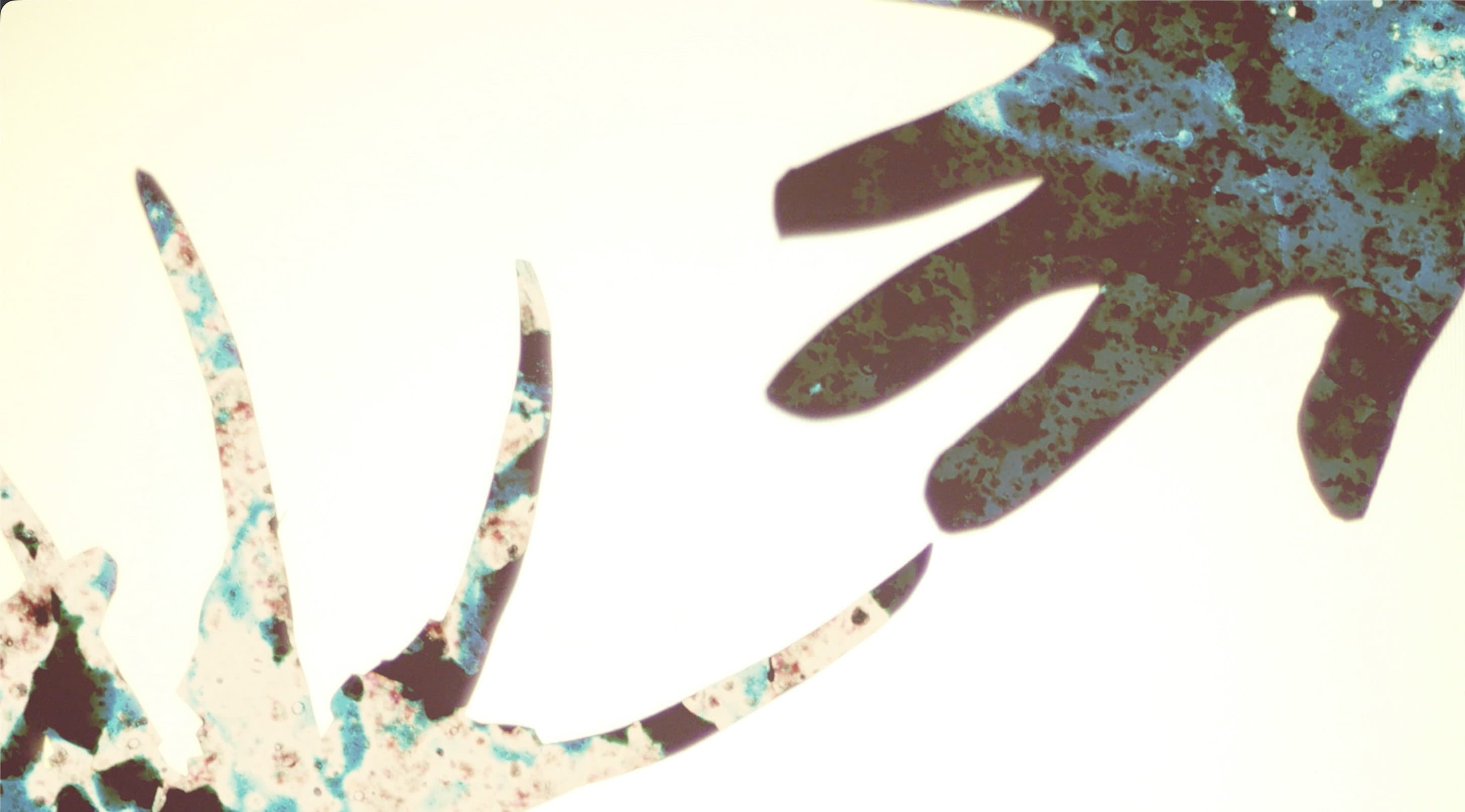
Here’s the logline that’ll stop you mid-scroll: When Ariel was a disabled and disfigured child of three years old, a bad babysitter brought over a bag of weed, her boyfriend, and a VHS of A Nightmare on Elm Street. From under the coffee table, through the railings, Ariel saw themselves in that Zenith television, in the face of Freddy Krueger, and decided there was agency in being a monster rather than a martyr.
Let that sink in for a second. A toddler, already marked by the world as “other,” finds their first mirror in a burned, bladed-gloved killer. It’s not a sad story, though. Not really. It’s a story of reclamation. Baska uses this formative moment as a springboard to explore how we choose our own narratives, especially when society hands us a script written in pity.
Expect a blend of home-video-style nostalgia, dreamlike reenactments, and talking-head interviews that feel more like late-night conversations than formal sit-downs. There are moments of gallows humor - how could there not be, with Freddy Krueger as a childhood idol? - but also a tender, defiant melancholy that lingers. The 16-minute runtime is a blessing; it’s lean, mean, and leaves you wanting more. You won’t get a tidy moral. You’ll get a thesis, argued with ferocity and wit: that the label “monster” can be a shield, a weapon, and sometimes even a crown.
The documentary’s visual language is deliberately grainy in parts, as if ripped from that old Zenith’s screen. Sound design plays with distorted lullabies and the faint hum of CRT static. It’s immersive, unsettling, and weirdly cozy - like a horror movie you watched too young and never quite shook off.
Why It's Worth Watching
In a documentary landscape crowded with trauma narratives that demand your tears, Monstrous Me asks for something braver: your understanding. It refuses the role of victim, and in doing so, flips the script on disability representation in film. This isn’t a story about overcoming. It’s a story about becoming - and the radical act of choosing your own iconography, even if that icon wears a striped sweater and murders teens in their dreams.
Baska’s central argument is electrifying: if the world sees you as broken, why not lean into the metaphors of power that horror offers? Freddy Krueger wasn’t a hero, but he was undeniable. He had agency. He controlled the dreamscape. For a three-year-old who had no control over their body, their appearance, or the adults around them, that must have looked like salvation.
The film also works as a sharp commentary on the '80s babysitter-industrial complex. That generation of latchkey kids raised on slasher VHS tapes was essentially a massive, unsupervised focus group for trauma-as-entertainment. Baska turns that generational quirk into a personal mythology, and it’s frankly a joy to watch someone claim their own monstrous identity with such glee and precision.
It’s a conversation starter, too. Watch it with a friend, and you’ll likely argue about the ethics of horror icons as role models, the line between empowerment and glorification, and whether we all have a little Freddy in us. The TMDb rating is a clean zero right now, but that’s just because nobody’s logged it yet. Give it a day. This one’s going to find its audience fast.
Monstrous Me is not a gentle film. It’s not soft. It’s a 16-minute incendiary device wrapped in VHS static, designed to make you squirm, smile, and rethink everything you thought you knew about monster movies. Watch it. Then tell everyone you know.