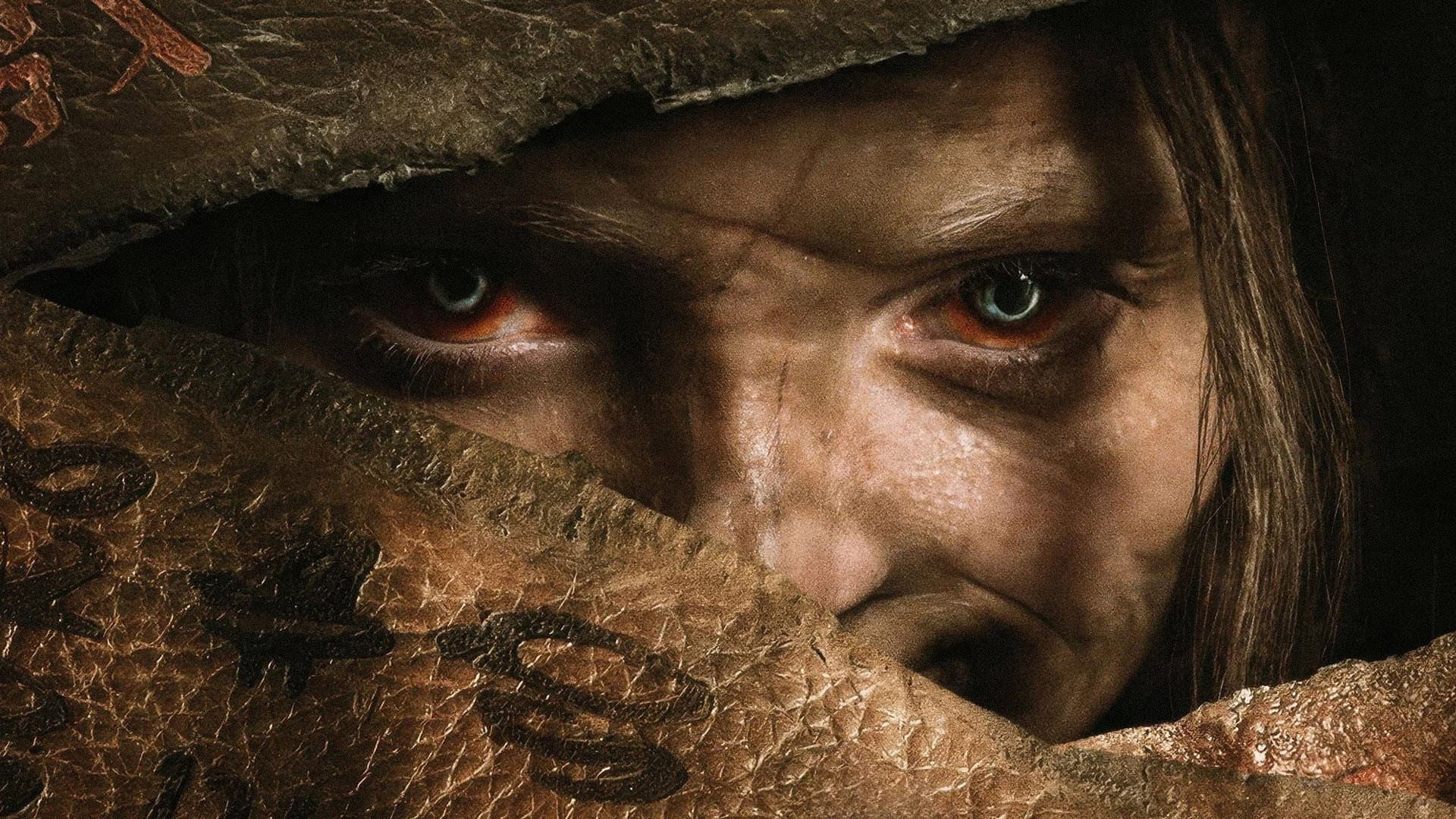
Photo: TMDb
Lee Cronin's The Mummy: First Look & Plot Theory
There are certain cinematic images that just stick to your bones. For my money, the most haunting one of the year so far isn’t a jump-scare face or a monster reveal. It’s a little girl, standing at the edge of a desert highway at dusk, perfectly still, her clothes somehow pristine after eight years of being gone. The family that lost her is frozen in disbelief. The audience is frozen in dread. Because we know - even before her father whispers her name - that this isn’t a miracle. It’s a delivery.
Lee Cronin’s The Mummy, which has been crawling its way through theaters since April, doesn’t just reboot a classic monster. It takes the bones of that classic and reanimates them with the sort of visceral, folk-horror dread that Cronin perfected in The Hole in the Ground and cranked to eleven in Evil Dead Rise. This isn’t your granddaddy’s Boris Karloff picture, and it certainly isn’t the Brendan Fraser action-adventure romp. This is a 133-minute slow-burn psychological nightmare that asks a brutal question: what do you do when the thing you prayed for comes back, and it isn’t your daughter anymore?
The setup is deceptively simple. Charlie Cannon (Jack Reynor), a jaded journalist, and his wife Larissa (Laia Costa) have spent eight agonizing years trying to piece their lives back together after their daughter Katie vanished into the endless expanse of the desert. They’ve moved, they’ve grieved, they’ve started a fragile semblance of a new life with their two younger kids. Then, out of nowhere, the call comes. Katie has been found. She’s alive. She’s coming home.
And that’s where the movie grabs you by the throat and refuses to let go. Natalie Grace, as the returned Katie, delivers the single most unsettling child performance since Danny Lloyd in The Shining. She’s not malevolent in the way we expect. She’s just... off. Her affect is flat. Her memories are just slightly too perfect, like a tourist’s postcard of a life she never lived. She calls her mother by her first name. She speaks ancient tongues in her sleep. And she has a strange, magnetic pull on the other children, particularly her younger brother Sebastián (Shylo Molina), who starts whispering about the "lady with the bandages" who lives inside his sister’s shadow. It’s the kind of performance that makes you feel like you need a shower, but you’re too scared to leave the movie theater.
Cronin wisely understands that the greatest horror here isn’t the supernatural elements - although when they come, they are staggeringly grotesque. The real horror is the family unit fracturing in real time. Reynor is phenomenal as a father whose relief is constantly at war with a primal, screaming instinct that something is wrong. He’s a journalist, a man of logic, but his heart is telling him that his little girl is back, and his guts are telling him that the thing sleeping in her bed is wearing her skin. Laia Costa matches him beat for beat as a mother who clings so fiercely to her returned child that she’s blind to the rot. When Detective Dalia Zaki (a superb May Calamawy) starts digging into the case, asking questions about ancient burial rites and a "Magician" (played with eerie grace by Hayat Kamille) who was spotted near the dig site where Katie vanished, the family’s refusal to see the truth becomes its own form of tragedy.
This is where The Mummy truly earns its keep. It’s not content to just scare you; it wants to depress you in the most profound way. The film leans hard into its Mystery genre, peeling back layers of archaeological lore and desert mysticism like a decaying onion. We learn about the Magician, not as a supernatural force, but as a practitioner of a very old, very desperate form of magic. There’s a sequence involving a mirror in the family’s suburban living room that is pure Cronin - a masterclass of tension built on reflection and what lies just out of frame. Another involving a scarab made of salt that had the audience I was with audibly gasping. For a 133-minute runtime, it never feels bloated; every scene tightens the screw.
Unsurprisingly, the film has been a critics' darling, boasting a stellar 7.895 rating on TMDb, and it’s easy to see why. It’s a movie that respects its audience enough to let the terror simmer. It plays with the trope of the "changeling," but grounds it in the very real grief of a broken family. The visual language is stunning - vast, empty desertscapes that feel like they’re swallowing hope, cutting to claustrophobic, dimly lit suburban interiors that feel equally suffocating. This is a story about mummies that treats its monster with a terrifying reverence. The final act, which I won't spoil, redefines the classic "reanimation" for a modern age, hinging on a decision that will haunt you long after the credits roll.
Look, if you want a fun, quippy movie about a cursed amulet, that’s fine. But if you want to watch a family psychologically cannibalize itself while something ancient and patient smiles from the shadows, Lee Cronin's The Mummy is the most unsettling, rewarding horror you’ll see this year. Just don’t watch it before bed. Trust me.