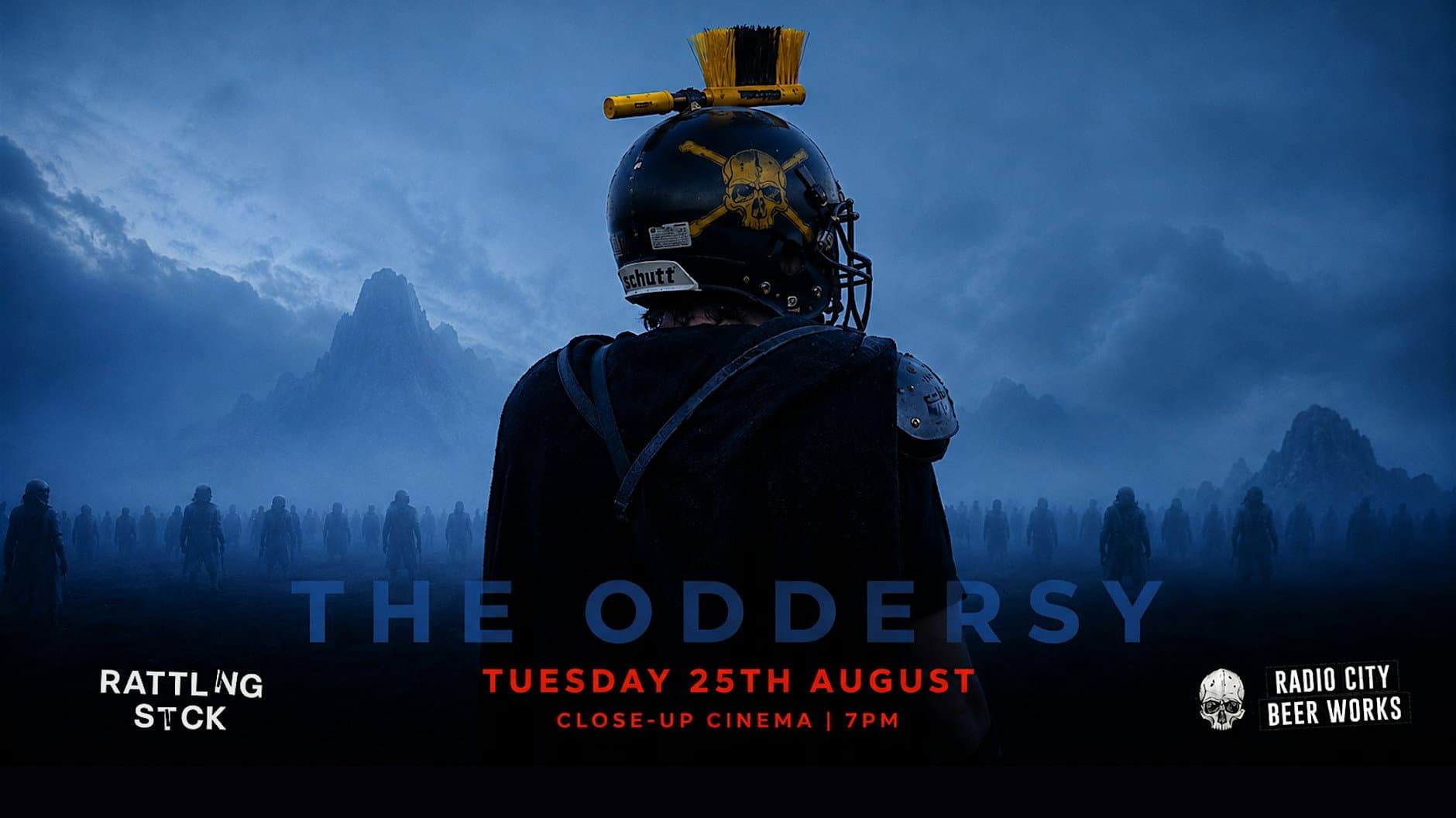
Ladies and gentlemen, dust off your Joy Division records and prepare your finest black polo neck, because August 25, 2026, just got a whole lot more atmospheric. Today marks the official release of Joy Division: Apollo Theater, Manchester 27 and 28th October 1979. Yes, that’s the exact title, and it’s a mouthful of pure, post-punk poetry. This isn’t just another archive drop; it’s a time machine back to a moment when Manchester was the dark, rain-soaked epicenter of the musical universe, and four lads from Salford were about to change everything.
Release Date & Where to Watch
The film hit select theaters and digital platforms today, August 25th, 2026. It’s a special event for the faithful, so don’t expect a random Saturday night cable slot. This is a curated, cinematic experience designed for the big screen and the loudest speakers you own. Since the runtime is a deliciously mysterious “unknown” at this stage, we’re guessing this is a full double-feature experience. Think of it as a two-night concert film marathon, packaged into one glorious, brooding event.
You’ll want to check your local independent cinema listings for one-off screenings, as that’s where the true magic happens. For the homebodies, it’s available across all the major VOD platforms - Apple TV, Amazon Prime Video, and the usual digital suspects. But here’s the advice from your friends at MovieBuzz News: if you can catch this in a theater with a proper sound system, do it. You want the bass from Peter Hook’s six-string to hit you in the chest like it did in ’79.
Cast & Crew
The lineup here is a holy trinity of Manchester legends. You’ve got the incomparable Anton Corbijn in the director’s chair. Yes, the same visionary behind the stunning Control (the 2007 Ian Curtis biopic) and the atmospheric The American with George Clooney. Corbijn knows the Joy Division aesthetic better than anyone alive; he was there, photographing them, capturing the monochrome bleakness that defined their image. Having him curate and direct this footage is a match made in Heaven (or perhaps, more appropriately, a rain-soaked bog on the Pennines).
And of course, the band themselves. Front and center is the magnetic, tragic Ian Curtis, whose baritone croon and herky-jerky, seizure-like dance moves were the stuff of legend. Alongside him, the engine room: Peter Hook on bass (those soaring, melodic leads), Bernard Sumner on guitar and keyboards (the cold, krautrock-inspired textures), and Stephen Morris on drums (the metronomic, machine-like precision). This isn’t a retrospective with talking heads; this is the real deal, the four of them, live, raw, and terrifyingly brilliant.
Story & What to Expect
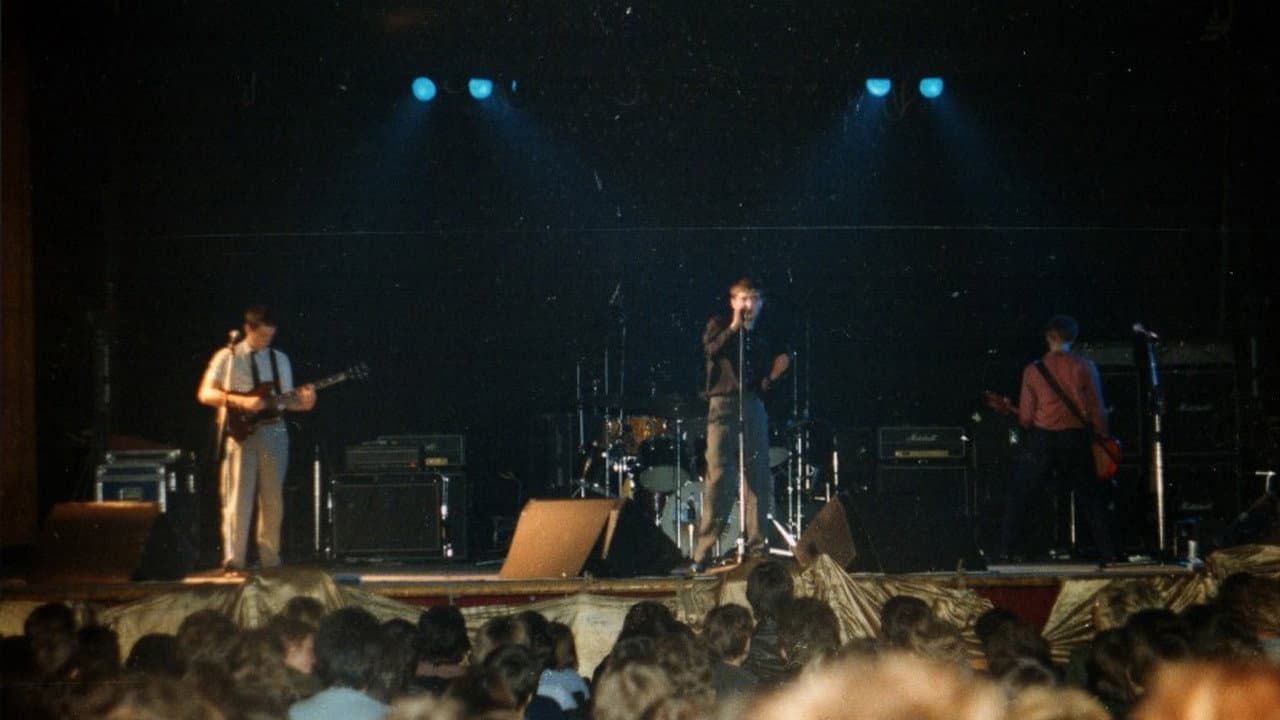
The pitch is simple, but the execution is everything: “The full uncut shows, previously released in low quality.” Let’s be honest, fellow obsessives - we’ve all squinted at grainy, tenth-generation VHS rips of Joy Division concerts, trying to decipher the magic through a haze of static and audio hiss. This is the antidote. Corbijn has gone back to the original master tapes - filmed over those two famous nights in October 1979 at the Apollo Theater in Manchester - and restored them to a level of clarity we never thought possible.
What’s the story? It’s not a linear narrative. It’s a sonic document. We’re talking about two full sets from a band at their absolute peak, just months before Closer was recorded. The setlists from that era were killer. Expect early versions of tracks that would become anthems: the claustrophobic dread of “Disorder,” the hypnotic pulse of “Transmission” (a song that famously premiered around this time), the devastating power of “Shadowplay,” and the sheer, relentless drive of “She’s Lost Control.”
Forget the flashy lights and stadium bombast of modern concerts. This is a band playing in a haze of dry ice, mostly standing still, with the spotlight locked on Curtis as he twitches and jerks, lost in the music. The sound is dense, claustrophobic, and utterly hypnotic. This is the sound of a band running on pure artistic adrenaline, knowing they were creating something that outlasted them all. The “story” is one of historical preservation. It’s the story of a legend being given the respect it always deserved.
Why It’s Worth Watching
Look, you don’t need to be a died-in-the-wool Joy Division fanatic to appreciate this. If you care about the history of rock music, if you’ve ever listened to U2, Radiohead, or Interpol and wondered where that brooding, spacious sound came from, this is your Rosetta Stone. This is a chance to see a band that was literally rewriting the rules of rock in real-time, at the very moment they were doing it.
The fact that it’s directed by Corbijn elevates it from a simple archival release to an art installation. He understands the visual language of Joy Division - the stark black and white, the deep shadows, the uncomfortable intimacy. He’s not just showing you a concert; he’s showing you a moment in time when the future of music was being forged in a cold, industrial English town.
And there’s the elephant in the room - the tragic weight of it all. Watching Curtis, knowing his fate just a few short months later in May 1980, gives every gesture, every lyric, a profound poignancy. It’s like watching a comet, knowing it’s about to burn out. This isn’t just a gig; it’s a haunting. It’s a document of a bright, brilliant flame that was extinguished way too soon. So, grab a dark ale, dim the lights, and let the melancholy wash over you. This is as good as music history gets.