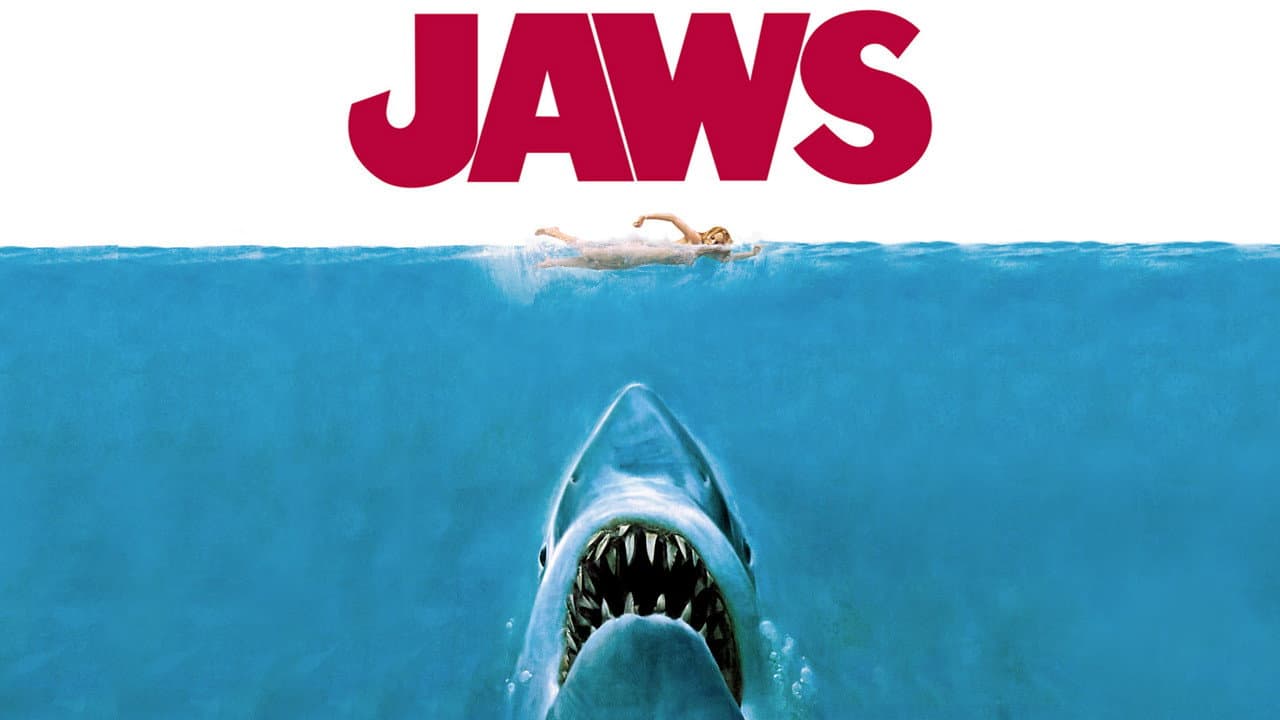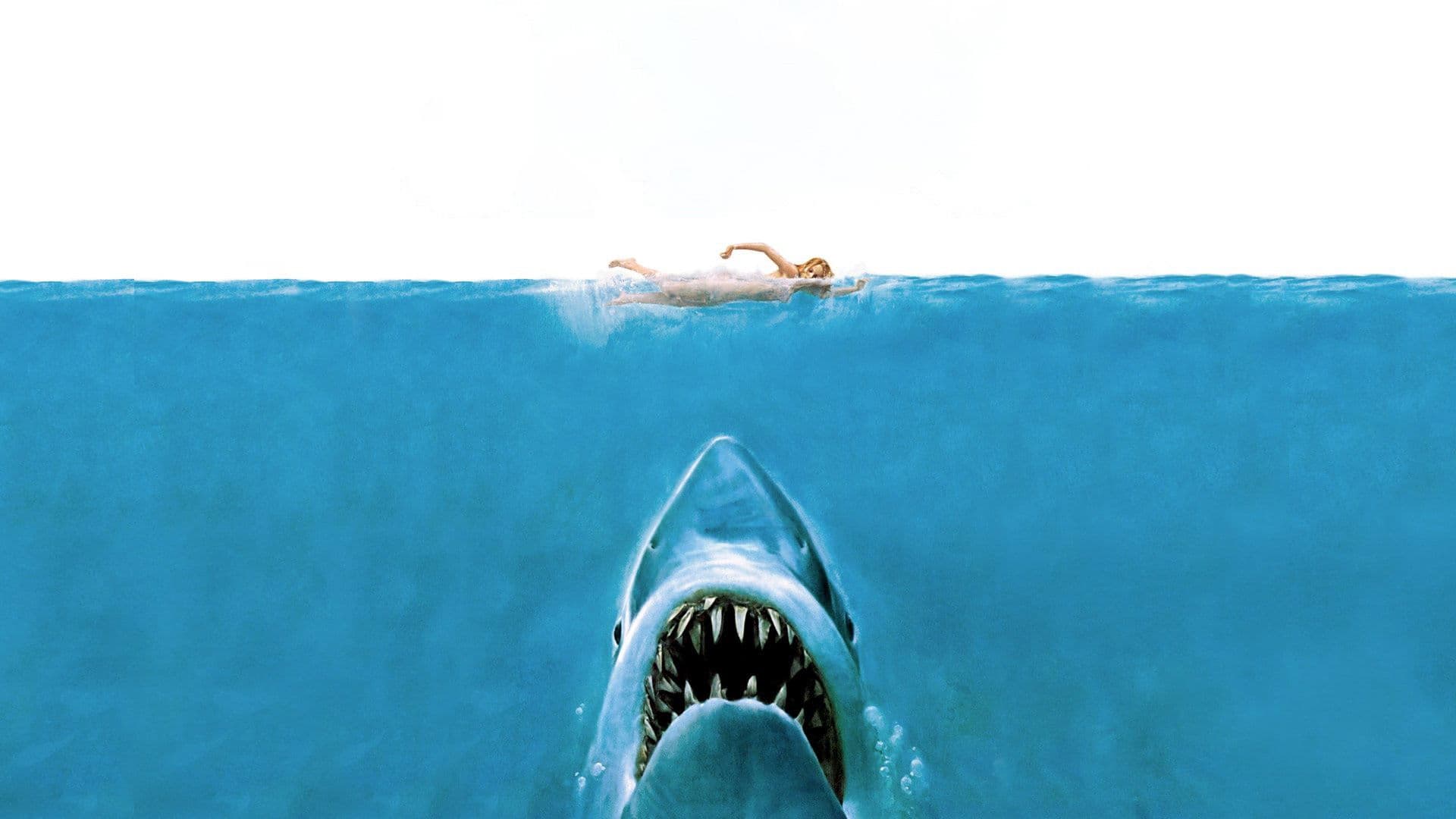
Jaws (1975): Spielberg's Shark Thriller Still Bites
Director
Steven Spielberg
Language
EN
Release
1975-06-20
Runtime
124 min
Dive into why Steven Spielberg's Jaws remains the ultimate summer blockbuster - its iconic score, terrifying shark, and timeless suspense.
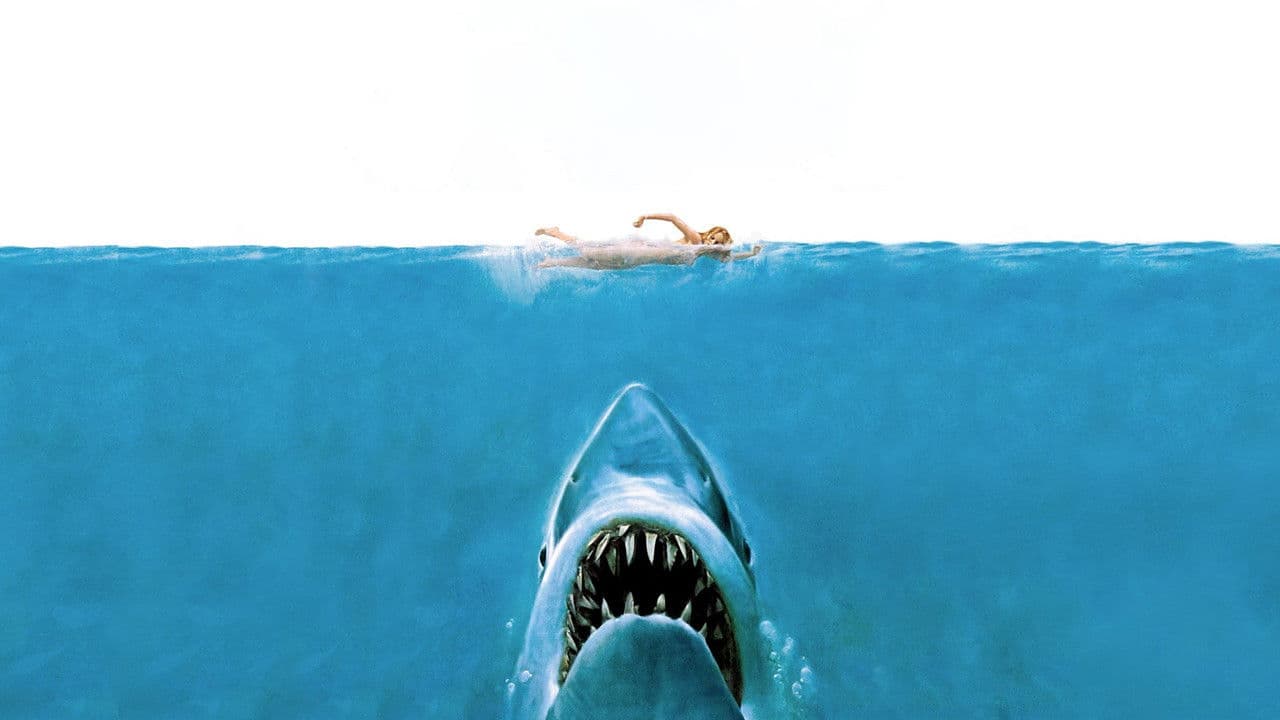
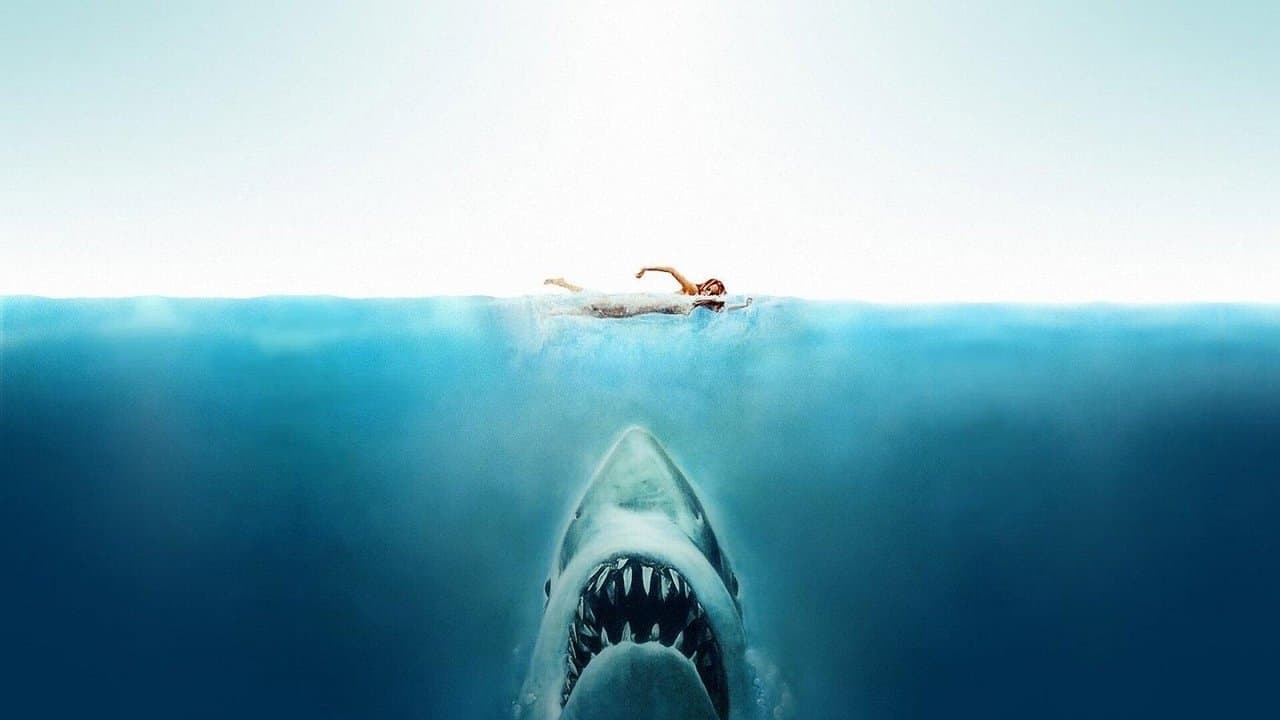
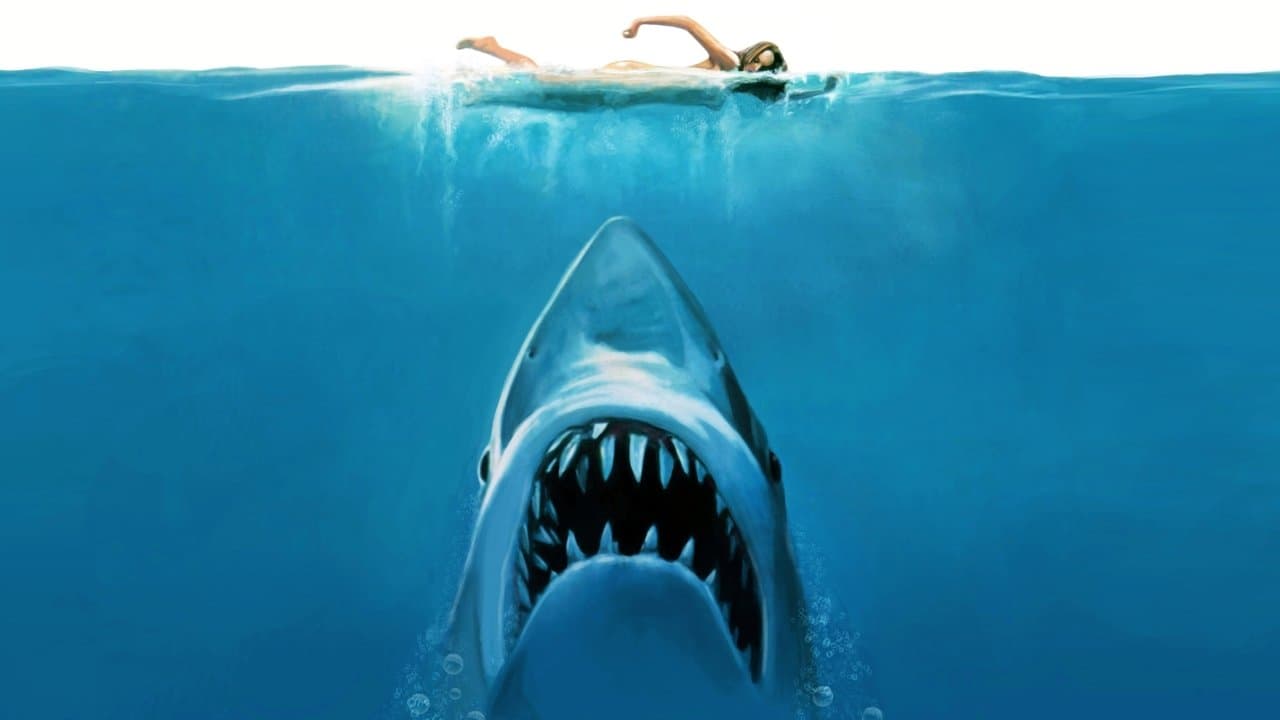
Fifty-one years after a mechanical great white shark named Bruce first terrorized moviegoers in Steven Spielberg’s 1975 masterpiece Jaws, real-life scientists are taking a page out of the blockbuster’s playbook - but with a very different goal in mind. While the film had Chief Brody, Hooper, and Quint hunting a relentless predator off the coast of Amity Island, researchers in the United States are now betting big on the opposite approach: using sharks to keep people safe.
The new initiative, which has been generating buzz in marine biology circles, leans into the very fear that Jaws ingrained in popular culture. That iconic score - two ominous notes that still make swimmers glance nervously at the water - turned sharks into Hollywood’s ultimate villains. But the scientists behind this project are hoping to flip the script, using the animals’ natural instincts and sensory abilities to protect beachgoers rather than threaten them.
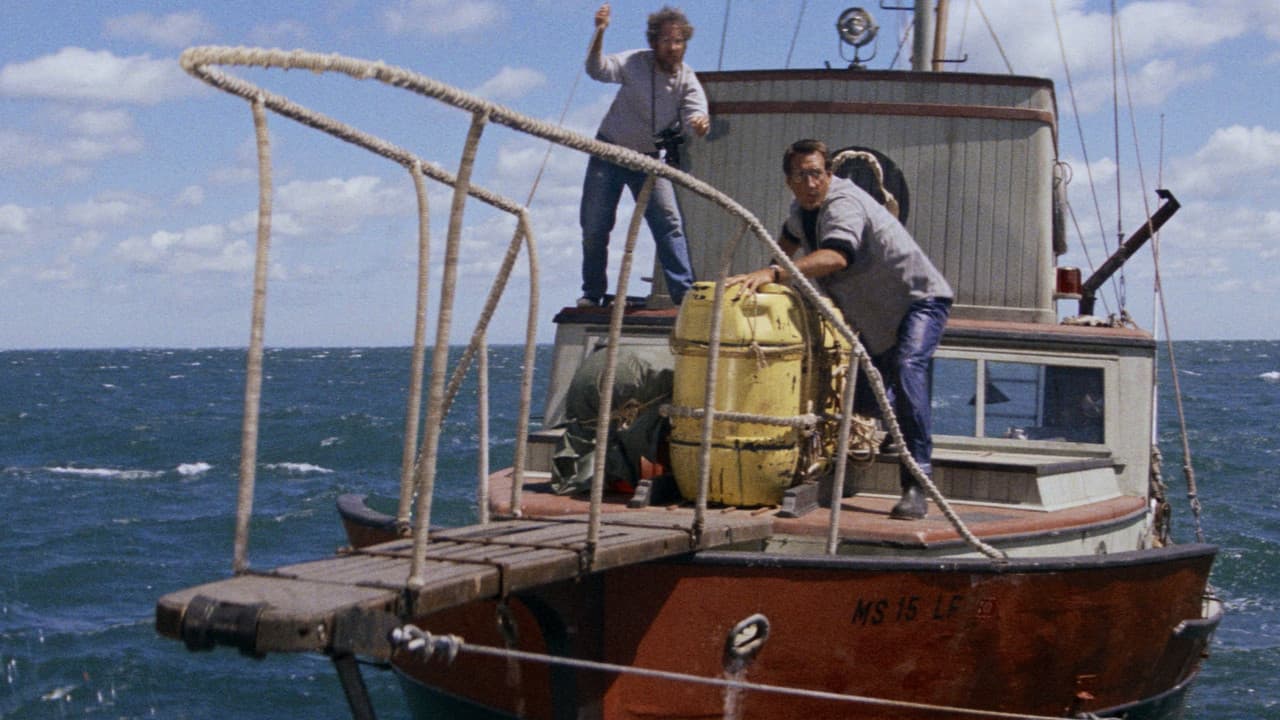
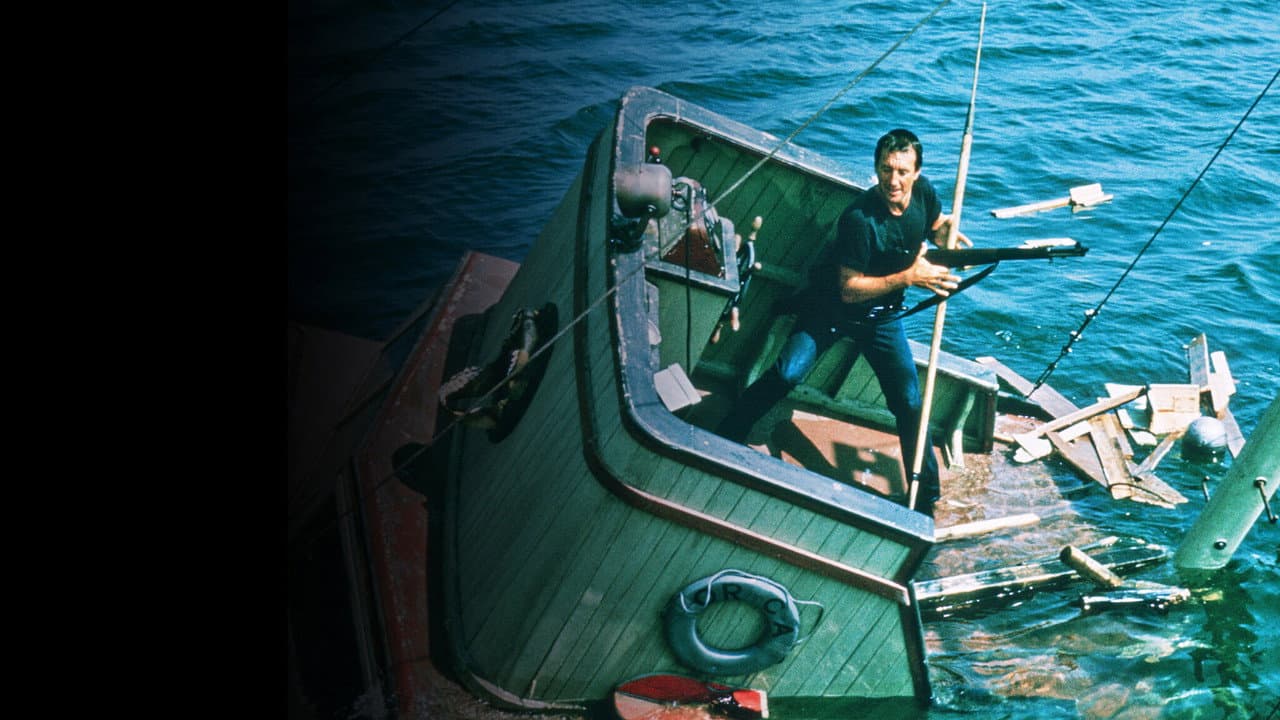
Here’s the twist: instead of hunting sharks, the plan involves deploying them as unwitting guardians. The core idea is that by tracking shark movements in real time, researchers can provide early warnings to coastal communities. If a great white is swimming close to a popular swimming spot, lifeguards and local authorities could be alerted instantly, giving them time to clear the water before any potential encounter. It’s a far cry from the film’s climactic sinking of the Orca, but it’s a practical use of the same apex predators that once sent chills down the collective spine of a generation.
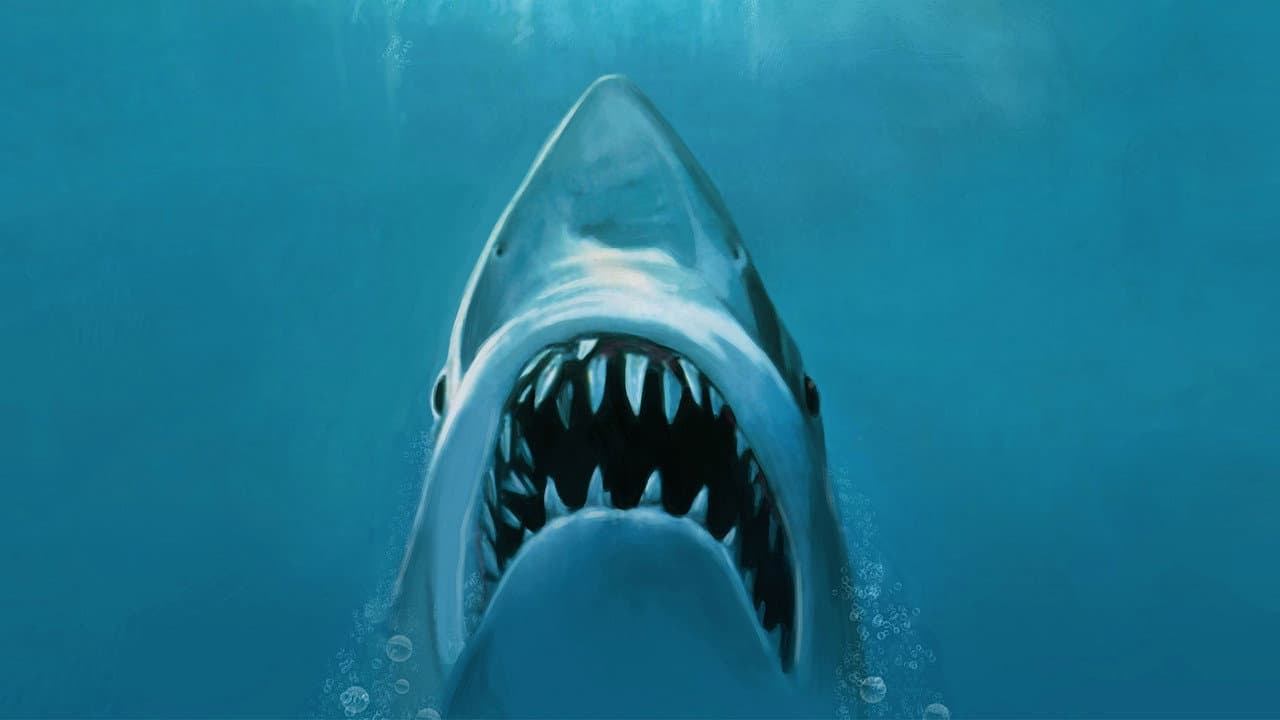
That legacy is hard to shake. Jaws remains a cultural touchstone decades after its release. The film’s plot - a small seaside town grappling with a series of vicious attacks - was simple yet devastatingly effective. Spielberg, then a young director with something to prove, turned a malfunctioning animatronic shark into a lesson in suspense. The less audiences saw of Bruce, the scarier he became. That approach paid off, turning the film into a box office phenomenon and earning it a permanent place in cinematic history.
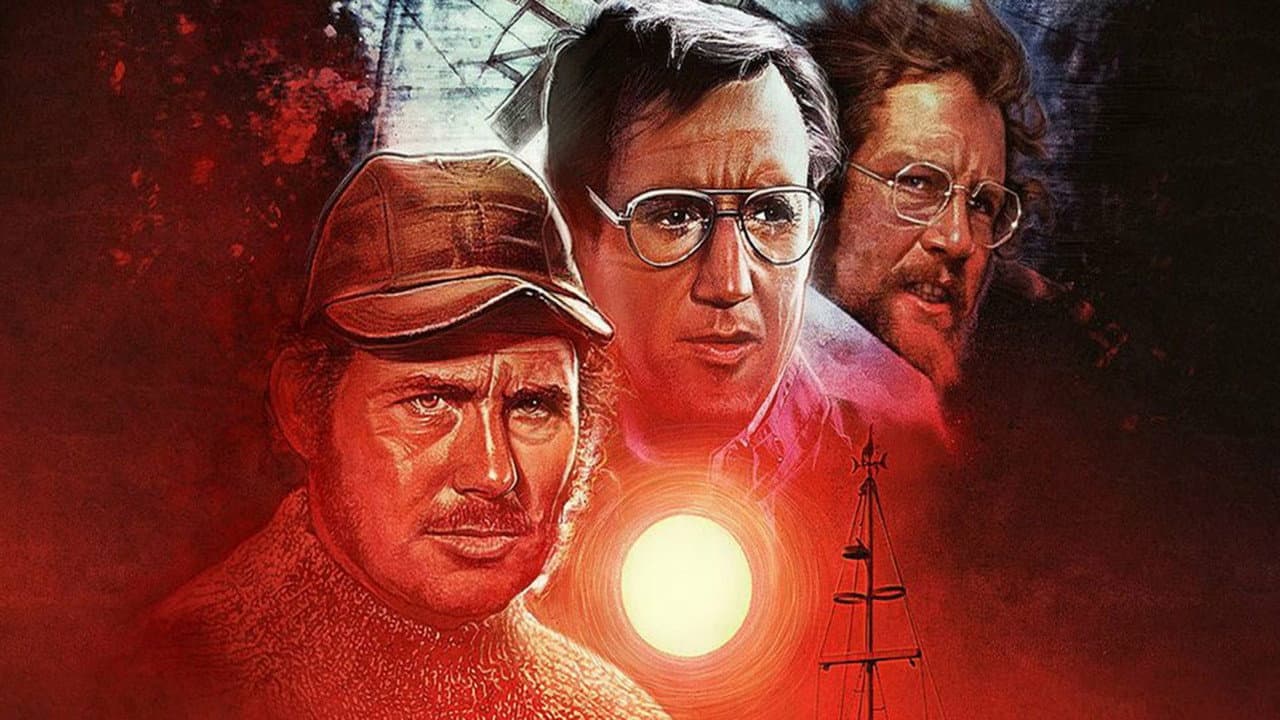
The cast helped cement its legend. Roy Scheider’s weary but determined Police Chief Brody gave audiences everyman heroism, especially with that immortal line about needing a bigger boat. Robert Shaw’s Quint was a salty, obsessive shark hunter whose Indianapolis monologue remains one of the most chilling scenes in film. And Richard Dreyfuss’s Hooper brought the scientific perspective, the guy who knew sharks weren’t mindless killers - even if the movie’s climax suggested otherwise. The supporting players, from Lorraine Gary’s Ellen Brody to Murray Hamilton’s clueless Mayor Vaughn, rounded out a town that felt uncomfortably real.
The film’s runtime of 124 minutes flies by, a masterclass in pacing that balances character development with escalating terror. It’s horror, thriller, and adventure all rolled into one, a combination that helped it earn a TMDb rating of 7.683 out of 10. Critics and audiences alike have kept it in the conversation for over five decades, and its influence is everywhere, from countless shark-themed knockoffs to the annual Shark Week programming that dominates cable TV every summer.
Now, the real-world science is catching up to the fiction. The researchers betting on this new strategy aren't just relying on gut instinct; they’re using modern tracking tags, underwater drones, and data analytics to follow shark patterns with unprecedented precision. The hope is that the same creatures that once inspired terror can now become part of a coastal safety network. It’s a pragmatic, almost poetic evolution.
Of course, the irony isn’t lost on anyone. The film that made millions afraid to go into the water is now inspiring efforts that could make those same waters safer. The scientists acknowledge the pop-culture baggage, but they’re quick to point out that the real animal is far more complex than the silver-screen monster. They’re not out to cage or kill sharks; they’re looking to coexist, using knowledge as a shield.
It’s a bold bet, and one that would have seemed unthinkable in 1975. Back then, the only warning system was Quint’s harpoon and Brody’s rifle. Today, it’s a network of sensors and a team of experts who see sharks less as villains and more as partners in coastal management. Whether the public will embrace this new narrative remains to be seen. Old fears die hard, especially ones that have been drilled into our brains by one of the greatest films ever made.
But if the scientists are right, the next time someone hears those two famous notes, they might just be hearing the sound of a safety alert, not a death knell. That would be a twist even Spielberg might appreciate. For now, the project remains in its early stages, but the potential is enormous. From Amity Island to the real-world beaches of America, it seems the shark’s story is far from over - it’s just being rewritten.
Source: The Economic Times
Gallery