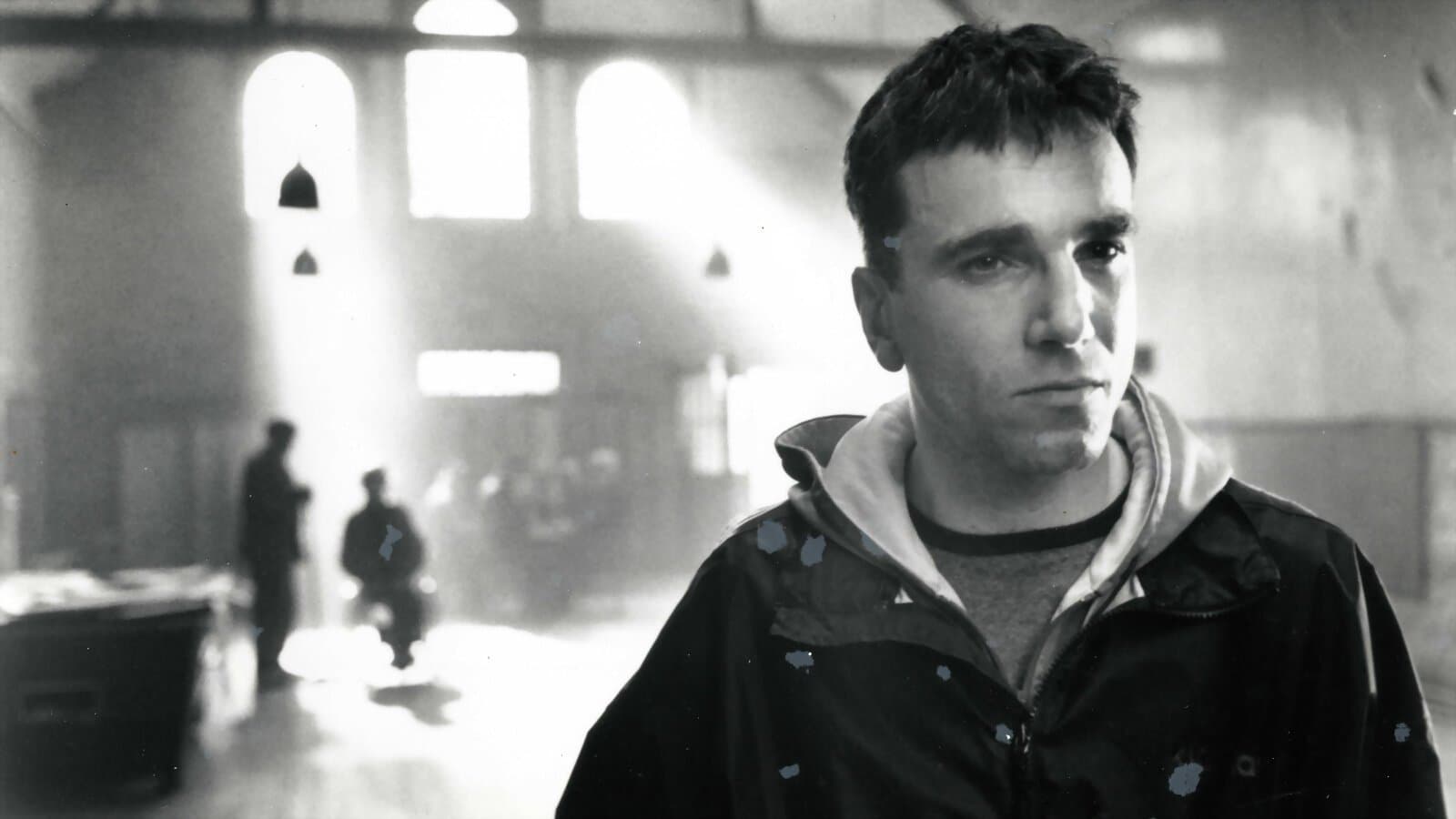
Method Acting Madness: Stars Who Went All In
Discover the Hollywood elite who took method acting to extremes - from Christian Bale's weight loss to Jared Leto's creepy gifts. Wild stories inside!
Isabelle Huppert once said that acting is about “the art of not being yourself.” But a handful of Hollywood’s most committed stars have taken that philosophy to extremes that border on the absurd, the dangerous, and occasionally the genuinely brilliant. Method acting - the Stanislavski-derived technique where performers immerse themselves so deeply into a role that they refuse to break character even when the cameras stop rolling - has given us some of cinema’s most indelible performances. It has also given us stories that sound too wild to be true. On this July day in 2026, let’s tip our hats to the actors who went all in, sometimes to the point of no return.
The Shape-Shifter Who Never Blinked
Start where method acting meets mythology: Daniel Day-Lewis. The man retired years ago, but his legend still looms larger than any Oscar he collected. For “My Left Foot,” he insisted on staying in a wheelchair between takes, and crew members had to carry him around the set. For “The Last of the Mohicans,” he learned to build canoes, skin animals, and fire a musket so accurately he could hit a target from 40 yards. For “Lincoln,” he stayed in character for the entire shoot - meaning every lunch break was spent speaking in 19th-century cadences, correcting anyone who called him “Daniel.” He once said that preparing for a role felt like “climbing a mountain,” and he clearly never took the chairlift. The man didn’t break character for “Gangs of New York” either. He insisted on being called “Bill the Butcher” by everyone, including director Martin Scorsese. At one point, he contracted pneumonia because he refused to wear a modern coat between takes. That’s dedication. That’s also alarming.
When Joker Bleeds
Heath Ledger’s portrayal of the Joker in “The Dark Knight” remains the gold standard for dangerous method work. Ledger locked himself in a hotel room for weeks, keeping a journal filled with the character’s twisted logic, and developed that horrifying flicker of the tongue - a tic born from sheer psychological strain. He told interviewers that the voice arrived when he realized the Joker “didn’t care about anything,” and once he had it, he couldn’t shake it. The sleep deprivation, the isolation, the mania - it all bled into the performance. “I couldn’t stop thinking about him,” Ledger admitted. “My body was exhausted, and my mind was still going.” Of course, the tragedy of his death before the film’s release cast a long shadow over the conversation. But the point remains: the Joker we saw on screen was not acting. It was possession.
The Skinny on Christian Bale
Christian Bale is the human accordion of method acting. His body has been stretched, shrunk, and reshaped for roles in ways that doctors probably frown upon. For “The Machinist,” he dropped to 120 pounds (that’s 54 kilograms for the metric crowd), surviving on an apple and a can of tuna per day. Then he turned around and bulked up to 220 pounds for “Batman Begins.” But the mental commitment was just as extreme. On the set of “American Psycho,” he insisted that everyone treat him like Patrick Bateman between takes. He stayed in character so long that the crew started to avoid him. “I was in a pretty dark place,” Bale later admitted. His dedication reached peak absurdity on “Terminator Salvation,” when he unleashed a furious on-set tirade at a cinematographer - not because he was angry, but because he was still in character as John Connor. That audio recording went viral, and Bale apologized publicly. But the guy never half-stepped.
Jared Leto: The Gift That Keeps on Giving
Love him or hate him, Jared Leto’s method antics are legendary. For “Suicide Squad,” he sent his co-stars bizarre “gifts” in character as the Joker: a live rat to Margot Robbie, a used condom to someone on the crew, and a dead pig to the entire cast. He insisted the crew call him “Mr. J” on set. He also refused to break character for any reason, which made basic production meetings uncomfortable. Leto later said he was just trying to “keep everyone on their toes,” but many co-stars have quietly admitted they found it more annoying than immersive. His turn as a transgender woman in “Dallas Buyers Club” was similarly committed - he lost 30 pounds, shaved his eyebrows, and refused to speak as Jared for the entire shoot. He even wore the same dress in public to avoid breaking the spell. Is it genius or madness? Maybe it’s both.
The Quiet Obsession of Jim Carrey
Comedy actors don’t often get the method-acting respect they deserve, but Jim Carrey’s transformation into Andy Kaufman for “Man on the Moon” was a case study in total possession. Carrey refused to respond to his own name on set, insisted on performing as Kaufman’s obnoxious alter ego Tony Clifton, and even stayed in character during a real talk show appearance. He has said that at a certain point, he “couldn’t tell where Jim ended and Andy began.” The role reportedly triggered depression and a sense of losing himself that lasted years. Carrey called it “a dangerous place to live for that long.” But the performance was uncanny.
When Methods Go Too Far
Method acting can create magic - Ledger’s Joker, Day-Lewis’s Abraham Lincoln, Bale’s Dick Cheney in “Vice.” But it can also create chaos. The late Philip Seymour Hoffman once refused to leave his character’s depressed state between takes, and it took a toll on his health. Shia LaBeouf went full method for “Fury,” pulling out his own tooth and not bathing for weeks. Even the masters have conceded that it’s not always necessary. At the end of the day, it’s a tool - one that some actors use responsibly, and others treat like a chainsaw at a garden party.
Today’s Hollywood is shifting. With rising awareness about mental health and the push for safer sets, fewer A-listers are willing to literally lose themselves for a role. But the stories remain. They remind us that great acting isn’t just about lines and lighting - it’s about a willingness to go somewhere dark, and find a way to come back.
Source: USA Today