The Odyssey Review: Hollywood Clichés Sink Epic Film
The Odyssey drifts into cliché-ridden waters. Our review breaks down how the epic tale loses its mythic power to tired tropes and predictable beats.
The Odyssey drifts into cliché-ridden waters. Our review breaks down how the epic tale loses its mythic power to tired tropes and predictable beats.
Hollywood has a long and storied tradition of taking ancient myths and pumping them full of modern cinematic steroids, and the latest filmmaker to take a swing at Homer’s The Odyssey is apparently aiming for a home run that lands somewhere in the shallow end of the pool. The result, according to early buzz from behind-the-scenes chatter and festival whispers, is less "epic journey of self-discovery" and more "greatest hits of every blockbuster you've already seen." It’s a case of a timeless story being swallowed whole by the very machine that was supposed to bring it to life.
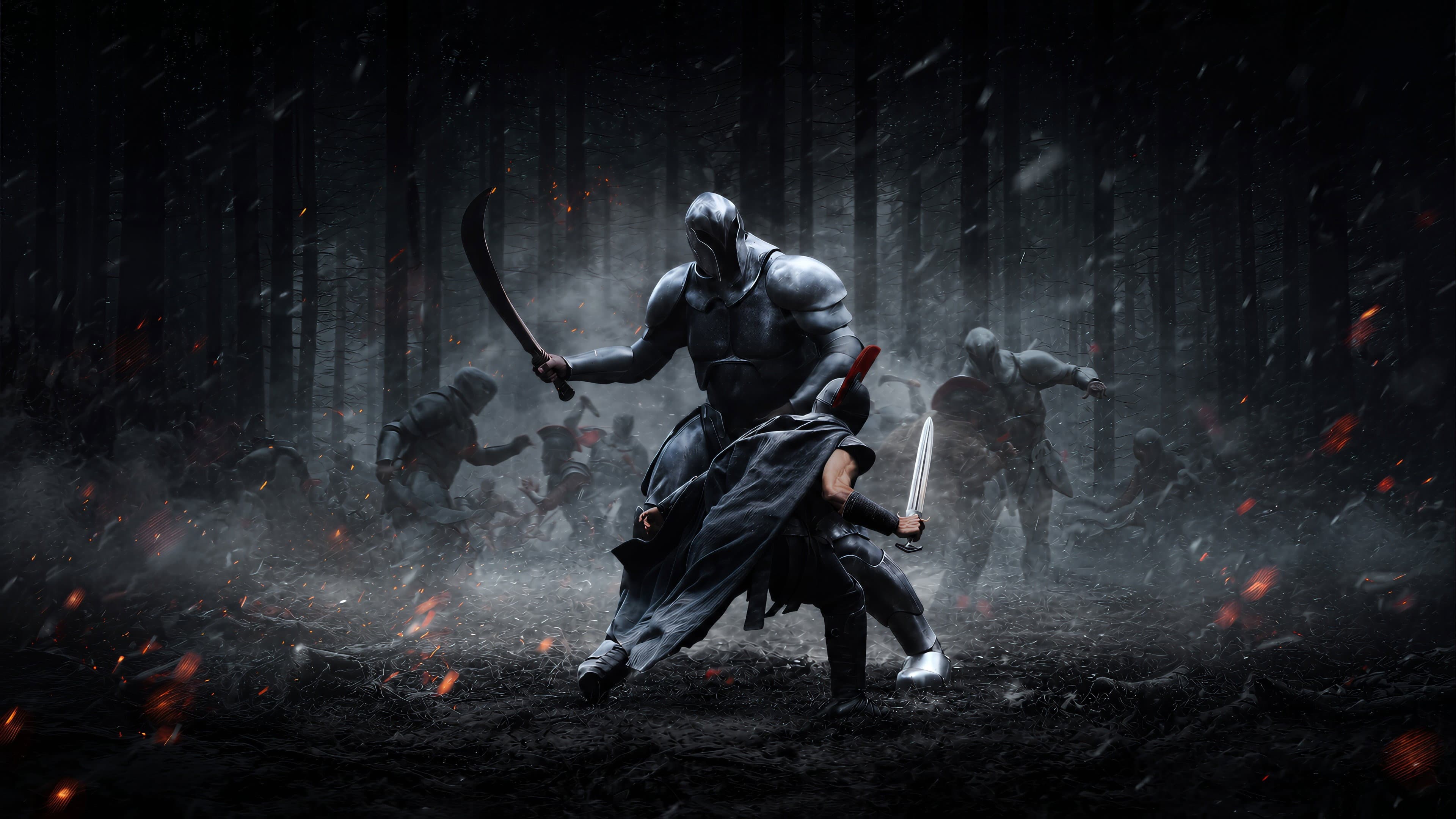
The core issue, as described by industry insiders and early preview audiences, isn’t a lack of ambition - it’s a surplus of borrowed spectacle. The director, whose previous work has been praised for gritty realism, appears to have traded that grounded sensibility for a visual language that feels like a collage of Gladiator, Troy, and a splash of Pirates of the Caribbean. You want a CGI sea monster? Check. A clanging, slow-motion battle sequence on a beach? Absolutely. A brooding, misunderstood hero who delivers his lines like he’s reading a fortune cookie? You bet. The sad irony is that Homer’s original is bursting with wild, strange, and deeply human moments that needed no assistance from a spectacle-obsessed studio. Instead, we’re reportedly getting a polished, predictable ride that knows exactly which emotional buttons to mash, even if it loses the soul of the story along the way.
The casting, too, seems to be a lesson in algorithmic star power rather than inspired choices. We’ve got a lead who can absolutely sell a tortured grimace and a thousand-yard stare, but who is reportedly struggling to convey the cunning, restless intelligence that makes Odysseus such a compelling trickster. The supporting cast, while packed with familiar faces, feels less like a Greek pantheon and more like a superhero team-up roster, with each actor seemingly hired for their existing fanbase rather than their ability to play a cyclops-blinding, siren-resisting hero’s crew. It’s the kind of casting that gets a poster made and a marketing meeting excited, but which can leave you wondering if anyone actually read the script out loud before cameras started rolling.
The narrative itself has reportedly been streamlined to within an inch of its life. Gone are the sprawling, episodic detours that give the epic its texture. In their place, we have a linear A-to-B structure that ticks off boxes: "Hero leaves," "Hero faces obstacle," "Hero has a dramatic speech about wanting to go home." The emotional depth of Penelope’s patient waiting, the tragedy of the fallen crewmates, and the raw, awkward reunion that should feel earned are reportedly flattened into tidy, family-friendly beats. This is The Odyssey as imagined by someone who thinks a Greek god is just a guy in armor with a cool accent. The result is a film that tells you it’s about the journey, but is secretly obsessed with the destination: the big, explosive, crowd-pleasing finale.
It’s a crying shame, because the source material is practically begging for a weird, wild adaptation. Where are the drugged-out lotus eaters, the witch turning men into pigs, the descent to the underworld? These moments of strangeness are precisely why the poem has survived for nearly three millennia. To sand them down into generic "world-building" and "set pieces" is to miss the point entirely. This version reportedly has all those scenes, sure, but they’re rendered with the kind of safe, sterile gloss that makes them feel like attractions at a theme park rather than genuine trials of the human spirit. You can almost hear the director’s commentary in your head: "And here, our hero learns a valuable lesson about temptation."
There is a glimmer of hope, however. Early word suggests that the performances of the supporting female characters, particularly those playing Athena and Circe, are genuinely engaging. They’ve managed to find some spark in the material, grounding their scenes in a more playful, sharper register that feels like it belongs in a different movie. Their presence hints at a version of the film that could have been: one with wit, danger, and a bit of actual Greek tragedy. But as it stands, they feel like lifeboats on a ship that’s already taking on water.
Ultimately, this new Odyssey looks set to be the kind of film that plays well in a packed Friday night theater, delivering on a promise of spectacle and earning a round of satisfied applause. But when the lights come up, the lingering question will be whether you’ve seen Homer’s epic or just a competent, expensive imitation. In stripping away the weirdness and the messy human complexity, the filmmaker has crafted a product that’s perfectly fine, which is perhaps the most disappointing fate for a story that deserves to be truly, gloriously strange. It’s a classic case of a great journey being reduced to a smooth, efficient flight - no turbulence, but also no wonder.
Source: BG Independent News