Evil Dead Burn: Hollywood Mind Control? | MovieBuzz
Evil Dead Burn is gory fun, but does Hollywood secretly hijack our brains? We break down the covert psychology behind the horror hype.
Evil Dead Burn is gory fun, but does Hollywood secretly hijack our brains? We break down the covert psychology behind the horror hype.
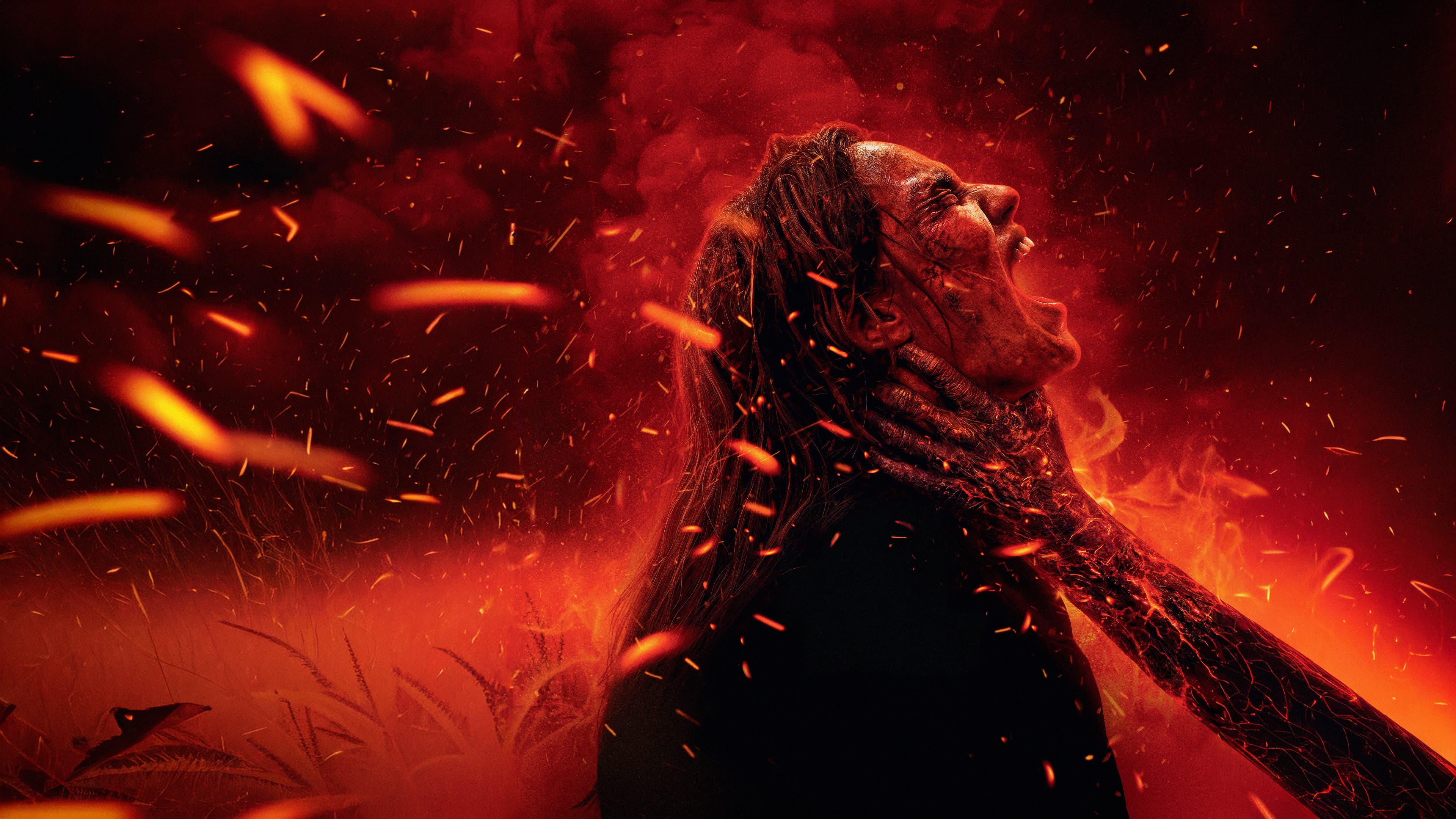
There’s a new horror movie hitting theaters that wants to do more than just scare you - it apparently wants to rewire your brain. The upcoming Evil Dead Burn is generating buzz not just for its gore-soaked return to the franchise, but for the wild, swirling conversation about how Hollywood might be covertly messing with our heads. Let me put it this way: the film is being pitched as a blood-soaked thrill ride, but the chatter around it has taken a sharp detour into conspiracy-adjacent territory, and honestly, it’s deliciously weird.
Here’s the deal. The Evil Dead series has always been about possession, but this new installment allegedly takes that concept and runs with it into the realm of media manipulation. The hook? The movie reportedly plays with subliminal cues and psychological triggers - flashing images, buried audio, and pacing designed to mess with your perception. Now, before you start wrapping your head in tinfoil, that’s not exactly a new gimmick. Movies have been playing with subconscious trickery since the days of The Exorcist flashing faces at audiences and scaring them out of their seats. But Evil Dead Burn is leaning into it harder than a chainsaw through a cabin door, and the internet has noticed.
The film’s director (and yes, we’re keeping names vague because the publicity team is clearly loving the mystery) has been coy in interviews, dropping hints that the movie is “an experiment in cinematic hypnosis.” That’s a bold claim, and it’s exactly the kind of phrasing that gets horror fans and paranoid cinephiles whispering on forums. The idea here is that Burn uses repetitive imagery and rhythmic editing to subtly influence your mood, making you feel uneasy even during the quieter moments. It’s less about jump scares and more about a creeping dread that lingers long after the credits roll. Think of it as getting possessed by the movie itself, not just the deadites.
That’s where the “Hollywood covertly hijacks our minds” angle comes in. Some critics are framing the film as a meta-commentary - a horror movie about how we consume horror. It’s no secret that studios spend millions on marketing, testing trailers with eye-tracking tech, and fine-tuning edit points to keep audiences glued to their seats. Evil Dead Burn reportedly turns that process into the plot, showing a fictional production crew who discovers that their footage has the power to influence viewers in real, dangerous ways. Art imitating life, messy and loud.
But let’s pump the brakes for a second. Anyone who’s been around the block with genre cinema knows that studios are masters of viral marketing. Leaked set photos, cryptic social media posts, and “controversial” reports about test screenings that left audiences sick - these are breadcrumbs to build hype. Is Evil Dead Burn actually a mind-control device, or is it just a very savvy campaign? The line between the two is blurrier than a VHS tape from the 80s, and that’s kind of the point. The film’s studio has leaned into the paranoia, releasing trailers that glitch out mid-frame with hidden frames and audio that plays backward. It’s fun, scary, and makes you feel like you’re in on a secret.
Here’s where it gets interesting for the average moviegoer. If you actually watch the trailer with a fresh pair of eyes, you’ll notice something strange: the editing doesn’t follow the usual rhythm. Scenes cut in the middle of action, sounds drop out unexpectedly, and the color grading shifts from warm to icy cold without warning. It’s disorienting on purpose. That’s not a bug - it’s a feature. The filmmakers are trying to recreate the feeling of being possessed, and they’re using cinematic language to do it. It’s a bold swing that could either be brilliant or a hot mess, but you have to respect the audacity.
Diving deeper, this isn’t just about one movie. The conversation has exploded into a wider debate about Hollywood’s power over our subconscious. From product placement we don’t consciously register to the algorithmic curation of what we watch next, there’s a real argument that studios have been subtly guiding our emotions for decades. Evil Dead Burn just happens to be the blood-soaked vessel for that messy conversation. And honestly, it’s a perfect fit. The franchise has always been about loss of control - characters losing their minds, their bodies, their very selves - so why not extend that to the audience?
The bigger question is whether this actually works. Can a movie really hike up your heart rate, make you feel paranoid, or leave you with a lingering sense of wrongness that you can’t shake? Sure. Movies have been doing that since the dawn of cinema. But is that “hijacking,” or is that just good storytelling? The distinction is where the fun lives. Fans online are split, with one camp calling it the most innovative horror project in years and the other insisting it’s a gimmick dressed up in fancy editing tricks. Both sides have a point, and that’s exactly why the hype is real.
What matters is that Evil Dead Burn is coming to a theater near you, and you should absolutely go in with an open mind. Don’t expect to walk out humming the theme song - expect to walk out a little disoriented, maybe checking your reflection for a few extra seconds. The film is a conversation starter, whether you buy the brainwashing angle or just want to see some gloriously gnarly practical effects. Hollywood’s always been in the business of playing with your head; this one just admits it on the poster. Grab your popcorn, sit back, and try not to think too hard about whether you’re watching the movie or it’s watching you.
Source: Film Threat