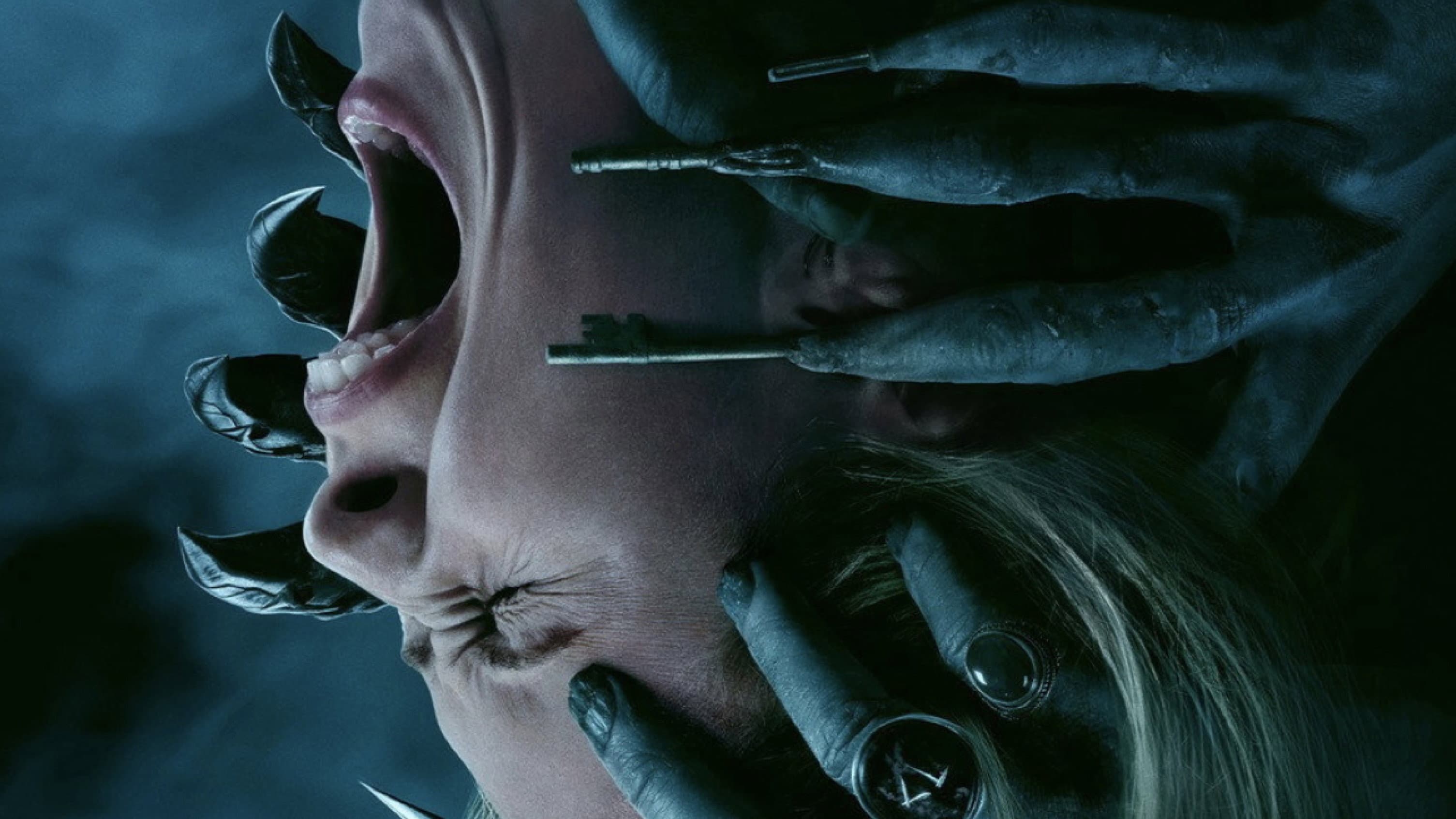
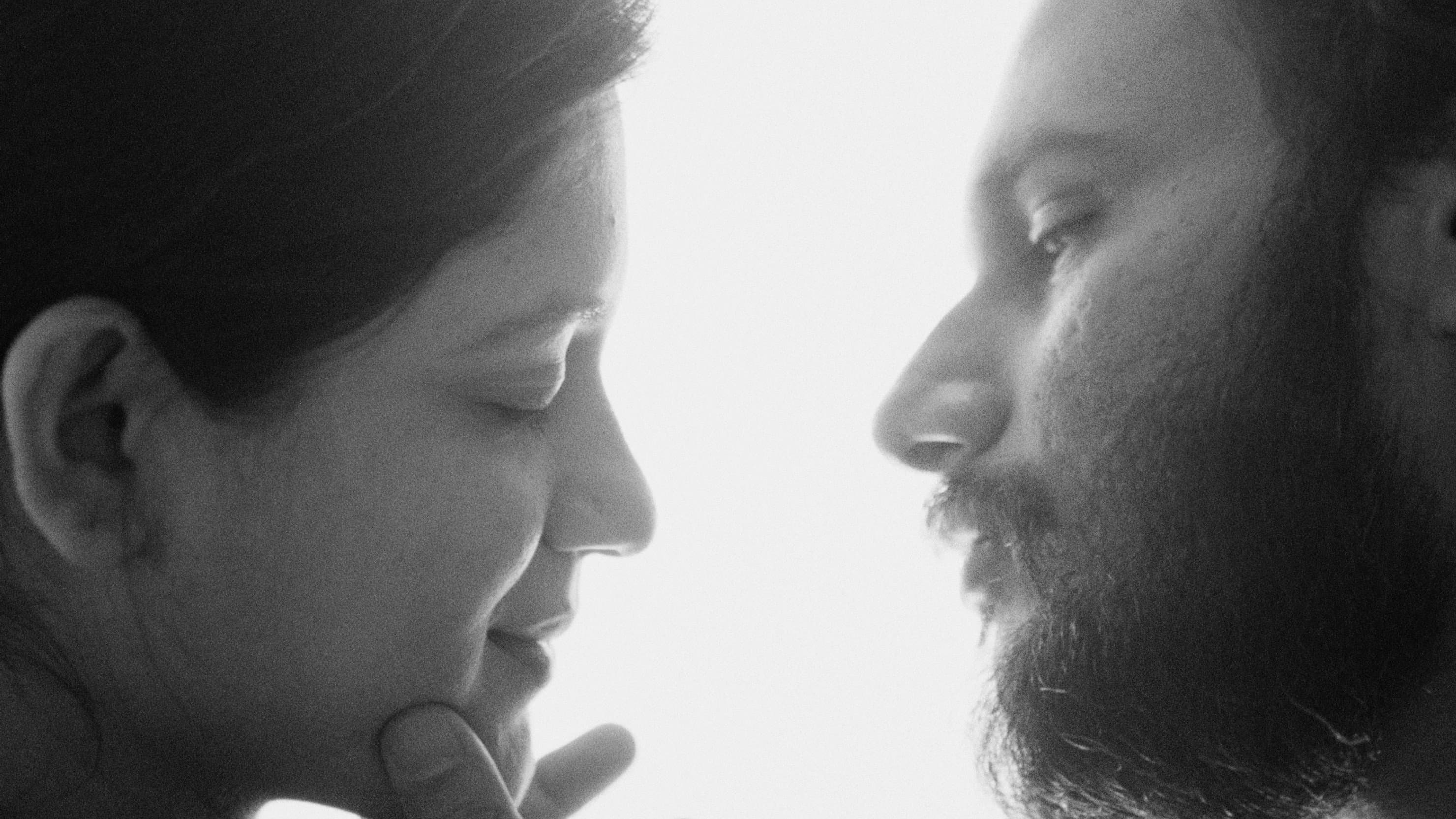
Don't Say Good Luck (2026): Julia Hart's New Film
Photo: TMDb
So, it’s the middle of August, the air is still sticky with summer, and the multiplex is suddenly serving up a generous slice of coming-of-age comfort food. But Don’t Say Good Luck isn’t just another teenage angst parade. It’s a funny, tender, and surprisingly sneaky little movie about the moment the spotlight you’ve been chasing suddenly illuminates everything you were trying to hide.
The premise is deceptively simple. Sophie Birenbaum, played with a wonderfully scrappy energy by Sunny Sandler, is ready for her big moment. She’s landed the lead in her high school’s musical, and she can practically taste the applause. But as she’s rehearsing her big numbers, her home life is quietly imploding. Her parents, Elizabeth and Ted (the always-reliable Melanie Lynskey and Max Greenfield), are navigating some serious marital turbulence, and suddenly Sophie’s biggest drama isn’t the second-act conflict in the script - it’s the one unfolding in her living room.
Director Julia Hart, who has a knack for finding the aching beauty in everyday dysfunction, never lets the movie tip into melodrama. Instead, she crafts a film that hums with a specific, lived-in authenticity. The Birenbaum household feels real - messy, loud, and filled with the kind of unspoken tension that hangs in the air like dust motes. You can practically feel Sophie’s frustration as she tries to perfect her pirouette while her parents whisper-fight in the next room.
And that’s where the film’s secret weapon comes in: the music. This isn’t your standard jukebox musical or a collection of generic pop hits. The original songs, woven into the narrative, serve as Sophie’s emotional diary. When she’s on stage, she’s belting out anthems of confidence, but the lyrics betray a deeper vulnerability. The film smartly uses the musical-within-a-musical as a mirror, reflecting Sophie’s internal chaos back at her in glorious, slightly-off-key Technicolor. She’s singing about love and ambition, but all she can think about is whether her dad is moving out.
Sandler is a genuine revelation here. It would be easy to lean into nepotism jokes - she’s clearly inherited the family comedic timing - but she brings a raw, emotional core that feels entirely her own. Her Sophie is equal parts bratty and broken, a teenager who thinks she knows exactly what she wants until the ground shifts beneath her. She shares a particularly electric dynamic with Stephanie Beatriz, who plays the no-nonsense drama teacher Ms. Parker. Their scenes crackle with a mentor-mentee tension that’s both hilarious and heartbreaking, as Ms. Parker pushes Sophie to dig deeper into her performance, unwittingly forcing her to confront the feelings she’s been suppressing at home.
The supporting cast is a masterclass in adding texture. Lynskey and Greenfield are heartbreakingly good as parents who are trying their best but failing spectacularly. They aren’t villains; they’re just two people who got lost. There’s a quiet, devastating scene between Lynskey and Sandler over a kitchen sink that’s worth the price of admission alone. Then there’s the undeniable delight of Bebe Neuwirth and Steve Buscemi popping up as the meddling, well-meaning grandparents, injecting a dose of wry, older-generation wisdom into the chaos. Plus, the twin dynamic of Matan and Eitan Friedman as Sophie’s younger brothers adds a chaotic, authentic sibling energy that grounds the film.
At a tight 96 minutes, Don’t Say Good Luck knows exactly what it is and doesn’t overstay its welcome. It’s a sweet, smart, and genuinely moving film about the messiness of growing up and the realization that sometimes the bravest thing you can do isn’t hitting the high note - it’s asking for help. The title itself is a clever wink: a backstage superstition that actors avoid saying “good luck” before a show. But Sophie’s real performance isn’t on the stage; it’s in navigating the unscripted chaos of her family falling apart.
It’s the kind of movie that makes you want to call your parents, hug your weird siblings, and maybe listen to a cast album on repeat. With its great performances, a smart script, and a ton of heart, Don’t Say Good Luck proves that sometimes the best drama on screen comes from the quietest, most human moments. It’s a quiet winner that’s already earned a solid 7.1 on TMDb, and honestly, it deserves a standing ovation for making the familiar feel fresh again. Just don’t tell it good luck - it clearly doesn’t need it.