Nolan Warns Hollywood: Gen Z Rejects Machine-Made Films
Director
Christopher Nolan
Christopher Nolan warns Hollywood: Gen Z is officially over 'machine-made' movies. Here’s why the director says authentic cinema is fighting back!
Leave it to Christopher Nolan to deliver a major reality check right when Hollywood needs to hear it most. The visionary filmmaker has fired a warning shot across the bows of major studio boardrooms, declaring that the younger generation of moviegoers is officially over "machine-made" entertainment. As the industry increasingly flirts with automated tools, algorithmic storytelling, and sterile, CGI-bloated blockbusters, the director is waving a massive red flag. He wants Tinseltown to remember that actual, breathing humans are still the ultimate box-office draw.
For years, Nolan has stood as one of the fiercest champions of traditional filmmaking. Now, he is pointing out a massive cultural shift: Gen Z and Gen Alpha are not the passive consumers some executives might think they are. Instead, they are actively pushing back against cookie-cutter, assembly-line content, demanding something with a genuine heartbeat.
The Backlash Against the Algorithmic Blueprint
It is no secret that Hollywood has spent the last few years trying to turn movie-making into a science. Studios have relied heavily on data analytics, trend forecasting, and generative technologies to predict what audiences want to see. The result? A cinematic landscape that often feels incredibly repetitive, safe, and stripped of any real artistic risk.
But according to Nolan, this formulaic approach is backfiring spectacularly with younger demographics. These audiences have grown up in a digital world saturated with filters, feeds, and artificial intelligence. Because they are surrounded by simulated content all day on their phones, they have developed a hyper-sensitive radar for anything that feels fake. When they go to the movie theater, they want an escape from the digital noise, not a larger-scale version of it.
Nolan suggests that younger viewers can instinctively sense when a film lacks a human soul. They are rejecting the glossy, focus-grouped blockbusters that feel like they were assembled by a computer program rather than a passionate creative team. They want messy, bold, and distinct voices-not a product designed to satisfy a corporate checklist.
Why the "Interstellar" Director Believes in the Human Touch
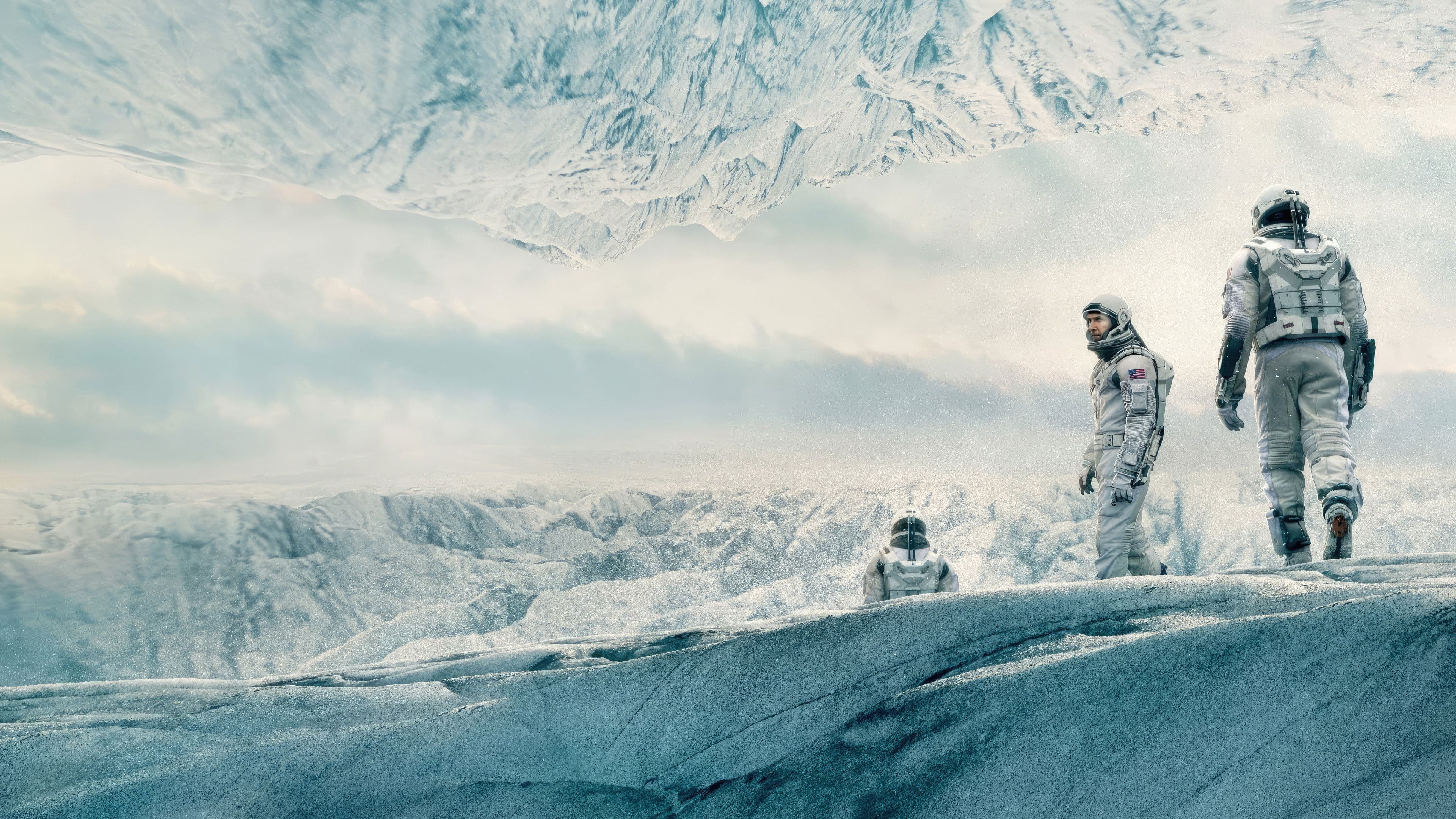
Nolan’s critique carries weight because his own filmography is proof that audiences crave the tangible. As the director behind the sprawling sci-fi epic Interstellar, Nolan has built his entire reputation on pushing the boundaries of physical filmmaking. Whether he is detaching massive practical set pieces, utilizing real IMAX cameras, or shooting on actual celluloid film, he has always argued that the camera captures a certain energy when humans are interacting with the real world.
Think back to the magic of Interstellar. While it was a massive cosmic adventure, its heart was entirely human-centered on a deeply emotional bond between a father and his daughter. Nolan achieved those awe-inspiring space environments not by relying on a digital crutch, but by collaborating with theoretical physicists, building intricate physical models, and projecting cosmic backgrounds directly onto the set so his actors could actually see what they were reacting to.
That hands-on craftsmanship creates an immersive experience that simply cannot be replicated by a machine. When a filmmaker puts that much care into the physical reality of a movie, the audience feels it. Nolan believes that younger viewers are starving for that level of dedication and authenticity. They want to see the brushstrokes on the canvas, even if those brushstrokes are sometimes imperfect.
A Crucial Wake-Up Call for Studio Executives
The message here is simple: if Hollywood wants to keep the theatrical experience alive for the next generation, it needs to stop treating cinema like a software update. Relying on predictable formulas might offer a sense of corporate security in the short term, but it risks permanently alienating the very audience required to sustain the industry in the long run.
Nolan’s warning is a call to action for studios to start trusting directors and artists over spreadsheets. The future of cinema does not belong to the most advanced algorithm; it belongs to original stories, daring ideas, and the irreplaceable magic of human imagination. If the industry wants to win back the youth, it is time to put the machine away and let the artists run the show.
Source: en.softonic.com