Bring Back the Hollywood Asshole: Joseph Kahn Opinion
Joseph Kahn's provocative opinion column argues Hollywood needs its problematic, charismatic stars back. A must-read hot take.
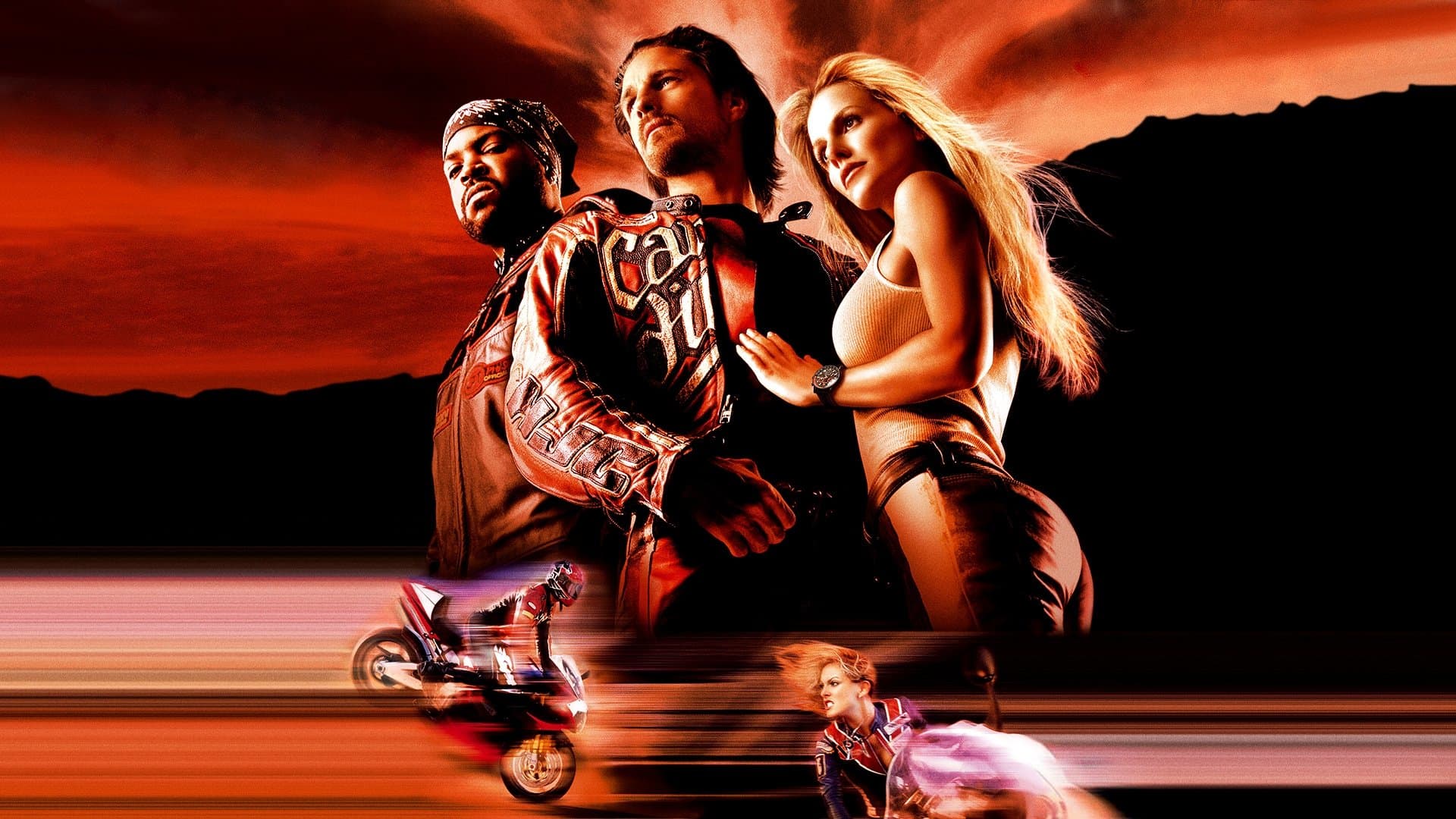
Joseph Kahn - the director behind such cult curiosities as Torque and the rap-battle drama Bodied - has never been one to mince words. So when he sat down to write an opinion column titled “Bring Back the Hollywood Asshole,” the internet did what the internet does: it leaned in, popcorn in hand. Kahn’s argument is less about celebrating bad behavior and more about mourning a certain chaotic, unfiltered energy that he believes has been sanitized out of the movie business, leaving behind a landscape of polite, focus-grouped mediocrity.
The piece landed with the kind of crackle that only a veteran provocateur can deliver, and it’s already sparking debates across the industry. Kahn doesn’t name names - well, he names a few - but his central thesis is simple: Hollywood used to have a healthy ecosystem of difficult, brilliant, occasionally insufferable personalities who made the art feel alive. Think Orson Welles on a studio lot, or Werner Herzog eating his shoe. Think the friction that turned raw talent into movie magic.
Kahn’s column isn’t a call for abuse or toxicity, though it has already been misinterpreted that way. Rather, he’s lamenting the era when a director or producer could be an absolute pain to work with - and still get backed because the results were undeniable. He argues that the current system rewards safe, likeable professionals over volatile visionaries, and that the movies are duller for it.
Of course, the timing is everything. We live in an age where every behind-the-scenes anecdote can become a five-alarm PR fire, and where social media accountability has turned every on-set meltdown into a viral cautionary tale. Kahn’s column pushes back against that reflex, asking whether we’ve traded the messy, human drama of filmmaking for a sterile, algorithm-approved product.
The reaction has been predictably split. Some filmmakers and critics have applauded Kahn for saying what many have thought but feared to utter aloud. Others have pointed out that “bringing back the Hollywood asshole” sounds dangerously nostalgic for a time when bad behavior was excused because the offender was a genius - a dynamic that often protected abusers and marginalized everyone else.
Kahn, ever the provocateur, seems less interested in winning arguments than in starting them. His column hits on a nerve that’s been twitching for years: can creativity and comfort coexist? Can you make a truly dangerous film if every member of the cast and crew feels safe and validated at all times? It’s an uncomfortable question, and Kahn leans into it with characteristic relish.
What makes the piece compelling is that Kahn isn’t just griping from the sidelines. He’s made movies that deliberately court controversy - Bodied dove headfirst into the minefield of racial satire and free speech in rap battles. He’s directed music videos for Eminem, Taylor Swift, and Beyoncé, often pushing the boundaries of what’s acceptable in a three-minute pop clip. So when he talks about the need for a little disorder, he’s coming from a place of experience, not armchair nostalgia.
Still, the column is bound to rub a lot of people the wrong way. Hollywood is still reckoning with its own history of real, harmful behavior, and the idea of “bringing back” anything from that era can feel like a step backward. Kahn’s defenders say he’s talking about creative volatility, not personal cruelty. His critics say the two have never been as easy to separate as people like to pretend.
The Great Creative Friction Debate
Kahn’s column taps into a larger cultural conversation that’s been simmering in writers’ rooms and on film Twitter for years. The term “difficult artist” has become almost taboo, replaced by a more corporate ideal of collaboration and emotional intelligence. But many of the most iconic films in history - think Apocalypse Now, The Shining, or Jaws - were born from chaotic, stressful environments that would never pass a modern HR review. Kahn asks: Are we willing to lose a few masterpieces if it means a healthier work environment? It’s not a rhetorical question; he genuinely wants people to wrestle with it.
Not Just a Hot Take
What elevates Kahn’s column from clickbait to legitimate cultural commentary is his willingness to name specific industry trends. He points to the rise of “safe” casting, the dominance of IP-driven franchise filmmaking, and the way streaming platforms have homogenized storytelling. In his view, the asshole - the one who fights for a weird ending, who insists on a practical effect over CGI, who yells at the studio because the script has no soul - is an endangered species. And without those people, he argues, movies become background noise.
Of course, Kahn knows he’s walking a tightrope. He acknowledges that the old system had real victims, and he’s not defending predators. But he’s also not interested in nuance that pleases everyone. That’s the whole point: an asshole isn’t interested in pleasing anyone.
Whether you agree with him or not, “Bring Back the Hollywood Asshole” has already done what a good opinion piece should: it’s made people talk, argue, and look at the state of cinema from a fresh angle. And in a year where the conversation about art and accountability feels more polarized than ever, that’s no small trick.
Source: The Hollywood Reporter