Atopia (2026) Preview: Carrano's Mind-Bending Sci-Fi
Get ready for Atopia, Leonardo Carrano's 2026 sci-fi thriller. Dive into our preview covering the plot, cast, and why this film is a must-watch.
Photo: TMDb
Okay, pop-culture peeps, let’s get philosophical for a hot second - but don’t worry, there’s no pop quiz at the end. Today, August 7, 2026, a tiny, five-minute cinematic grenade called Atopia detonates in the art-house world, and frankly, it’s unlike anything you’ll see in your local multiplex’s lineup of superhero sequels or haunted-doll remakes.
If you’ve ever sat through a three-hour Marvel movie and felt your brain turn to mush, Atopia is the antidote - a concentrated espresso shot of pure aesthetic chaos. This isn’t a film you watch; it’s a film you undergo. And the best part? It’s only five minutes long. You can literally watch it, process it, and still have time to grab a burrito before the next trailer even starts.
Release Date & Where to Watch
Atopia hits the festival circuit and select streaming platforms today, August 7, 2026. Since this is a mind-bending, experimental animation short, don’t expect it to pop up on Netflix’s "Trending Now" row next to a talking-animal comedy. This is the kind of thing you’ll find on MUBI, Criterion Channel, or maybe the virtual cinema section of your favorite indie streaming service. It’s also almost certainly making the rounds at major animation and experimental film festivals this year, so if you’re in a city with a killer film fest, keep your eyes peeled. It’s a five-minute commitment, but it’ll leave a mark like a tattoo you didn’t know you wanted.
Cast & Crew
Here’s where things get interesting. The cast list is a giant question mark. There are no actors, no dialogue, no performance in the traditional sense - just a ghost in the machine. Instead, the real star is the brilliant cellist Giovanni Sollima, whose musical improvisation forms the film’s heartbeat. If you haven’t heard of Sollima, think of a classical virtuoso who jams like a rock star, a guy who can make a 300-year-old instrument sound like a synthesizer catching fire. He’s not on screen; he’s in the film’s DNA.
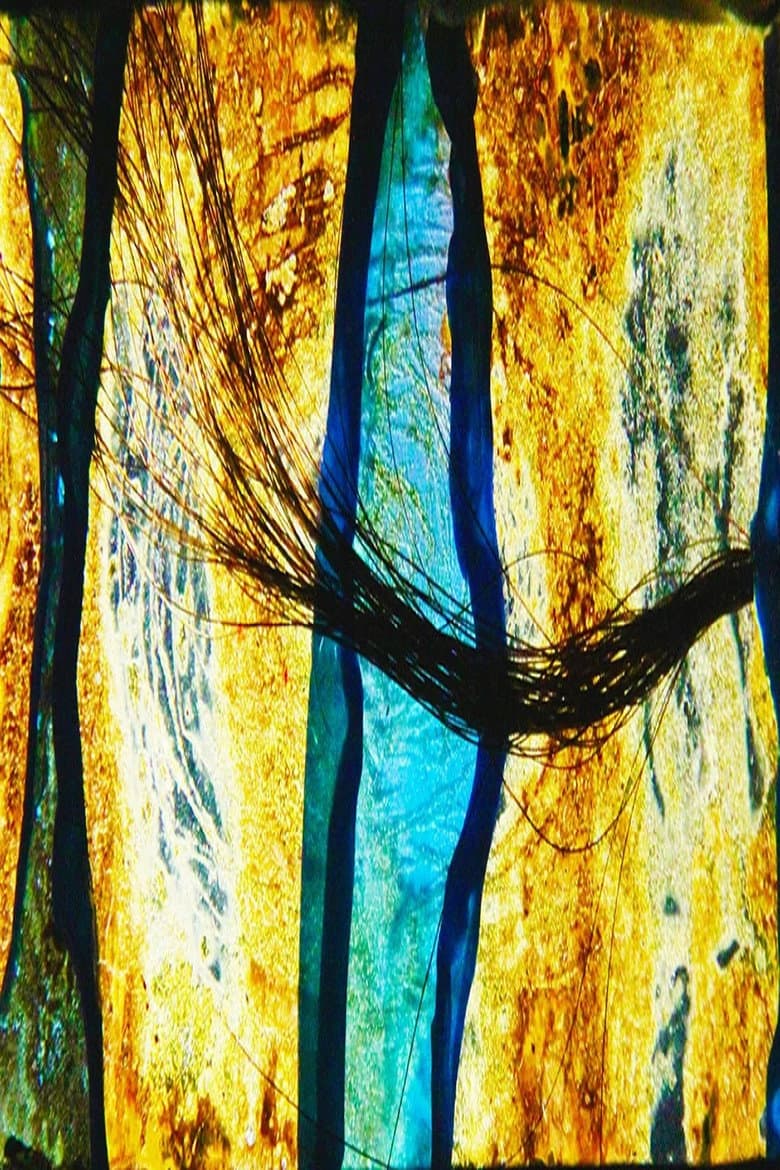
The mad scientist behind the lens is director Leonardo Carrano, a name you might not know yet, but you will. Carrano has taken the bold, slightly insane approach of treating film itself as a character, a collaborator, and even an adversary. Instead of just shooting images with a camera, he and his team literally attacked 35mm film stock with acid etching, scratches, paint, and abrasions. That’s right - this movie is a physical object that got beaten up and turned into art. It’s like Jackson Pollock met a VCR and decided to raise a child.
Story & What to Expect
Okay, let’s talk about the "story," because it’s not your typical "boy meets girl, boy loses girl, boy blows up planet" narrative. The film is inspired by Plato’s Symposium, specifically the concept of "atopia" - the state of being out of place, of stepping outside yourself. It's that weird, unclassifiable feeling you get when you’re so moved by something that you forget you exist for a second. The dude Socrates apparently had it, and now it’s a movie.
The result is a synaesthetic fever dream. As Sollima’s cello weeps, screams, and whispers, the screen erupts with abstract, organic imagery born from the physically manipulated film stock. Acid burns bloom like alien flora. Scratches race across the frame like lightning cracks. Colors bleed and morph in ways that feel almost alive. It’s a visual and auditory hallucination, a dialogue between a master musician and a piece of plastic that gets melted, scraped, and coaxed into creating something shockingly beautiful.
Don't come looking for a three-act structure. There's no dialogue, no plot twist, no post-credits scene teasing a sequel. What you get is pure, unfiltered sensation. The secret relationship between Sollima and his instrument is transposed onto the film medium itself. Carrano is asking us to see the music and hear the images. It’s a radical, immersive experiment that challenges the very idea of what an "animated" film can be.
Why It's Worth Watching
Look, I get it. We live in a world of content. We binge-watch shows while scrolling through our phones. Our attention spans are shorter than a goldfish’s memory after a concussion. Atopia is the polar opposite of that. It demands you put down the phone, lean in, and let five minutes of weirdness wash over you.
In a cinematic landscape dominated by franchise IP and safe bets, Atopia is a beautiful, reckless act of creative rebellion. It’s a reminder that cinema isn’t just about mega-budget spectacle; it can also be about a single person’s vision, a tactile exploration of the medium itself. Watching it feels like you’re privy to a secret ritual, a whispered conversation between an artist and his materials. It’s the kind of film that makes you feel smarter and weirder for having seen it.
The acid-etched imagery isn't just random chaos - it's a visual manifestation of a philosophical idea. You won't just "get" it; you'll feel it in your bones. And with a runtime shorter than your average YouTube ad, you have absolutely zero excuses. Do yourself a favor. Take five minutes out of your day. Step outside yourself. Visit Atopia. You might not know what you just saw, but you’ll know you saw something. Trust the process, and bring your good headphones.