Why TIFF's Midnight Madness Finds Hollywood's Next
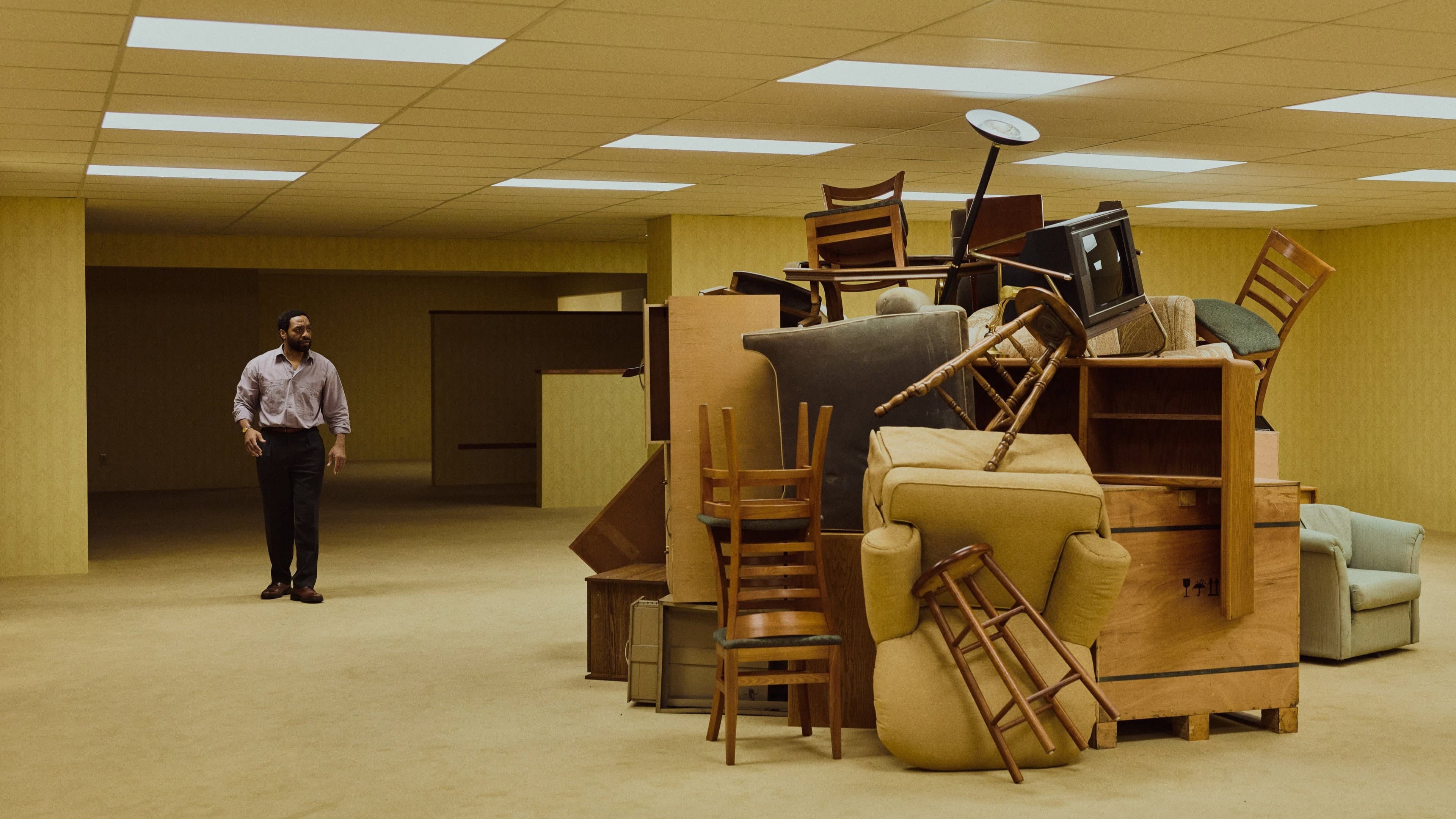
TIFF's Midnight Madness curator reveals vital clues on the next 'Backrooms' craze as Hollywood hunts for its next obsession. Inside the genre-bending
Hollywood has spent the last few years chasing the same dragon - that elusive, culture-eating horror hit that makes everyone on TikTok scream at their phones and studios scramble for imitators. The latest obsession? Backrooms, the analog-horror phenomenon that’s been creeping from internet folklore to the big screen. But while execs are busy greenlighting every liminal-space script they can find, the person who might actually know where the next big thing is hiding is sitting in a Toronto screening room, compiling a lineup that could make or break the genre’s future.
Peter Kuplowsky, the longtime curator of TIFF’s Midnight Madness, has become the unofficial oracle of weird cinema. And with Backrooms generating buzz that feels like the early days of Paranormal Activity or Get Out, he’s the guy everyone’s suddenly calling for a map. The horror landscape is shifting faster than a fading VHS tape, and Kuplowsky’s programming instincts have been ahead of the curve for years - so it’s no surprise that his clues about what comes next are being treated like gospel by nervous studio heads.
Midnight Madness has always been the wild card of the Toronto International Film Festival. It’s where you go to see a movie that makes you question whether you should laugh, scream, or just walk out and hug a stranger. Kuplowsky has shepherded that chaos for over a decade, turning the section into a launchpad for filmmakers like Panos Cosmatos and Julia Ducournau before they became names you drop at dinner parties. His track record isn’t just good - it’s borderline psychic.
So when he talks about Backrooms, people listen. The film, based on the creepypasta that started as a series of unsettling 4chan posts and evolved into a full-blown internet mythos, taps into a very specific kind of dread: the fear of a space that shouldn’t exist, a reality that glitches just enough to make you feel like you’re losing your mind. It’s got that same lo-fi, found-footage energy that made Blair Witch a phenomenon, but with a distinctly modern, digital-age twist. That combination is exactly what Kuplowsky says studios are missing when they chase the last big thing instead of the next one.
The problem, according to the curator’s public commentary around this year’s slate, isn’t a lack of scary movies - it’s a lack of patience. Hollywood wants another Hereditary or Talk to Me overnight, but the films that actually break through tend to be ones that were given room to breathe. Backrooms didn’t come out of a development meeting; it crawled out of the collective subconscious of people who spent too long online during the pandemic. That organic, word-of-mouth origin is something you can’t manufacture in a writers’ room, no matter how many mood boards you make.
Kuplowsky’s advice to the industry, delivered through interviews around festival programming, is refreshingly blunt: stop looking at what worked last summer and start paying attention to what’s bubbling in the corners of the internet that aren’t yet monetized. The next obsession isn’t going to be a sequel or a remake. It’s going to be something that feels like a secret, something that spreads because people can’t stop talking about it, not because a studio spent $50 million on billboards.
That’s the vital clue in all of this. Backrooms isn’t just a movie - it’s a case study in how modern horror gets born. It started as a series of images, then became a lore, then a video game, and now it’s a feature film with real distribution. That pipeline - from meme to myth to mainstream - is the roadmap studios should be paying attention to, and Kuplowsky has been watching it play out in real time at Midnight Madness screenings, where audiences react to movies the way they react to viral content: loudly, collectively, and without any pretense of good taste.
There’s already chatter that Backrooms could be the film that breaks out of the festival circuit and into the mainstream conversation, the way The Witch did a decade ago or Barbarian did a few years back. But the deeper lesson is that the horror genre’s next goldmine is probably not something currently in production. It’s something being sketched on a Discord server at 2 a.m., or filmed on an iPhone in a decrepit office building, or written by someone who’s never set foot on a studio lot.
That’s the beauty and the terror of the current moment. Audiences are savvier than ever, and they can smell a cash-grab from a mile away. But they also have an insatiable hunger for the weird, the uncanny, the stuff that feels like it shouldn’t exist. Backrooms feeds that hunger, and Kuplowsky seems to know that the best way to find the next obsession isn’t to chase it - it’s to keep the projector running and let it find you.
For now, the frantic search continues, but the clues are all pointing in one direction. Pay attention to the shadows, the glitches, the places where reality gets a little thin. That’s where the next big thing is already hiding. And if you’re lucky, you might catch it in Toronto first, where the midnight crowd is always ready to show you something you never knew you needed.
Source: The Hollywood Reporter