Animal Studies Preview: Egret, Seagull, Spider, Swans
Discover the poetic world of 'Animal Studies' - a preview of five vignettes: egret, seagull reflection, midges, spider, and swans in a line.
If you’re the type of person who scrolls past CGI explosions, superhero team-ups, and three-act climaxes that feel like they were written by a committee of algorithms, then we need to talk about today’s release. July 26, 2026 brings us Animal Studies (Egret / Seagull Reflection / Midges / Spider / Swans in a Line) - a title that’s as straightforward as a documentary and as poetic as a haiku. It’s 10 minutes long, directed by legendary experimental filmmaker Guy Sherwin, and it’s about animals doing what animals do best: being utterly, beautifully themselves. No acting. No dialogue. No plot. Just pure, unadulterated authenticity. And honestly? In a world drowning in green screens and reshoots, that feels almost revolutionary.
Release Date & Where to Watch
Animal Studies lands today, July 26, 2026, which means you can catch it fresh off the press if you know where to look. This isn’t a wide theatrical rollout - we’re talking limited screenings at avant-garde film festivals, art-house cinemas, and possibly streaming on niche platforms that specialize in experimental and underground cinema. The film premiered as part of the EXiS - Experimental Film and Video Festival in Seoul, a fitting home for Sherwin’s decades-spanning work. If you’re in a major city with a healthy independent film scene, check your local rep house or museum calendar. Otherwise, keep an eye on VOD services like Fandor, Mubi, or the Criterion Channel - these are the kinds of places that treat Sherwin’s bricks like masterpieces.
Given its extremely short runtime, you might even catch it as part of a short-film program. Think of it as a 10-minute vacation from typical summer blockbusters. No trailers, no ads, just birds, a spider, some midges, and a quiet reflective moment you didn’t know you needed.
Cast & Crew
Let’s get this out of the way: there is no cast. Zero actors. Not a single speaking role. The stars of Animal Studies are right there in the title: an egret, a seagull (or rather its reflection), a cluster of midges, a spider, and a line of swans. They don’t have agents, they don’t have Instagram, and they definitely don’t audition. And that’s precisely the point.
The only human credit - and the only one that matters - is director Guy Sherwin. If that name doesn’t ring a bell, you’re probably not deep into the experimental cinema rabbit hole, but you’ve likely felt his influence whether you know it or not. Sherwin has been making films since the early 1970s, often working in series, often exploring the relationship between motion, time, and natural behavior. His 1975 short Paper is a classic of British avant-garde film. He’s a master of the “structural film” movement - think less story, more experience. For Animal Studies, Sherwin acts as observer, editor, and philosopher. He’s the artist. The animals are the muse. There’s no cinematographer credit given, but typically Sherwin shoots his own work, often on 16mm film. So expect grainy, beautiful, analog textures.
There’s no composer either. The soundtrack is whatever the environment provided: wind, water, wings, silence. Pure diegetic sound. No John Williams here - just the raw audio of a spider weaving its web.
Story & What to Expect
Okay, “story” might be a stretch. This isn’t The Lion King. There’s no hero’s journey, no inciting incident, no third-act revelation. Instead, Animal Studies is exactly what it says on the tin: a series of visual studies of animals. Five segments, five creatures (or groups of creatures), each observed with a patient, almost meditative eye.
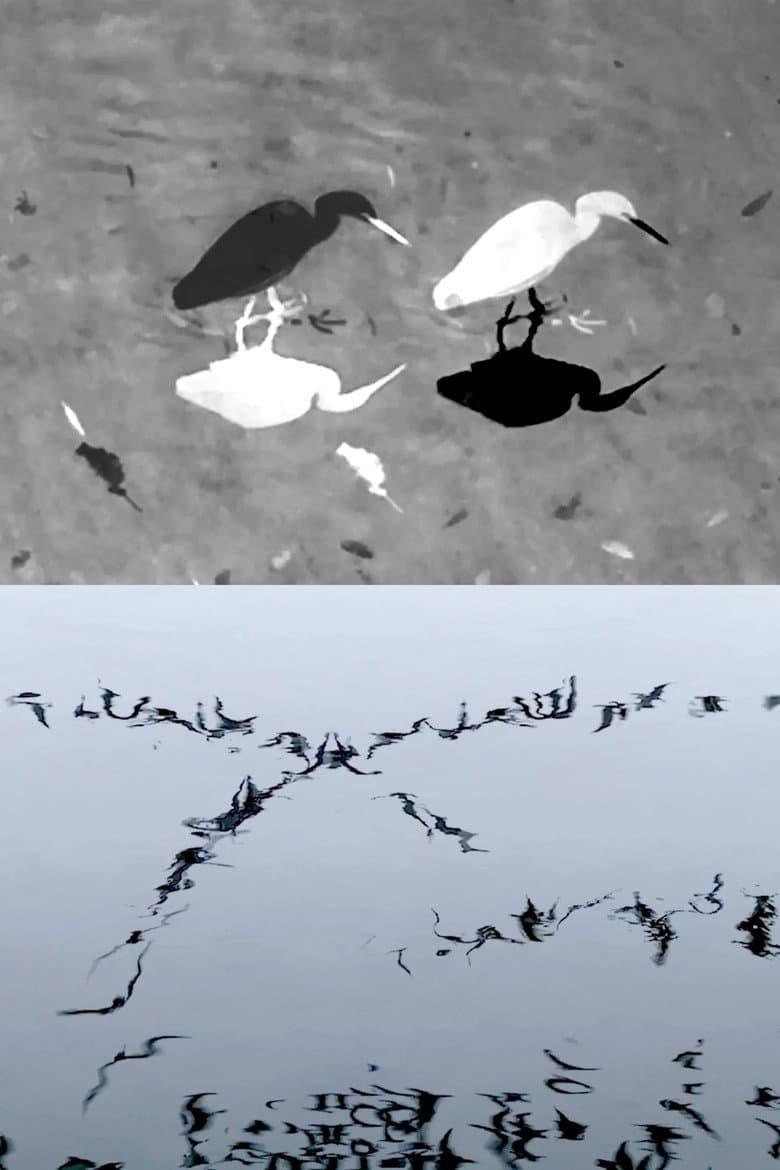
The first study, “Egret,” likely captures the elegant stillness of the bird as it hunts or stands in water. Sherwin has a knack for finding the sculptural in the natural. Next is “Seagull Reflection” - probably not the bird itself but its mirror image in water or glass, forcing you to question what’s real and what’s a trick of light. “Midges” will be a swarming, dizzying cloud of tiny insects - think of it as nature’s abstract expressionism. “Spider” offers a close-up of a web being built or a spider waiting for prey. It’s intimate, almost uncomfortably so. Finally, “Swans in a Line” suggests a graceful, geometric formation - a living, breathing procession of white necks and orange beaks.
All five segments are part of a larger series Sherwin began in 1975 called the Short Film Series. He describes each film as “like a brick, insignificant in itself, but can be combined into all kinds of structures.” That’s key. You can watch this alone, or as part of a longer program. The order can be shuffled. It’s modular cinema. Sherwin’s interest in animals stems from his belief that they are “unselfconscious, authentic, and can’t act.” No method acting here. No pausing for applause. Just pure existence on film.
Expect a calm, slow, contemplative experience. This is not the movie you put on while scrolling your phone. It demands attention - and rewards it with small, profound moments: the shimmer of a wing, the tension of a spider’s thread, the silent alignment of swans.
Why It's Worth Watching
In a summer dominated by the tenth sequel of a franchise you barely remember, Animal Studies is a sorbet. It cleanses the palate. It reminds you why cinema exists in the first place: to see, to observe, to wonder. Sherwin’s work is not for everyone, but if you’ve ever stared at a bird and felt a tiny shock of recognition - “you’re alive, and so am I” - this film will hit you right in the quiet part of your soul.
It’s also incredibly timely. We’re living through a period where authenticity is curated, where every moment is staged for a camera. Sherwin’s animals offer a radical alternative: no performance, no filters, no intention. Just being. That’s a rare gift in 2026.
Plus, it’s 10 minutes. Ten minutes. You have time. If you’re a completist or a cinephile interested in the history of avant-garde cinema, this is an essential piece of a larger puzzle. Sherwin’s Short Film Series has been running for over 50 years. Watching one brick helps you understand the cathedral.
So skip the multiplex this weekend. Find a small theater, a dark room, a projector. Let an egret, a reflection, a swarm of midges, a spider, and a line of swans teach you something Hollywood forgot: that the most compelling actors aren’t actors at all.