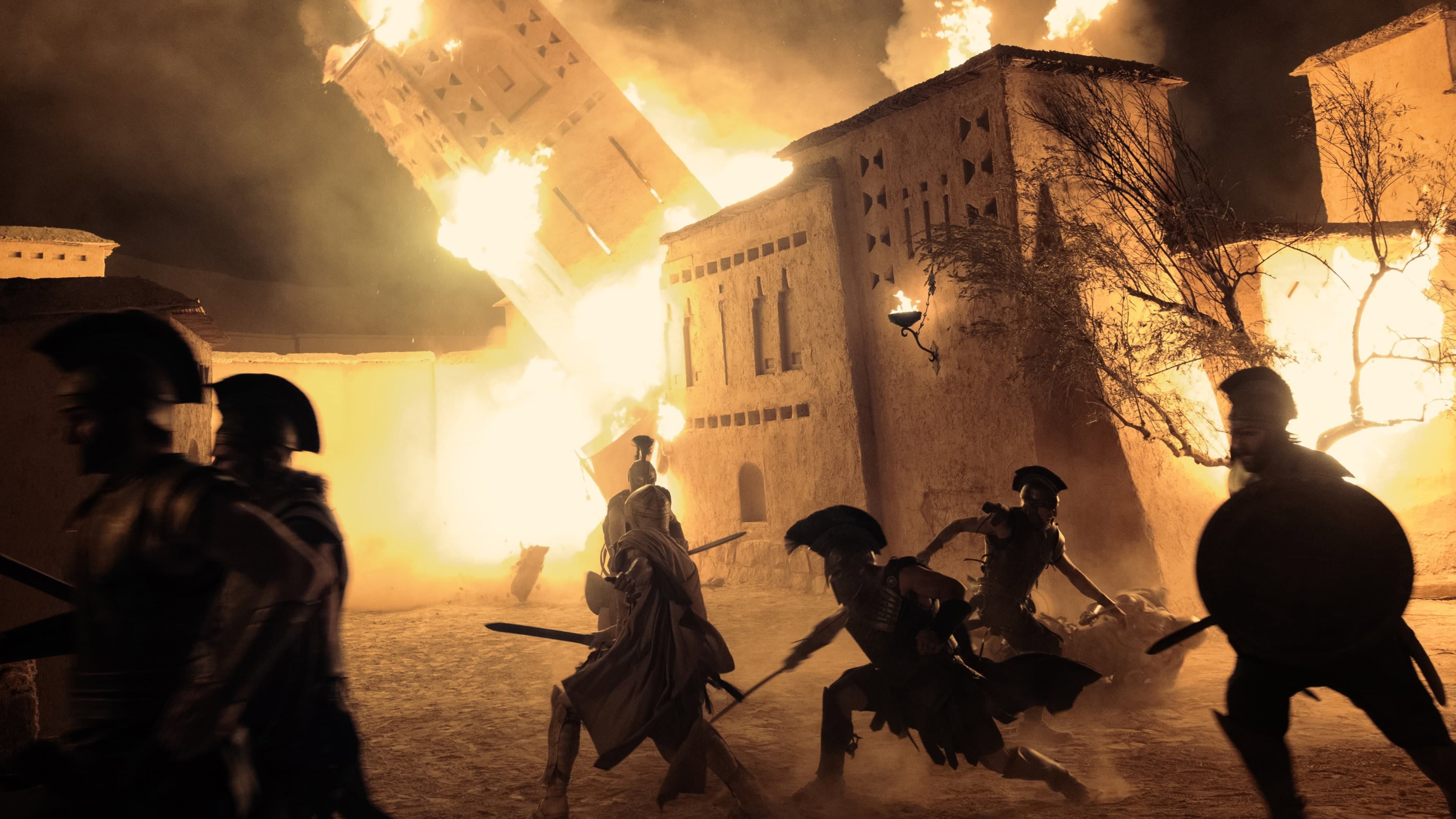
Viking Ship in The Odyssey? History vs Hollywood
Nolan's The Odyssey trailer sparks debate over a Viking longship. We explore history vs Hollywood in this epic casting clash.
Hold on, did we just sail straight from the Aegean Sea into a fjord? That’s the question buzzing around Hollywood this week as the first whispers from the set of the new The Odyssey adaptation suggest that our hero Odysseus might be trading in his sleek Greek galley for something a little more… Scandinavian. That’s right, folks. Word on the grapevine is that a Viking longship has somehow navigated its way into the epic tale, and the internet is losing its collective mind over what looks like a serious case of history-crashes-into-Hollywood.
Let’s be real for a second. The Odyssey is the granddaddy of all road-trip stories, a ten-year saga of a guy just trying to get home after the Trojan War. It’s got monsters, magic, and a deeply devoted wife who’s really good at weaving. It’s ancient Greece, through and through. There are triremes, wooden ships with bronze rams, and a pantheon of gods who love to meddle. So, when rumors started swirling that a longship - the narrow, dragon-prowed vessel synonymous with Norsemen who lived over a thousand years later - was spotted on set, you could practically hear the collective sound of classicists spitting out their frappés.
But here’s the thing: this isn't necessarily a blunder. It’s more likely a bold, eyebrow-raising creative choice. The director, known for a visually audacious style, seems to be leaning hard into the idea that myths aren’t bound by archaeology. Instead of a history lesson, we’re getting a vibe. The longship, with its shallow draft and fearsome reputation, fits the aesthetic of a world where gods walk the earth and no one has to worry about historically accurate sail materials. It’s a mash-up that screams “epic” rather than “educational.”
Think about it. These are the same waters where Odysseus blinds a Cyclops and sails past sirens who sing songs that make you want to wreck your ship. In that world, mixing a Viking boat into the Mediterranean roughly a millennium before the actual Vikings existed is just… a Tuesday. It’s like those historical dramas where everyone has perfectly white teeth and modern British accents. We’re not there for the carbon dating; we’re there for the drama, the spectacle, and the ripped gods throwing lightning bolts.
Fans of the ancient text might be clutching their pearls, but the pitch meeting probably went something like this: “We’ve got a hero, a quest, and a sea monster. Now, what if we made the boats look really, really cool?” And, to be fair, they have a point. There’s something undeniably cinematic about a low-slung longship slicing through choppy waters, its square sail billowing as a crew of rugged men row in perfect sync. It’s a bigger visual swagger than the more graceful, and arguably more accurate, Greek vessels. The longship says “we’re here to conquer,” while the trireme says “we’re here to conduct a trade negotiation.”
This is also a reminder of how Hollywood has always treated mythology. It’s a sandbox. You want Odysseus to fight a giant undead bear? Sure, why not. You want him to be a goateed swordsman who jumps off cliffs into the ocean? Go for it. The stories are meant to be fluid, and every generation gets the Odyssey it deserves. We’ve had the sword-and-sandal version, the modern-day sci-fi retelling (O Brother, Where Art Thou? remains a masterpiece), and now we’re getting the “Sparta meets Scandinavia” edition. It’s not about accuracy; it’s about the emotional temperature.
Of course, the production team hasn’t officially commented on the anachronism, which only fuels the speculation. Are they leaning in? Is this a deliberate visual language choice to separate the gods’ world from the mortal world? Or is this just a case of a prop guy grabbing whatever was available and slapping a “Greek” sticker on it? We honestly don’t know yet. But the leaked set photos have done their job: they’ve got everyone talking, arguing, and re-booking their flights to Iceland.
What this really points to is the never-ending tension between devotion to source material and the sheer need to entertain a modern audience. If you put a historically accurate vessel on screen, you get a nod from the history buffs, but you might bore the casual viewer who just wants to see a big boat battle with some serious muscle on display. The longship is pure marketing genius - it’s an icon. It’s the visual shorthand for “gritty, sea-faring adventure,” even if it’s wildly off the mark geographically and chronologically.
So, is it a mistake? A scandal? Or just a stylish upgrade? For now, we’re going to lean into chaos and say this is brilliant. It’s a movie about a man who talks to ghosts, outwits a giant, and resists a witch’s magic. If we can all accept that, we can probably accept a Viking boat in Greek waters. It’s a strange new world in the making. We’ll have all the details as soon as official images drop, but for now, we’re just here for the ride - and the puns about longship vs. wrong-ship are already writing themselves. At the very least, it’s going to be one of the most talked-about epics of the year, whether the prophecy works out or not.
Source: Hindustan Times