There's a moment in every movie lover's life when they wonder where the actual film comes from - the physical stuff, the celluloid, the reels that still spin in certain theaters and archives. A newly resurfaced video is putting that question under a microscope, and the answer is more dramatic than you'd expect from a documentary short.
The video, titled Video: The Only Factory Making Real Film for Hollywood, takes viewers inside the last standing facility still producing genuine film stock for the industry. It's the kind of story that feels like a requiem for an era, but the details are anything but sentimental. The clip has been making the rounds online, and it's sparking conversation about what we lose when an art form goes fully digital.
But here's the twist - this isn't just a nostalgic look at manufacturing. The video frames its narrative around two characters who couldn't care less about the romance of cinema. Álvaro and Jaime, two childhood friends in their twenties, have a bone to pick with society in general. They see the whole system - careers, status, the endless hustle - as a game they'd rather not play. Their refusal isn't laziness; it's a conscious stance, a personal commitment to opt out.
A Videoclub, a Side Hustle, and a Whole Lot of Contradiction
The pair spend their days working as clerks at a video club, scraping together enough cash to get by while they dodge the pressure to fall in line with professional expectations. And yes, they're fully aware of the irony. Why would anyone run a video club when the internet has already made every title imaginable available at the click of a button? They understand the absurdity better than anyone.
So they've found another use for the place. While the videoclub operates as a legitimate front, the two friends run a parallel business selling weed out of the establishment. The owner - a middle-aged man named Sr. Fernando, played by António Durães - has no clue. He also has zero interest in movies, which makes him the perfect oblivious figurehead for a scheme built on the very industry he's supposedly part of.
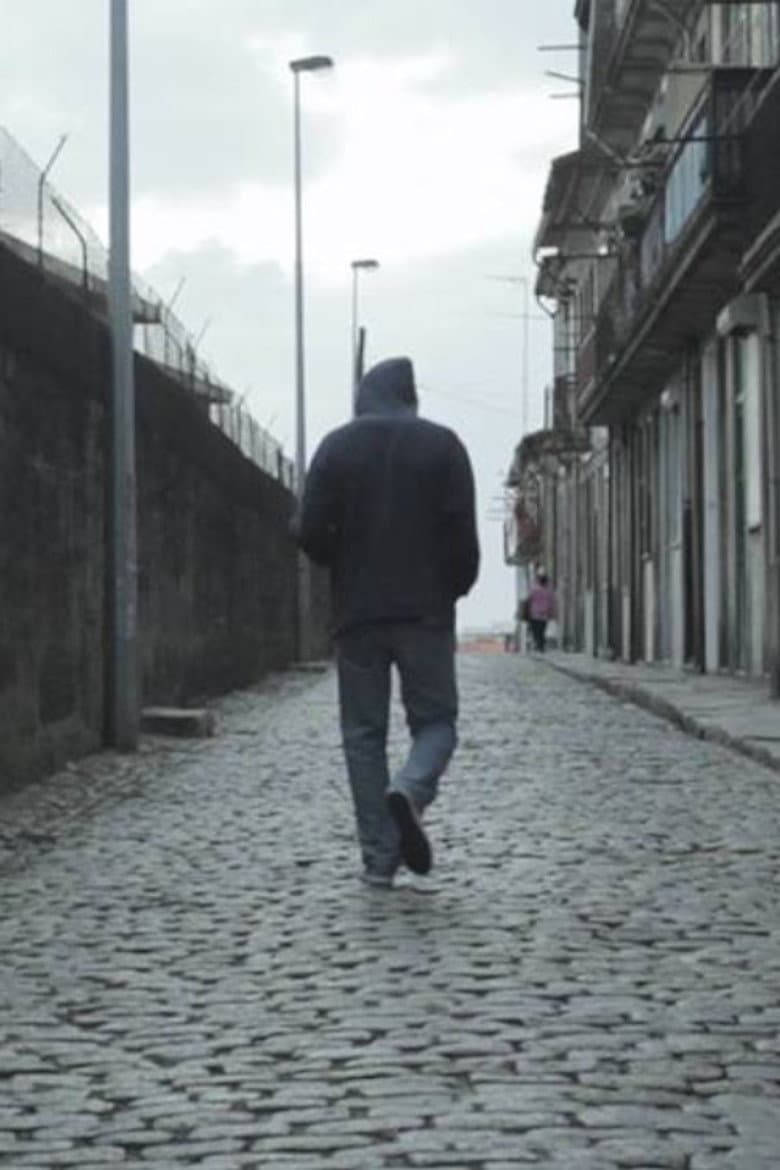
The film, directed by Francisco Fernandes Ferreira, unfolds as a meandering suburb diary, blending drama and comedy as it tracks the duo's double life. It's a Portuguese-language production with a Hollywood industry label attached, which gives it an odd, cross-continental flavor - a story about rejecting the system, told through a lens that the system itself helped produce.
A Cast of Characters Straight Out of a Suburb You Might Recognize
Francisco Tavares plays Jaime, while Carlos Simas Soto steps in as Álvaro. The supporting cast includes Filomena Cautela as Ticha, Victoria Guerra as Verónica, and Carlos Afonso as a character nicknamed "Judeu." Paulo Calatré rounds things out as Rocky, with Fernando Nobre appearing as Turco.
The film originally released on January 13, 2012, and runs just under two hours at 112 minutes. It's the kind of slow-burn character study that doesn't chase plot twists so much as it lingers in the uncomfortable space between ambition and apathy. The TMDb rating sits at 0/10, which is almost certainly a reflection of low vote counts rather than a critical verdict - obscure films often get lost in the database shuffle.
Why This Video Is Resurfacing Now
The renewed interest in the video and the film it documents seems tied to a broader cultural moment: as Hollywood leans harder into digital workflows, the few remaining analog holdouts become curiosities, then artifacts, then legends. The factory at the center of this story isn't just making film stock - it's keeping alive a tactile tradition that shaped how movies look, feel, and age.
For Álvaro and Jaime, though, the stakes are smaller and messier. They're not trying to save cinema. They're trying to avoid it - or at least avoid the version of it that demands they buy into the rat race. Their videoclub is a joke they're in on, a façade for a business that has nothing to do with movies, and a quiet rebellion against everything the film industry represents.
It's a strange, funny, and oddly poignant setup. And in a world where even the film stock itself is becoming a rare commodity, maybe that's the point. Some stories are worth telling even when the medium that carries them is fading. Or maybe especially then.
Source: nytimes.com