Romance is a science. Except when it absolutely, spectacularly isn't - and that's precisely the hypothesis The Love Hypothesis sets out to test. The adaptation of Ali Hazelwood's bestseller hit theaters yesterday, September 23, and it's already posting numbers that would make any lab jealous: a TMDb rating of 8.386 out of 10, which for a romantic comedy in 2026 is basically the equivalent of publishing in Nature.
If you've spent any time on BookTok, you already know the gospel of Olive Smith and Dr. Adam Carlsen. If you haven't - welcome, the syllabus is short. Olive, played by Lili Reinhart, is a biology PhD candidate running low on funding and high on desperation. Adam, played by Tom Bateman, is the department's resident hotshot professor, a man so famously prickly that graduate students probably warn each other about him at orientation. The fix for Olive's particular predicament? A fake relationship with the campus tyrant, naturally. Because in rom-com logic, nothing solves a problem like pretending to date the most intimidating person in the building.
Director Claire Scanlon knows her way around a sharp-tongued ensemble - she's logged serious time in television comedy - and those instincts serve her well here. At 110 minutes, the film moves like a well-practiced lab protocol: meet-cute, negotiation, contract (metaphorical, mostly), and then the slow, inevitable collapse of everyone's carefully calculated theories. Scanlon keeps the banter crackling and lets the silences do the heavy lifting, which is exactly where this kind of story lives or dies.
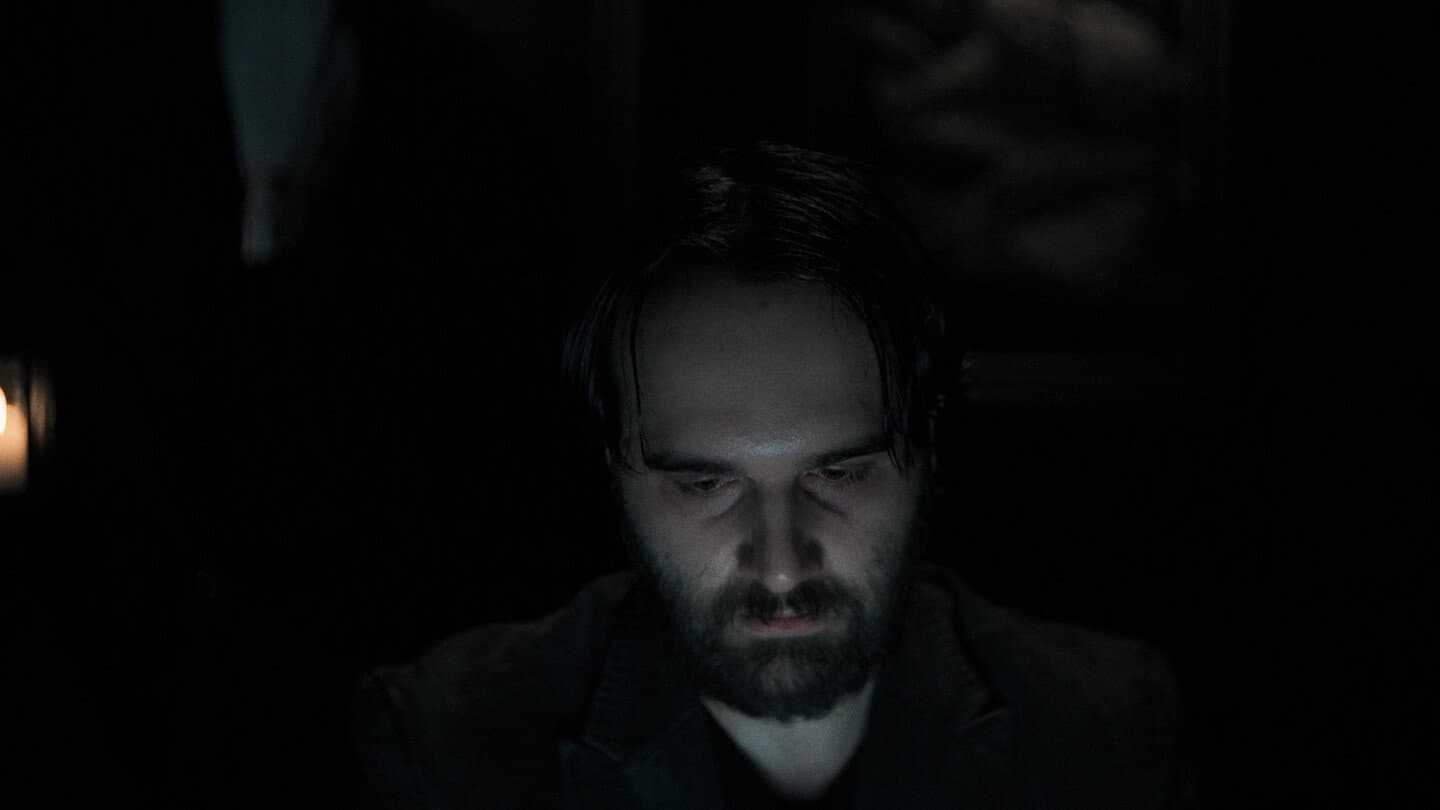
And it lives, largely on the backs of its two leads. Reinhart has spent years playing characters with a crack in their armor, and Olive might be her warmest yet - smart, frazzled, and constitutionally incapable of admitting she's in over her head until she's already three experiments deep. Bateman, meanwhile, has the harder job. Adam could easily be a cardboard grump, all scowls and tweed. Instead, Bateman plays him like a man who forgot how to be perceived as anything other than terrifying, and the small cracks of softness he lets slip are genuinely disarming. The chemistry is the real data set here, and it holds up under scrutiny.
The supporting cast makes sure the lab never feels empty. Rachel Marsh brings chaotic best-friend energy as Anh, Jaboukie Young-White gets the laughs as Malcolm, and Nicholas Duvernay's Jeremy stirs up exactly the kind of academic-adjacent mess you'd expect. Arty Froushan, Jeananne Goossen, and Kenny Wong round out a department that feels lived-in rather than staged - the petty rivalries, the coffee-stained lab coats, the way everyone knows everyone's business before the institution does.
Now, a word to the devoted: adaptations are always a gamble, and this one takes its liberties. Certain subplots get compressed, certain side characters get less runway, and the ending makes a few choices that purists will want to litigate in the group chat. But the soul of the thing - the push-pull, the intellectual sparring, the sneaky tenderness - survives intact. Scanlon understands that the appeal isn't really the fake dating. It's the moment the fake dating stops being fake and both parties realize they've been running the wrong experiment the whole time.
Is it groundbreaking? No. Is it formulaic? Sure - but so is a lot of good science. The formula works, the variables are charming, and the results are repeatable. What The Love Hypothesis gets right is the same thing that made the book a phenomenon: it treats smart people falling in love like the messy, humiliating, wonderful catastrophe it actually is. No peer review required.
So if your weekend plans involve a tub of popcorn and a craving for something that'll make you grin at the screen like an idiot, the data is in. The Love Hypothesis is in theaters now, and it's worth the price of admission. Bring a friend. Bring a skeptic. Just don't bring your thesis advisor - things get a little heated in the best possible way.