There’s a moment in every assassin movie where the hitman tries to hang up his gloves. Usually it takes a bullet wound, a betrayed mentor, or a femme fatale to get him there. In The Florist, the trigger is a friendship - and that might be the most quietly subversive thing about Hollywood’s latest action-thriller, which opened September 24 and is still finding audiences nearly a month into its run.
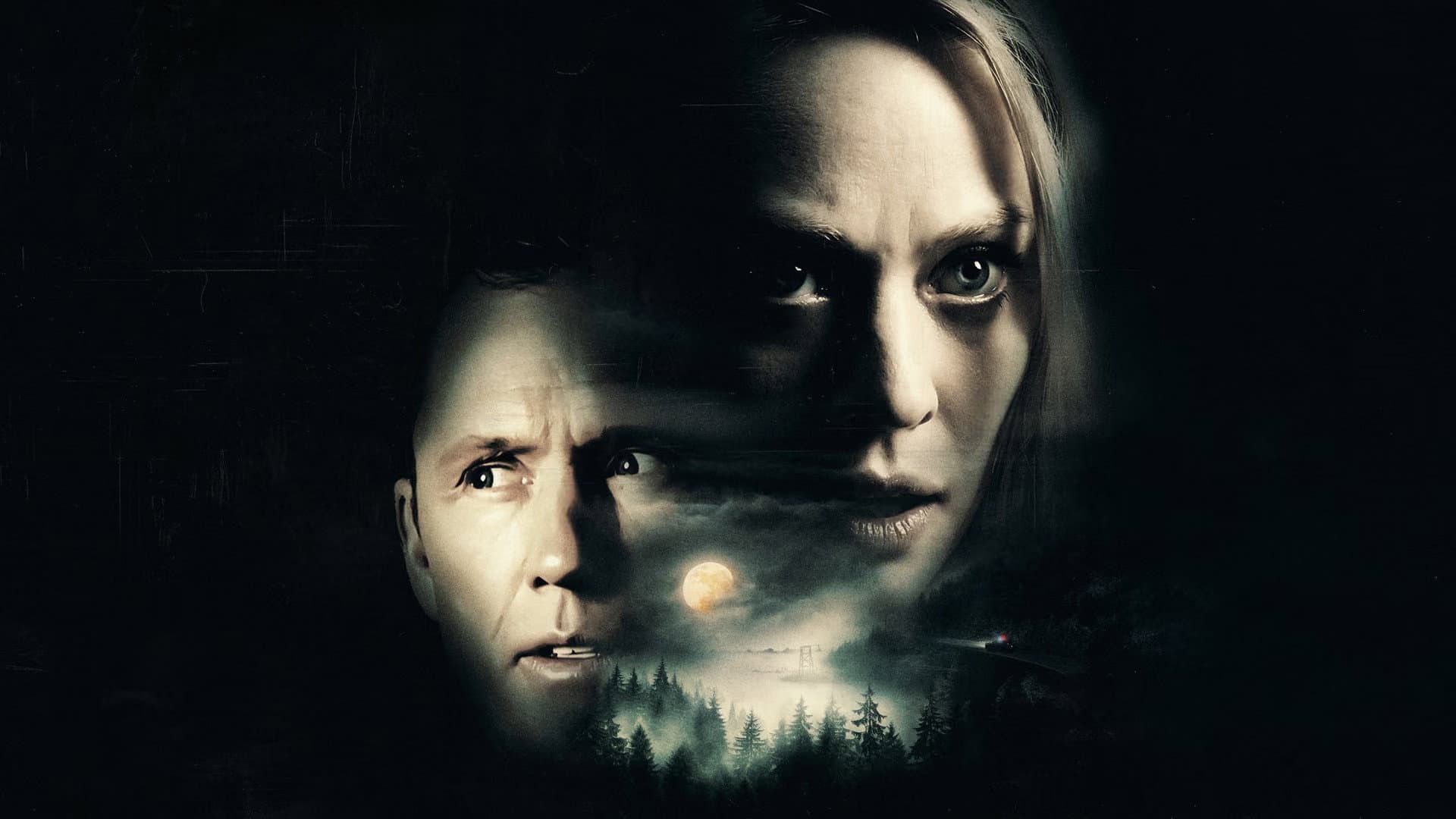
Directed by Babak Najafi, the man behind London Has Fallen and a stack of gritty, propulsive genre work, The Florist stars Dennis Quaid as Carl Rikker, a horticulturalist so soft-spoken you’d never clock him for the kind of guy who disappears problems for a living. That’s the hook: Carl talks to his ferns. He also, apparently, handles contracts that require a very specific, very discreet set of skills. Quaid - an actor who has spent five decades sliding between wholesome everyman and unnerving wild card - is the exact right vessel for a double life this literal.
The movie wastes no time braiding those two threads together. Carl’s quiet existence gets complicated when he crosses paths with Layla, played by Sky Katz, a young witness to police corruption who suddenly needs someone in her corner. What starts as an unlikely odd-couple friendship - the kind of pairing that could easily turn saccharine - becomes the pressure point that threatens to blow Carl’s carefully mulched identity wide open. In a genre where loners are usually defined by what they’ve lost, The Florist gives its lead something to protect that isn’t a daughter, a wife, or a dog. Just a kid who needed a witness to believe her.
Najafi fills out the cast with a mix of seasoned heavies and new faces. Jean Reno, a man whose IMDb page practically defines the world-weary professional, shows up as Charlie - because of course a movie like this casts Jean Reno, and because of course it works. Jim Klock brings menace as Deckard, Leonidas Gulaptis plays Woodrock, and Elsa Mollien steps in as Rebecca. Gabriel “G-Rod” Rodriguez and Dominick LaRuffa Jr. round things out as Jason and Lloyd, the kind of supporting names that give a 99-minute thriller enough texture to feel lived-in rather than sketched.
What’s striking about the film’s setup is how it flips the usual assassin-friendship math. Normally, the hitman’s humanity is a liability - the thing that gets people killed. Here, the friendship is the threat, but not because Carl goes soft. It’s because being seen, being known by someone, is the one variable a man in his line of work can’t control. A witness to police corruption is, structurally, a person who makes powerful people nervous. And a person who makes powerful people nervous is, functionally, a target. Carl doesn’t just befriend Layla. He steps into her crosshairs.
That’s a sharp little engine for a thriller, and Najafi knows how to keep it humming. The film runs a tight 99 minutes, which in an era of two-and-a-half-hour everything feels almost polite. There’s no fat on this thing - no extended training montages, no detours into mythologizing Carl’s past. The movie trusts you to understand the archetype and gets on with the bloodshed and the bonding.
Audiences have responded with a solid, if not stratospheric, TMDb rating of 6.941 out of 10 - the kind of number that suggests a movie people enjoy without necessarily evangelizing for. That tracks with what The Florist is: a well-made, well-cast genre picture that knows exactly what it’s doing and doesn’t overstay its welcome. It’s the streaming-era equivalent of a solid Friday night rental, the kind of movie that plays great on a couch with a bowl of popcorn and a friend who keeps whispering “wait, is that Jean Reno?”
And honestly, there’s something charming about the premise. In a culture obsessed with assassins as brooding icons - the Wicks, the Equalizers, the various retired killers of streaming television - The Florist presents a man whose secret life is jeopardized not by a rival syndicate but by the simple act of being a decent friend to a teenager. Quaid’s Carl isn’t tortured by his past. He’s inconvenienced by his present. That’s a fresher, funnier, more human take on a very old archetype.
The Florist might not reinvent the genre, but it understands something true about it: the best hitman stories aren’t really about killing. They’re about what a person will do to keep the one good thing they accidentally let grow. Carl Rikker spent years cultivating silence. Then a kid walked into his life and started asking questions. Now the whole garden’s in bloom, and somebody’s going to get pruned.
If you missed it in theaters, it’s the kind of title that tends to find a second life on demand - and with Quaid chewing through a role this custom-fit for him, it probably will. Just don’t expect him to show up at your local nursery.