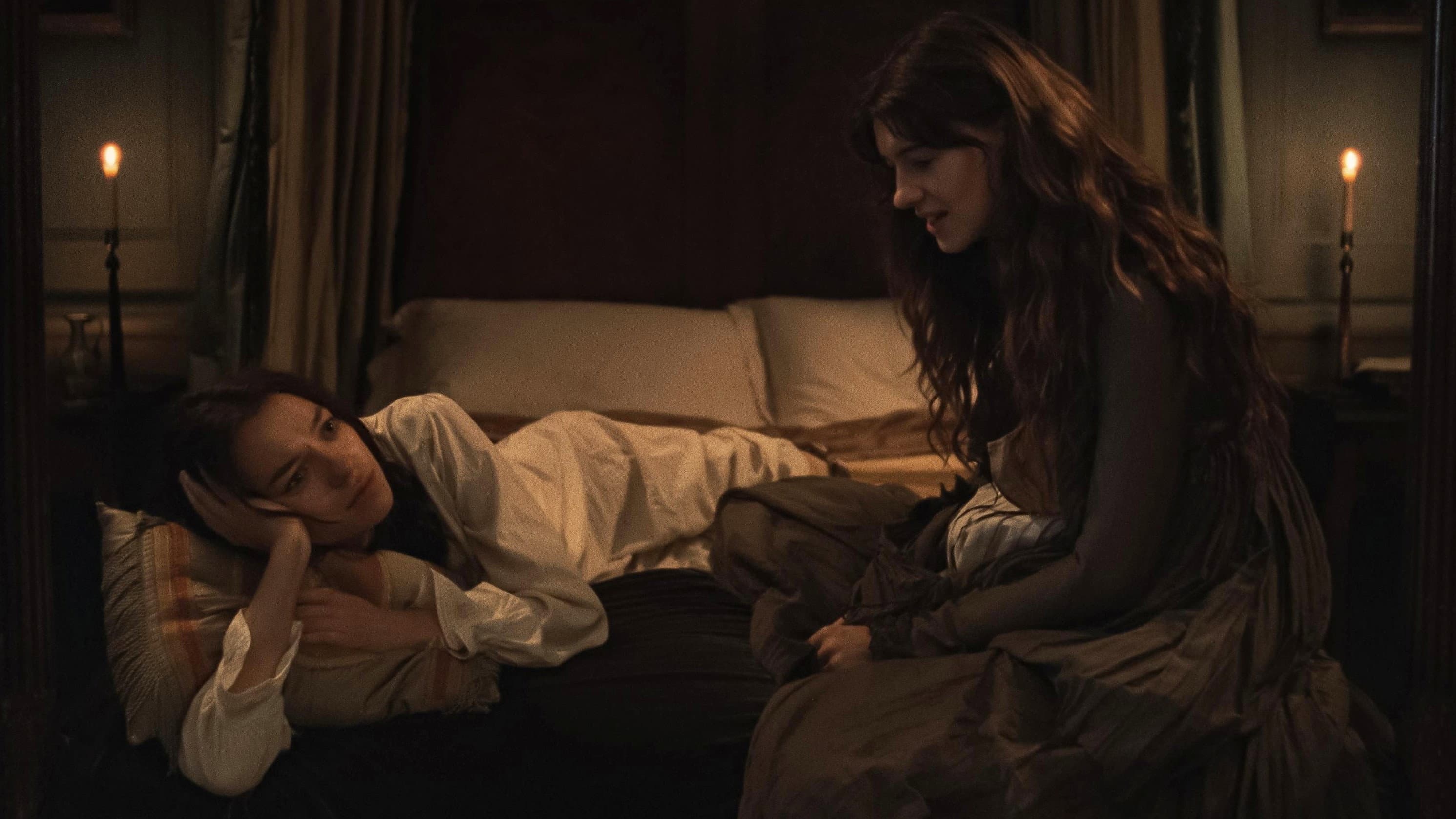
Jane Austen never went out of style, but 2026 is making a serious case that she's having her best year yet. Sense and Sensibility landed in theaters on September 23, and the film has spent the weeks since quietly doing what great adaptations do: turning a two-century-old novel into something that feels like a group chat you desperately want to be part of. Directed by Georgia Oakley, this one clocks in at 132 minutes and makes every single one of them count.
For the uninitiated - or for anyone whose only exposure to the story is that one clip of Hugh Grant being awkward in the 1995 version - the setup is simple and brutal. The Dashwood sisters lose their family home, their income, and basically their entire safety net when their father dies, and society's great solution is to shrug and hope a rich husband comes along. Elinor, the eldest, has been saddled with the family's common sense. Marianne, the middle sister, has been allotted all the feelings. Watching these two strategies collide is the whole engine of the movie.
Daisy Edgar-Jones steps into Elinor, the sister who swallows every emotion and calls it manners. It's a role that could easily become a study in clenched-jaw martyrdom, but Edgar-Jones plays her with a flickering wit that keeps you leaning in. You can practically see the sarcastic inner monologue behind every polite nod. Opposite her, Esmé Creed-Miles gives Marianne the full romantic overcommitment - dramatic readings, soulful stares, the works - without ever turning her into a joke. When Marianne falls spectacularly for Frank Dillane's Willoughby, a man with a smile like a warning label, the film lets her feel it completely, which makes the fallout land like a gut punch.
And what a supporting bench this is. Fiona Shaw's Mrs. Jennings is a gossipy force of nature, the kind of person who asks the one question you'd rather die than answer and then offers you cake. George MacKay makes Edward Ferrars so endearingly awkward you want to hand him a script for his own life. Herbert Nordrum's Colonel Brandon, meanwhile, is the quietly devastating heart of the whole thing - a man who's been through it and has the patience of someone who knows exactly what he wants and assumes he'll never get it. Caitríona Balfe brings a raw, flustered warmth to Mrs. Dashwood that keeps the family scenes from tipping into pure drawing-room stiffness, and Bodhi Rae Breathnach's Margaret is the secret weapon: a kid sister who absorbs everything and says almost nothing.
Oakley's direction finds the modern pulse in Austen's observations without dressing the story up in anything it doesn't need. The class anxiety, the money anxiety, the exhausting performance of being fine when you're not - none of it requires a leap of imagination. This is a movie where a small snub at a dinner party registers as a full-body event, and where the question of who can afford to be honest is always simmering under the conversation. It's also genuinely funny, in that dry, loaded way where a single raised eyebrow does the work of an entire monologue.
The numbers suggest audiences are clicking with it too: a 7.354 on TMDb and a 7.2 on IMDb, which for a period drama in wide release is the kind of showing that makes studio executives start using the word "appetite." Newcomers are discovering the story fresh, and longtime Austen people are arguing about which sister they are in the group chats. (Spoiler: everyone claims Elinor, everyone is Marianne.)
What makes this Sense and Sensibility worth your evening is that it understands the novel's real subject isn't romance - it's the terror of being honest in a world that punishes it. Elinor and Marianne aren't opposites so much as two people trying to survive the same pressure from different angles. By the time the film reaches its emotional payoff, you're not just rooting for the couples. You're rooting for the sisters to finally figure out how to hold each other up - overthinking, overfeeling, and all.