There's a moment in every great rock documentary where the story stops being about the music and starts being about the people. In Oasis: Don't Look Back in Anger, that moment arrives early, and it never really lets go. Dylan Southern's 123-minute film, which hit theaters on September 9, 2026, isn't just a victory lap for the long-awaited Oasis Live '25 reunion - it's a full-throttle ride through the band's chaotic, glorious, deeply human history, told through rare footage and stories that even the most hardcore fans haven't heard.
You know the beats by heart. Two brothers from Manchester, a working-class swagger, a debut album that detonated like a bomb in the middle of Britpop. But Southern - who's spent his career capturing musicians at their most unguarded - doesn't just retell the legend. He dismantles it, then rebuilds it in front of you, one grainy backstage clip and one unfiltered interview at a time.
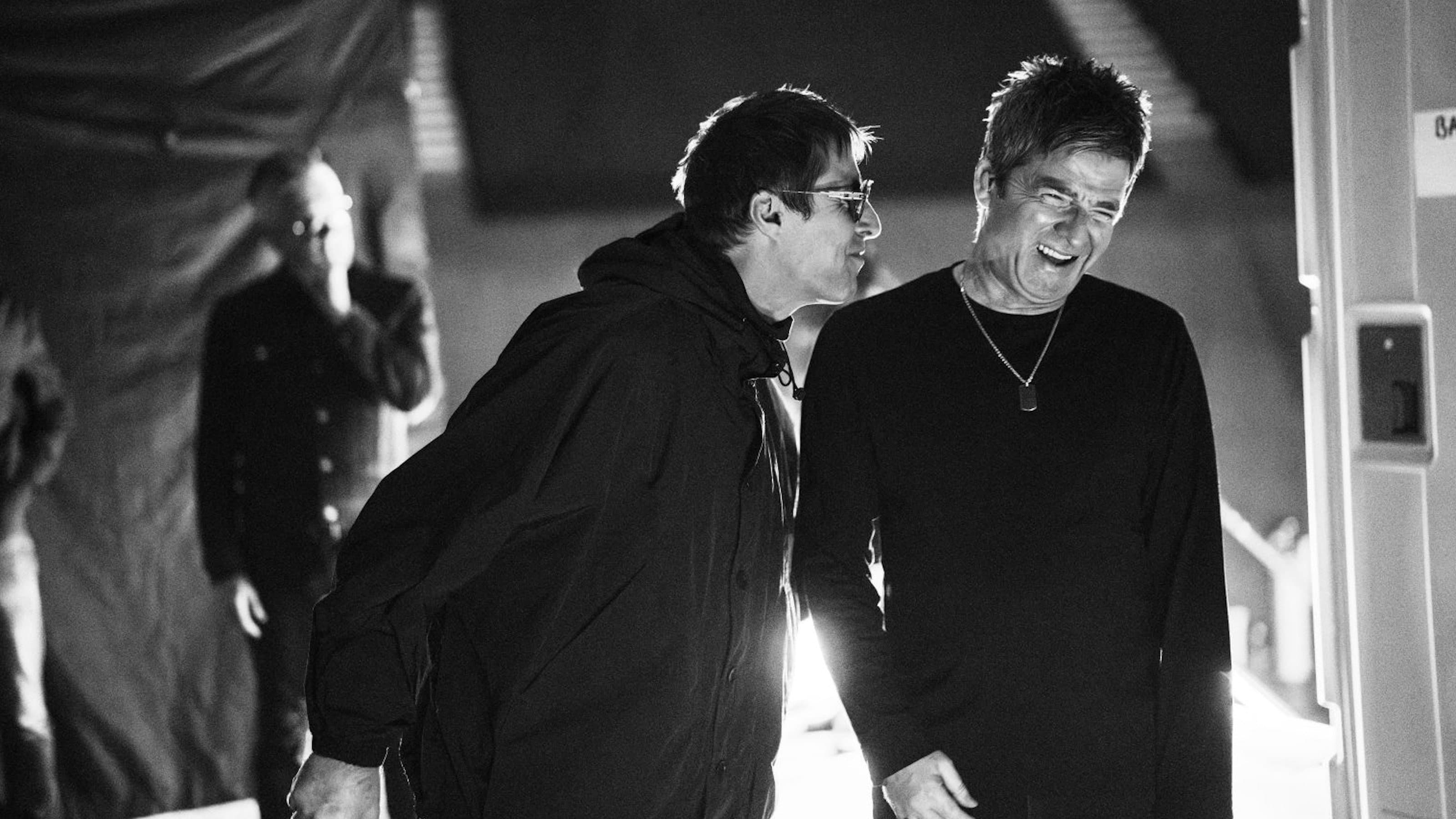
The film's greatest asset is its access. Liam Gallagher, Noel Gallagher, Paul Arthurs, Gem Archer, Andy Bell - they're all here, but they're not performing for the camera. They're remembering. And what's striking is how much of that memory is laced with something softer than the tabloid version of Oasis would have you believe. There's laughter. There's eye-rolling. There's a moment where one of them - you'll know it when you see it - talks about the early days in Manchester with a kind of tenderness that feels almost subversive for a band built on swagger.
Joey Waronker and Christian Madden round out the cast, along with Anaïs Gallagher, whose presence adds a generational layer to the story. This isn't just a documentary about a band. It's a documentary about what happens when a band becomes a family, then a battlefield, then a family again.
Southern keeps the pacing sharp. The runtime flies by, and he's smart enough to let the archival footage breathe - those early gigs where the sound is rough and the ambition is huge, the interviews where the tension between the brothers is so thick you could cut it with a guitar pick. He doesn't shy away from the fights. But he also doesn't wallow in them. The film's title is a promise, after all. Don't look back in anger. Look back with clarity.
And that's what makes this documentary land. It's not trying to be a definitive history. It's trying to be an honest one. The Oasis Live '25 reunion isn't treated as a cynical cash grab or a triumphant comeback narrative. It's treated as what it is: a group of men who spent decades orbiting each other, finally finding a reason to stand on the same stage. The film doesn't over-explain it. It just shows it, trusts you to feel it.
The TMDb rating sits at 7.5 out of 10, which feels about right for a film that's more interested in texture than spectacle. This is Hollywood-made, English-language, and unapologetically British in its soul - but its themes are universal. Ego. Loyalty. The impossible math of loving someone you've spent your whole life fighting with.
If you came for the hits, you'll get them. The music is woven through the film like a heartbeat. But if you stay for the stories, that's where the real reward is. Oasis: Don't Look Back in Anger doesn't ask you to forgive the past. It asks you to understand it. And in doing so, it gives you something the tabloids never could: a portrait of a band that's messy, complicated, and still standing.
So maybe that's the real reunion. Not the stage. Not the tour. Just four guys in a room, finally telling the truth. And honestly? That's worth the ticket price alone.