There is a particular kind of quiet that settles over a city at 3 a.m. - the hum of air conditioners, the distant shuffle of a bus that shouldn't be running, the low murmur of people saying things they'd never say in daylight. That's the atmosphere Yuval Abraham built a documentary out of, and somehow, that documentary has become one of the most talked-about films of the fall.
"NAZA" hit theaters on September 25, 2026, and in the two weeks since, it has done what few documentaries manage: it crossed over. It's the kind of movie people argue about in group chats, the kind that gets screenshotted and quote-tweeted, the kind that makes you put your phone face-down on the table when the credits roll. With a TMDb rating sitting at a sturdy 8.12/10, audiences aren't just watching it - they're wrestling with it.
The premise is deceptively simple. Over the course of 77 minutes, Abraham - who also serves as the film's sole credited cast member, appearing as himself - assembles a series of secret nighttime conversations held on Tel Aviv rooftops. The people speaking aren't anonymous witnesses or distant officials. They're the architects. The engineers. The operators. The ones who built and ran the systems behind what the film describes as Israel's calculated mass killing of Palestinian civilians in Gaza. They talk because the dark makes it feel possible. They talk because, at some point, the weight of carrying it in silence becomes its own kind of war.
Seventy-seven minutes is a strange length for a documentary. Too short for a sprawling historical epic, too long for a quick hit piece. But "NAZA" seems to understand that 77 minutes is exactly how long you can hold your breath. It's not a film that pads itself with archival footage and talking-head padding. It's a film that lets silence do work - the pauses between sentences, the wind whipping across a rooftop, the sound of someone deciding whether to keep going.
Abraham is not a neutral presence in his own film. He's there, on screen, listening. And that listening becomes its own character. In a media landscape built on interruption - pundits shouting over each other, TikTok clips cut to the beat - "NAZA" is almost radical in its patience. It trusts the viewer to sit with discomfort rather than resolve it.
Part of what makes the film's reception so fascinating is its industry positioning. "NAZA" is an English-language documentary operating within the Hollywood machine, which is not where most films like this land. Documentaries of this nature often circulate in festival bubbles and niche streaming corners. This one got a theatrical rollout. That's a choice, and it's a choice that has consequences: it means people who don't usually watch documentaries of this nature are buying tickets, and it means the conversations happening in lobbies afterward are happening in places that weren't necessarily prepared for them.
The timing is also hard to ignore. October 2026 is a busy moment - awards season is creeping up, festival winners are jockeying for position, and audiences are already exhausted by a year of loud, expensive, franchise-heavy releases. A 77-minute documentary about clandestine rooftop confessions shouldn't be the thing that breaks through. And yet.
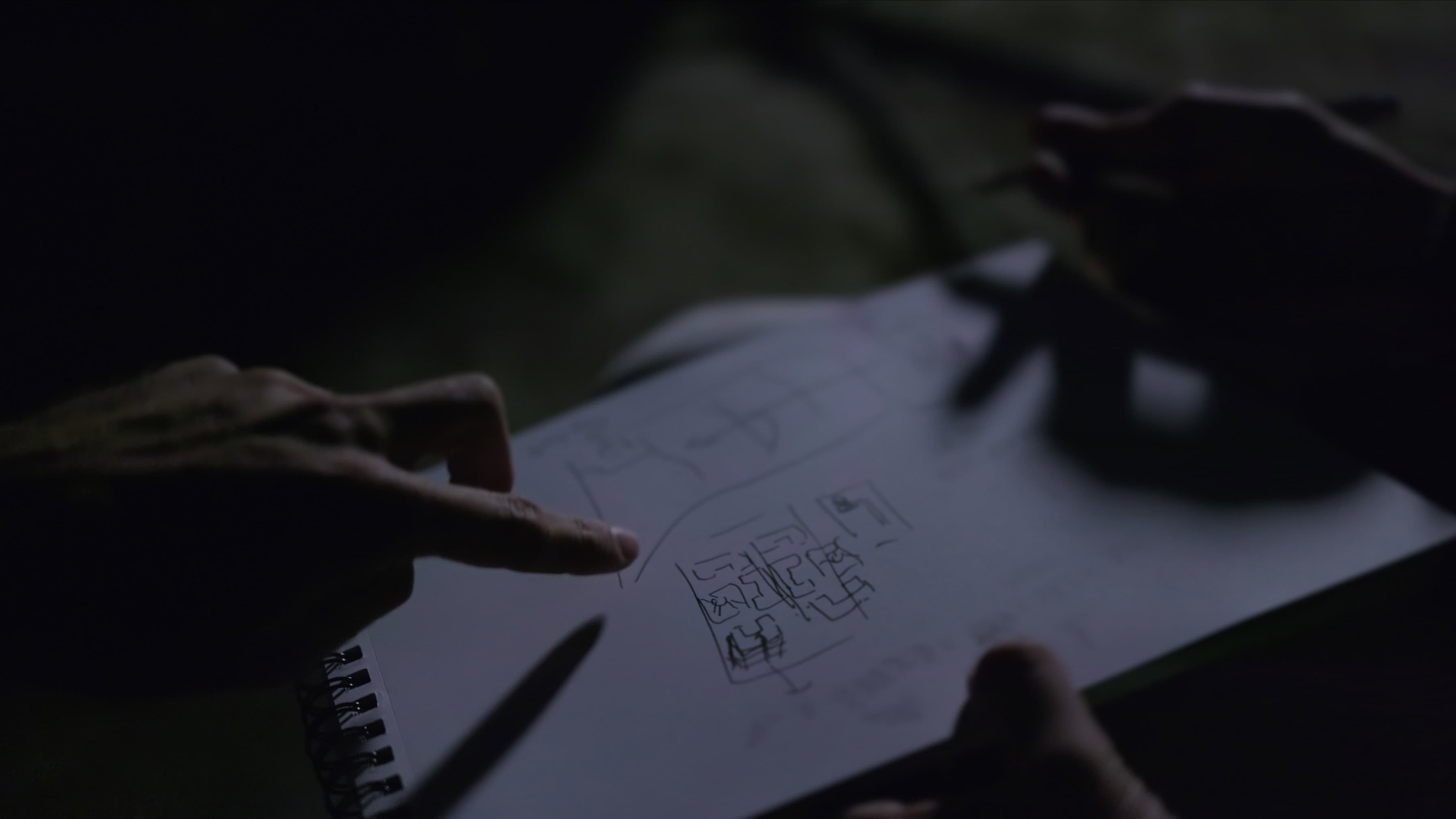
There's something almost cinematic about the setup itself - the rooftops, the night, the confession. It's the stuff of noir, except the criminals are systems and the detectives are the people who built them. Abraham doesn't dress it up. He doesn't need to. The visual language of the film is spare and direct, letting the words carry the weight. The effect is less like watching a movie and more like being let in on something you're not supposed to hear.
And that's the tension "NAZA" lives in. It's a film about secrecy that has become, by its very existence, public. It's a film about systems that is now part of a system - the Hollywood release calendar, the awards conversation, the cultural churn. Whether that tension makes the film more powerful or dilutes it is a question every viewer will answer differently.
What's undeniable is that "NAZA" has done the one thing documentaries rarely get to do anymore: it made itself unavoidable. It's in the discourse. It's on the list. It's the film your friend who only watches documentaries has been texting you about for two weeks. And for 77 minutes, it asks you to climb up to that rooftop, stand in the dark, and just listen.