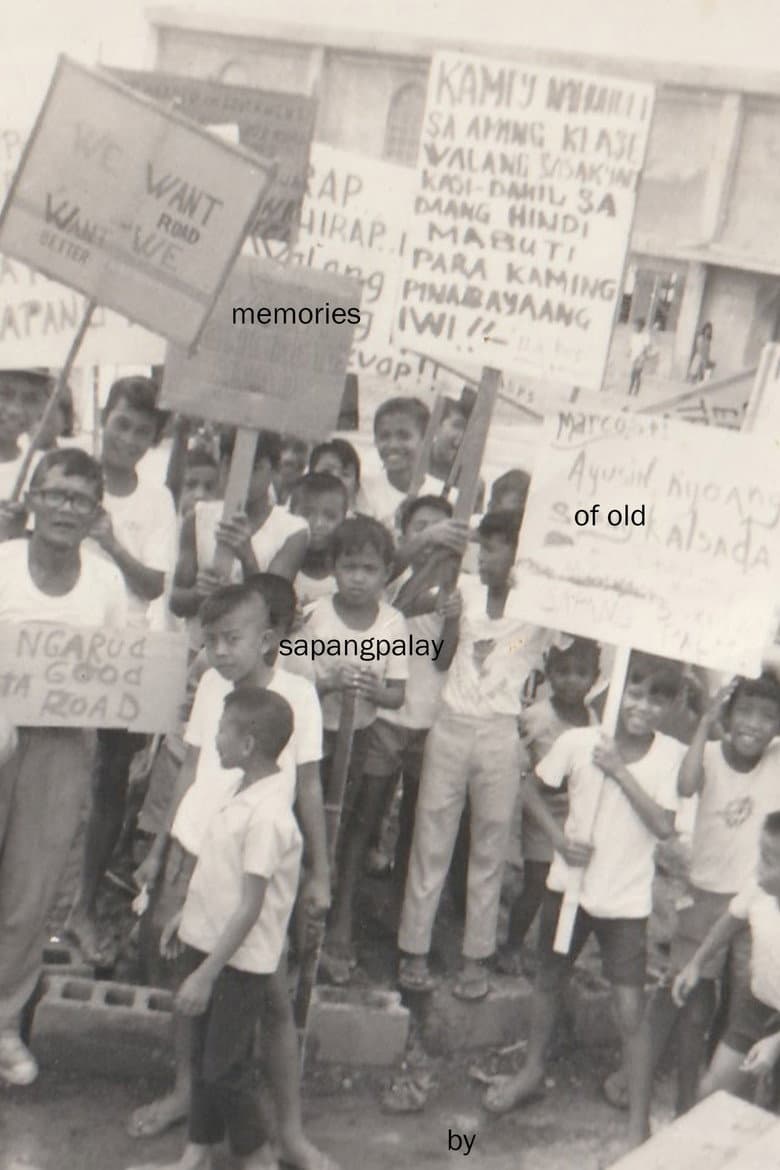
MOOSAP: Old Sapang Palay Memories Film Preview
Photo: TMDb
Hey MovieBuzz readers, mark your calendars for something a little different. While the multiplexes are jam-packed with superhero sequels and franchise reboots, there’s a tiny, five-minute cinematic grenade about to go off that you absolutely need on your radar. We’re talking about MOOSAP (Memories of Old Sapang Palay), a film that's less about escapism and more about looking squarely into the mirror of history - and maybe not loving what we see.
It’s dropping right in the middle of the summer movie season, on August 11, 2026, and it’s poised to be the most thought-provoking five minutes you’ll spend in a theater - or on your couch - all year.
Release Date & Where to Watch
This one’s a bit of a special case. With a runtime of just five minutes, MOOSAP isn't getting the standard wide-release treatment. Think of it more like a limited-edition collectible. You’ll want to keep your eyes peeled for its premiere on August 11, 2026, as it’s expected to make the rounds on the film festival circuit before hitting a streaming platform. Given the experimental nature and the weight of its subject matter, it’s a prime candidate for platforms like Mubi or the Criterion Collection’s streaming arm, which love this kind of dense, historically-aware short film. But don’t sleep on it - films this potent have a way of selling out quick at indie theaters and special screenings. Your best bet is to follow the film’s official socials and set a reminder for the release date. This isn't a movie you'll stumble upon by accident; it's one you'll have to seek out, and trust us, the hunt is part of the experience.
Cast & Crew
Here’s the thing about experimental cinema: sometimes the biggest star is the vision behind the camera. For MOOSAP, that visionary is director Edsel Gasmen. While you might not see his name plastered on billboards next to a Marvel logo, Gasmen is a filmmaker’s filmmaker, known for a meticulous, socially-conscious eye that refuses to look away from the uncomfortable truths of urban history. He’s operating in that space where documentary meets avant-garde, where the archival footage isn’t just used - it’s interrogated.
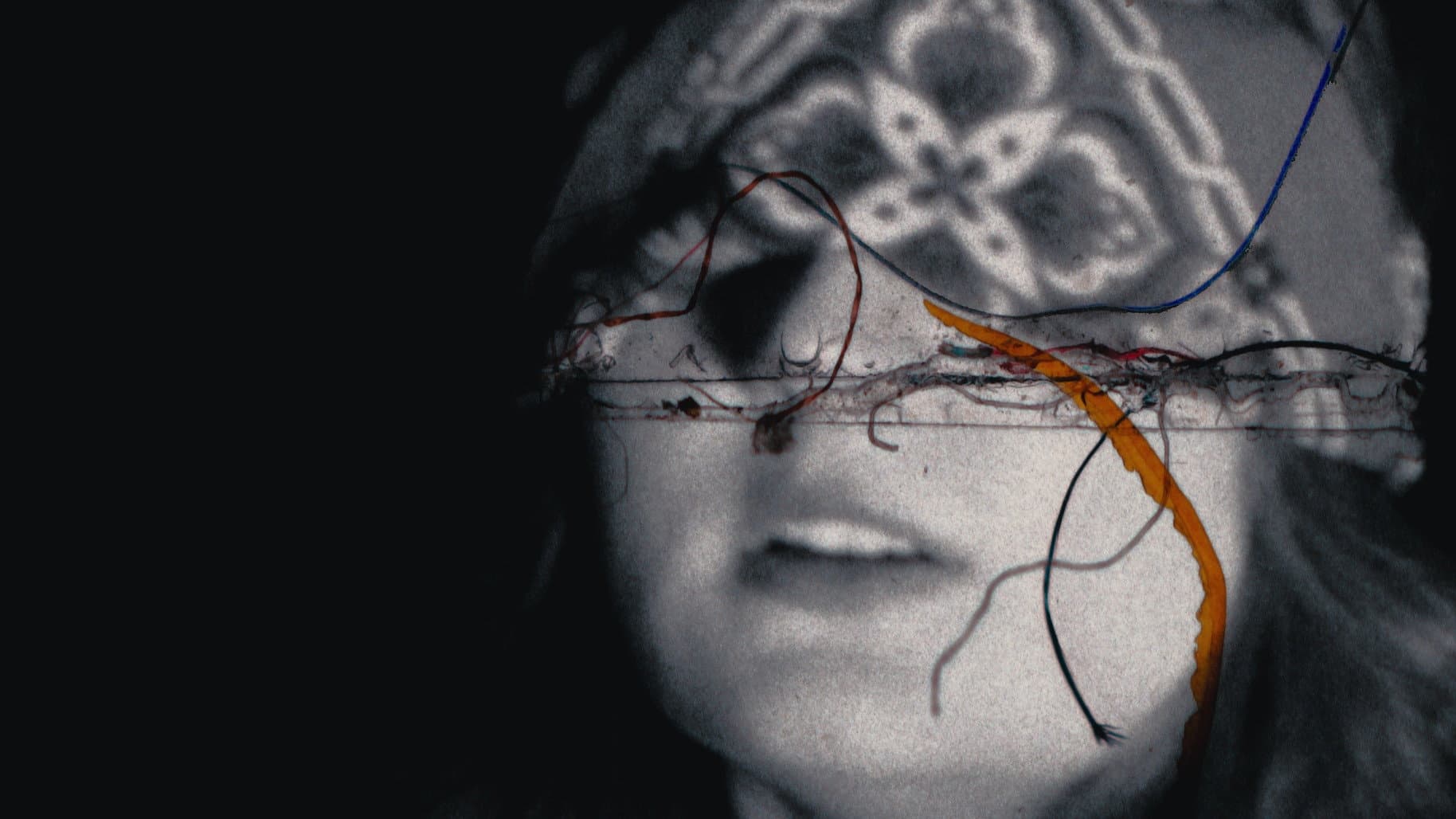
The cast is a bit of a mystery, and honestly, in a film this short and thematically dense, the human faces often become ciphers for a larger collective experience. The real "cast" here might be the ghosts of the past - the grainy, 1970s archival footage of the actual settlers of Sapang Palay. Gasmen uses their voices, their faces, and their struggle as the raw material, weaving it together with modern-day imagery to create a dialogue across decades. It’s a bold choice that positions the film less as a narrative with characters and more as an immersive historical document. So while you won't be Googling a breakout star after the credits roll, you’ll be thinking about the faces of the people in that archive footage for a long, long time.
Story & What to Expect
Let’s get into the meat of it. MOOSAP - which stands for Memories of Old Sapang Palay - is a deep dive into a wound in Manila’s history that hasn't fully healed. The premise is deceptively simple: in the 1970s, families were forcibly displaced from Manila and relocated to Sapang Palay under the “false promise of a better life.” Instead, they were met with severe neglect, left to fend for themselves in a place with little infrastructure and fewer resources. The film captures the boiling point of that despair, when the community finally had enough and marched all the way to Malacañang Palace to demand the most basic of necessities: water, food, shelter.
But MOOSAP isn’t a straightforward historical reenactment. That’s where the "experimental" tag comes in. Gasmen isn’t interested in just showing you what happened; he wants you to feel the cyclical nature of it. He masterfully intercuts that 1970s struggle with contemporary parallels - modern-day displacements, the ongoing cycles of urban renewal that push the poor further to the margins, and the echoing feeling of being promised a seat at the table only to find the table has been moved.
Expect a visceral, non-linear experience. Don't come in expecting a three-act structure. Come in expecting a visual essay that hits like a punch to the gut. The sound design will likely be as important as the imagery - the noise of protests giving way to the quiet, stubborn silence of a community waiting for a promise to be kept. It asks a devastating question that hangs in the air long after the five minutes are up: how long must a people walk before their voices are actually heard? And what happens when the only thing they find at the end of that walk is another empty promise? It’s a powerful, sobering question that feels incredibly urgent in our current climate.
Why It's Worth Watching
Look, if you’re in the mood for something light and fluffy, this isn’t it. But if you’re someone who believes cinema’s power lies in its ability to provoke, to educate, and to transport you into someone else’s reality, then MOOSAP is essential viewing. In a world of two-and-a-half-hour blockbusters, there's something incredibly audacious about a five-minute film that packs more thematic weight than most epics manage in their entire runtime.
It’s a conversation starter. You’re not just going to watch this; you’re going to want to talk about it, to argue about it, to Google the history of Sapang Palay afterward. It’s the kind of film that makes you a more conscious viewer and, arguably, a more conscious citizen. It uses the language of the avant-garde to speak directly to our modern moment of housing crises, income inequality, and the ever-widening gap between the government and the governed. This is history not as a dusty relic, but as a living, breathing monster that keeps repeating itself.
So, take a break from the explosions and the capes. Give five minutes of your day to a film that dares to ask the hard questions and refuses to give you an easy, comforting answer. MOOSAP (Memories of Old Sapang Palay) is more than just a short film; it’s a necessary, haunting piece of cinema that will challenge you, move you, and stick with you. Watch it, and let us know what you think - we have a feeling the conversation is just getting started.