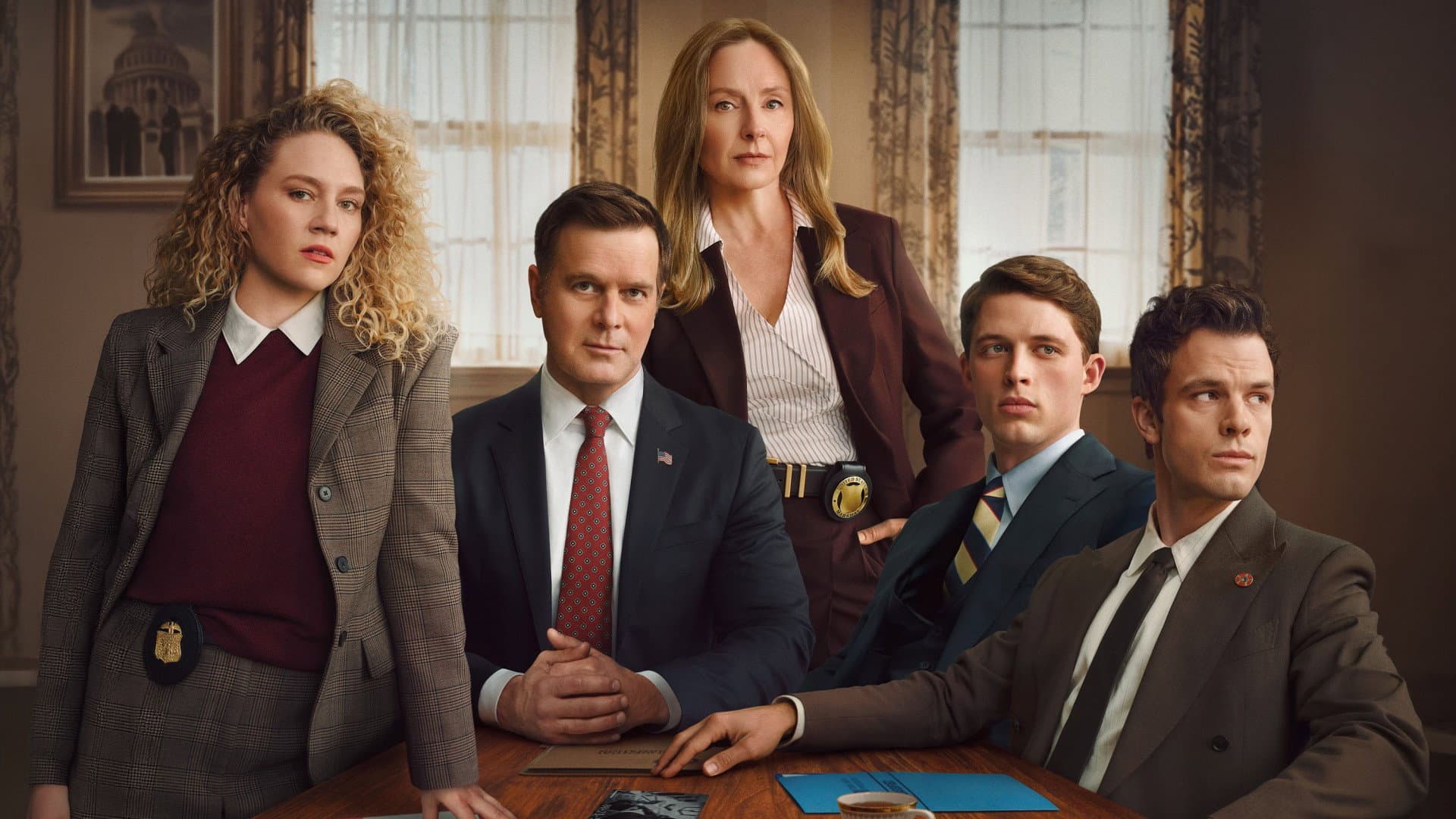
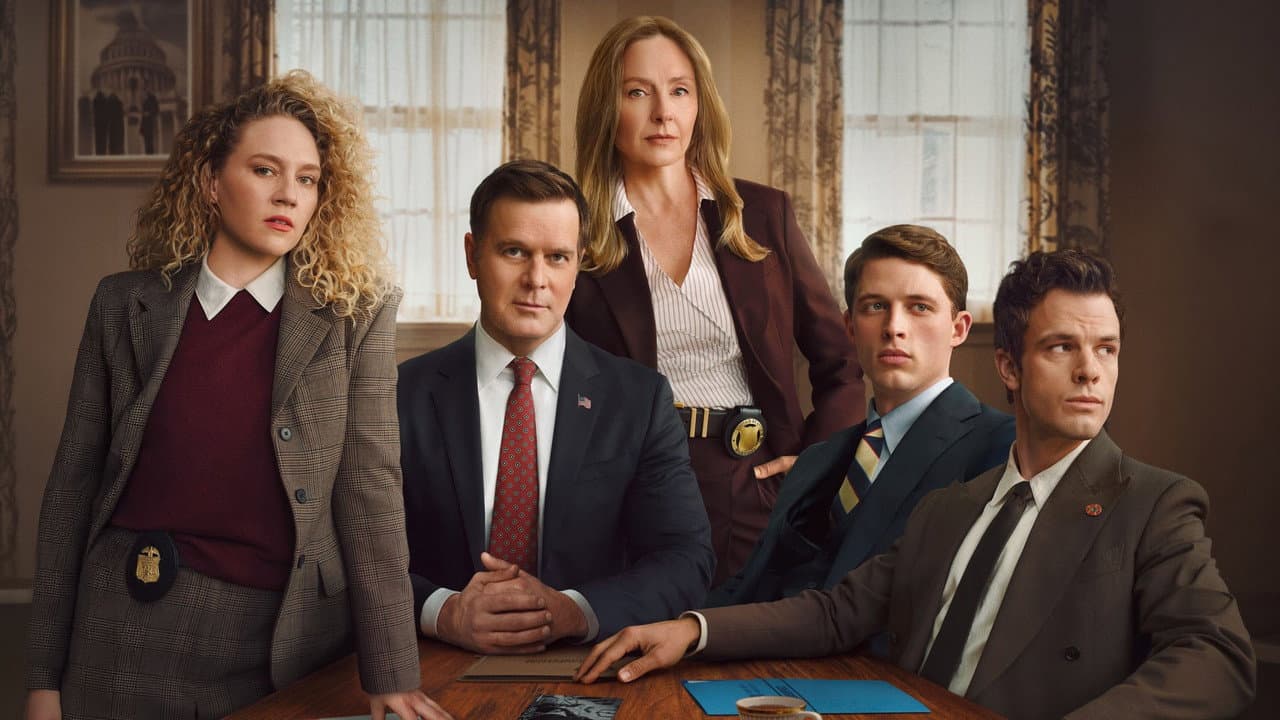
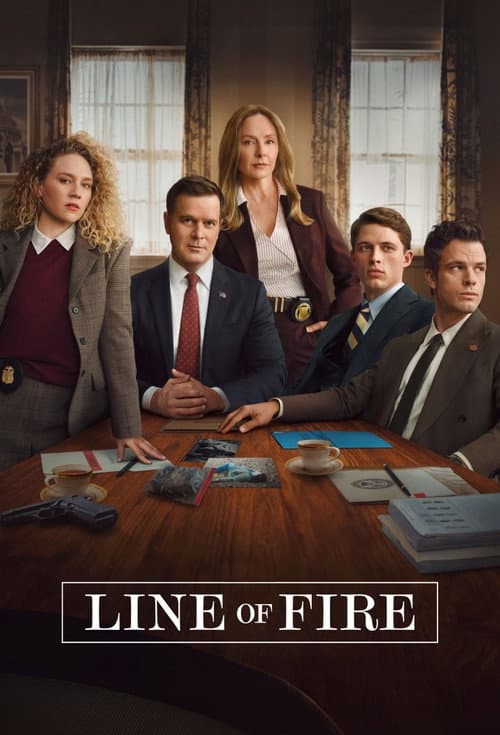
Let's start with the good news: this cast is absurdly overqualified, and it shows. Peter Krause has been television royalty since the days of "Six Feet Under" and "Parenthood," and watching him play the weary patriarch with a badge is a genuine pleasure. Hope Davis matches him beat for beat, bringing a steely intelligence that makes Jane feel like the smartest person in any room she enters. Kat Cunning brings a younger, rawer energy to Clare, while Tommy O'Brien and Taylor Bloom do solid work as the junior members of the clan.
Charlie Barnett rounds out the ensemble, though the show keeps his character's cards close to the vest in a way that feels more like withholding than mystery-building.
Where "Line of Fire" stumbles is in its structure. Juggling four separate law enforcement agencies is ambitious, but the series treats the jurisdictional differences more like flavor text than actual narrative friction. We're told the family crosses professional boundaries, but we rarely feel the consequences in a way that truly stings. The conspiracy at the center of the season has its moments - a mid-season pivot genuinely lands - but too often the show reaches for tension it hasn't earned.
Tonally, it sits somewhere between prestige drama and network procedural. That's not a knock, exactly. There's a comfort to its rhythms, the way each episode unspools a case-of-the-week before tugging the larger thread. But the "prestige" instincts - the murky moral dilemmas, the family betrayals - clash with the tidier procedural machinery. The result is a show that feels caught between two identities, much like its characters.
The dialogue can be a mixed bag too. For every sharp exchange between Krause and Davis, there's a clunky expository line explaining what a Marshal actually does. It's the kind of writing that trusts the audience's intelligence one minute and spoon-feeds it the next.
That said, when "Line of Fire" fires, it hits. The final stretch of the season finally lets the family dynamics take center stage, and the chemistry between the ensemble sells the emotional stakes in a way the plotting alone couldn't. If the show gets a second season, there's a genuinely compelling version of this lurking beneath the surface.