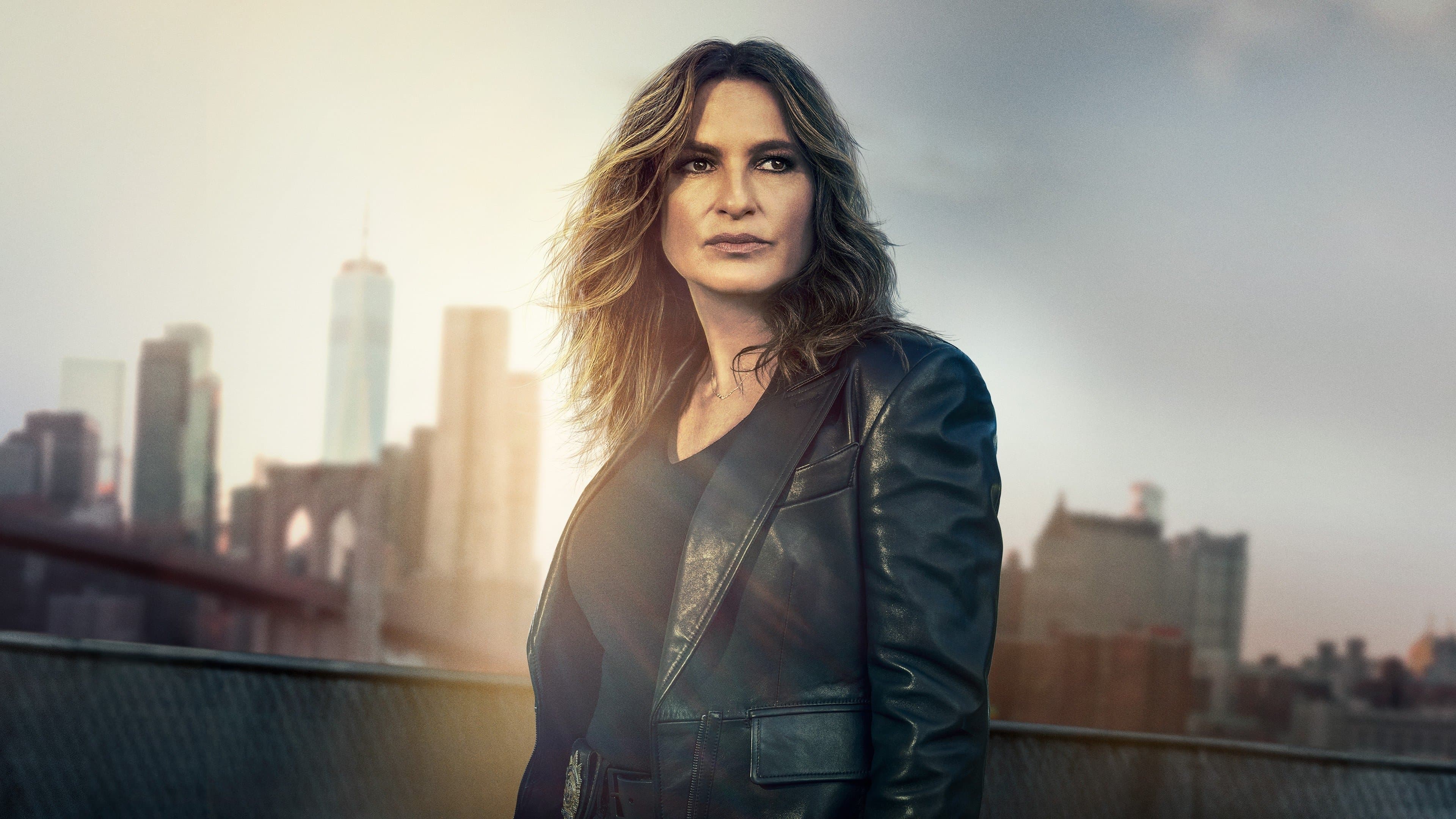
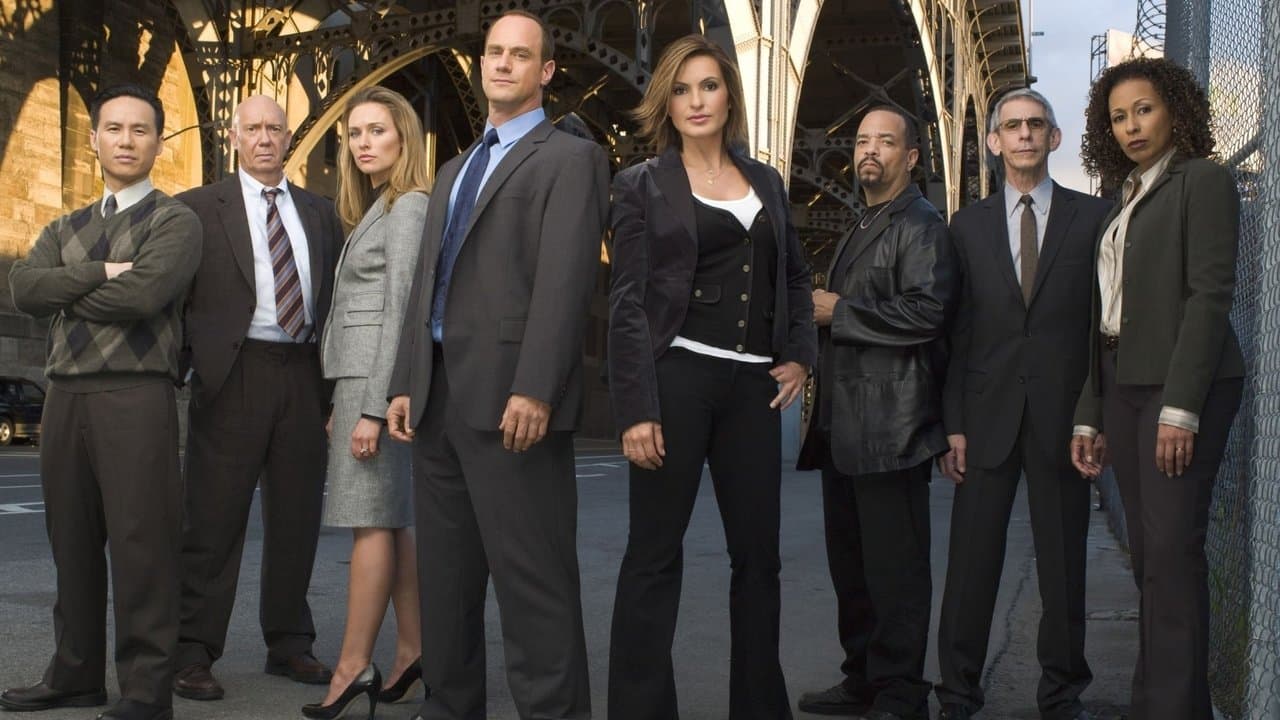
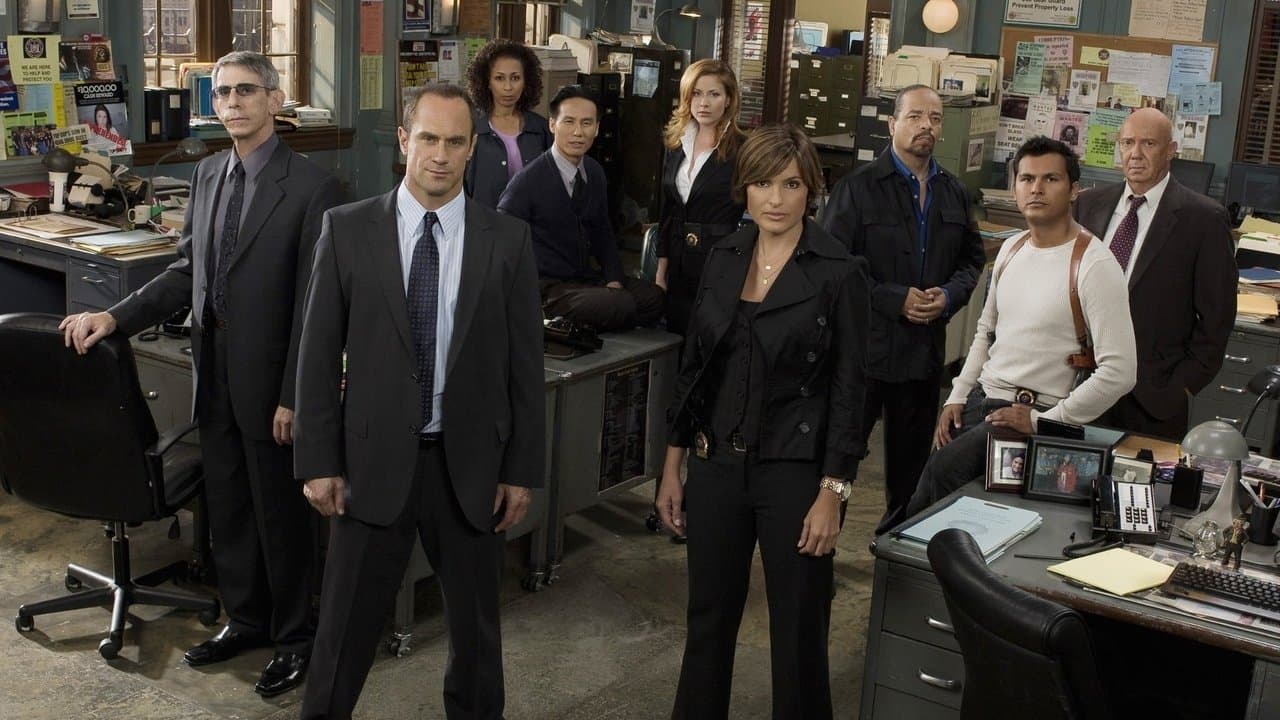
Here's the thing about SVU at this stage in its life: it's less a TV show and more a piece of American furniture. It's been on since 1999. It's survived cast shakeups, cultural reckonings, the streaming wars, and roughly nine presidential administrations' worth of news cycles. And yet every fall, it shows up, does its job, and goes home.
Season 28 is no different, and that's both the praise and the critique.
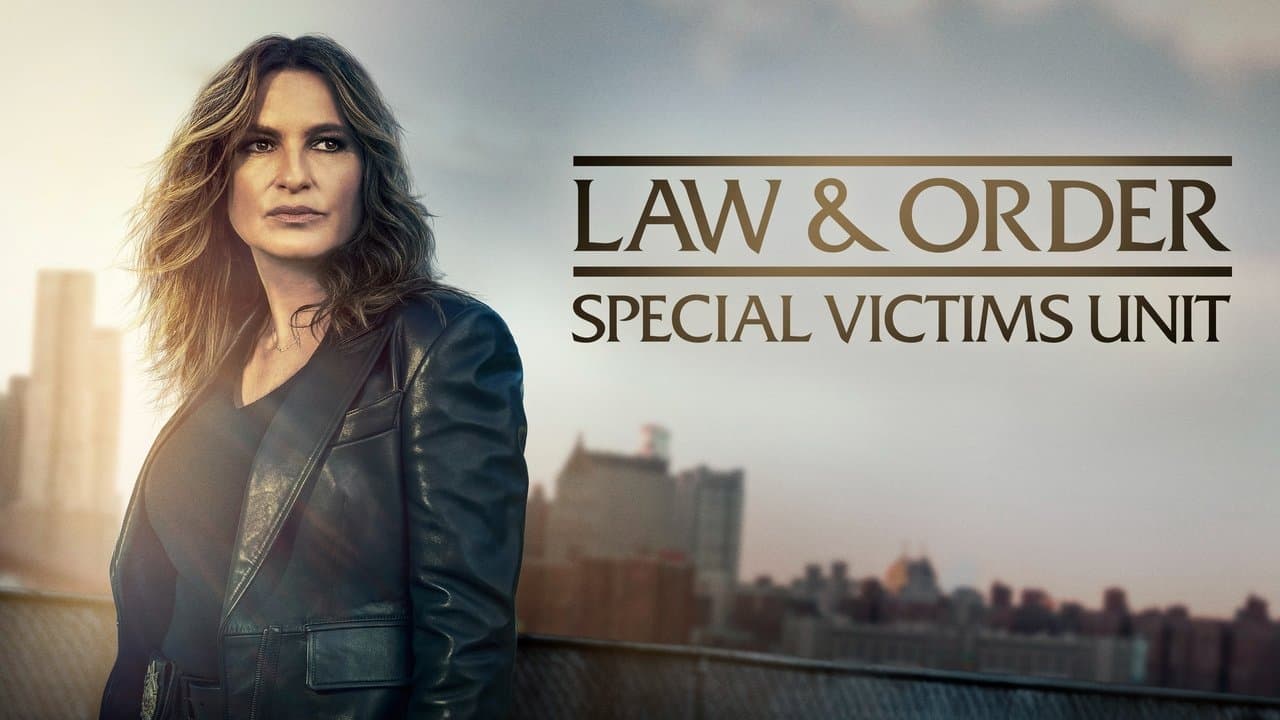
What continues to work is the anchor. Hargitay has been playing Benson for so long that the character has effectively become the show's spine - the moral compass, the institutional memory, and, on good weeks, the emotional payload. There's a reason she's the longest-running live-action primetime character in American TV history, and it's not just inertia. When the script hands her a moment of quiet devastation, she still sells it.
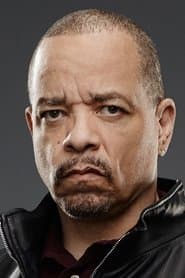
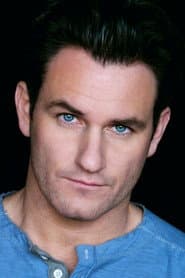
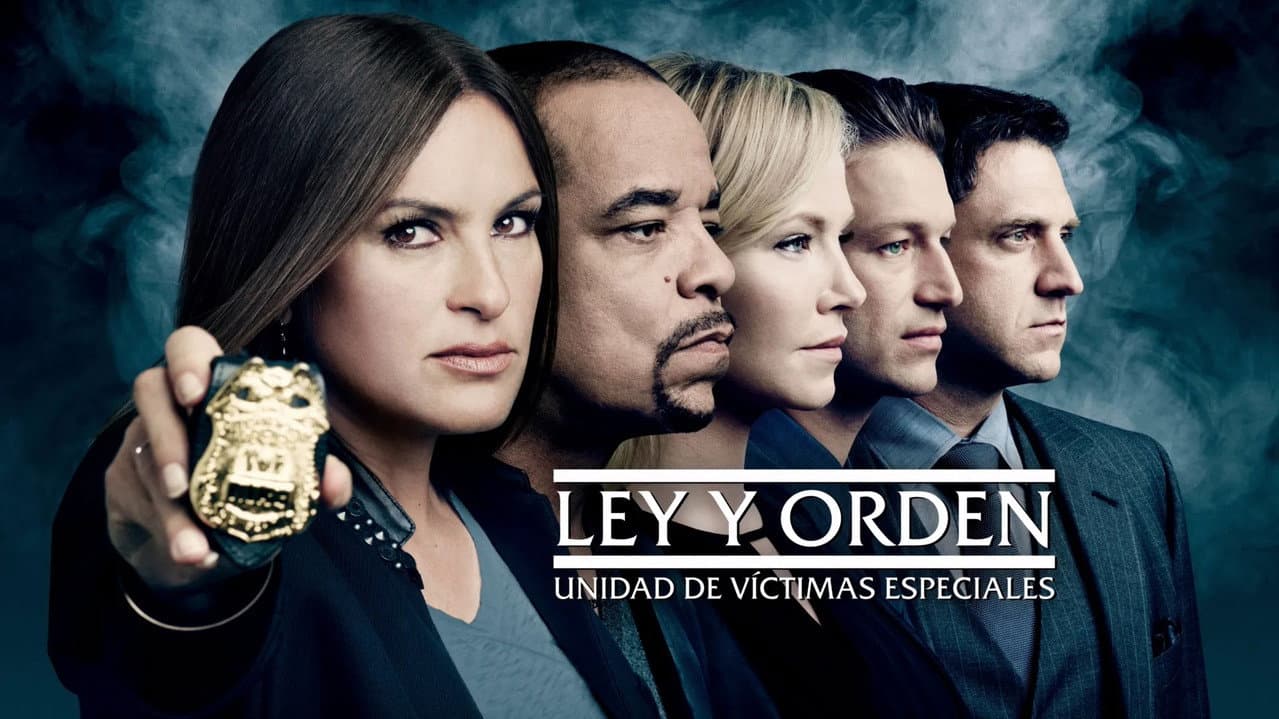
Ice-T remains the stealth MVP. Fin has never needed a monologue to make his point, and the actor's dry, almost bored delivery has aged like a fine, extremely cynical wine. Around him, the ensemble keeps the machine humming. Carisi's arc from detective to ADA has given Scanavino some of the juiciest material of his tenure, and the newer additions - Kelly's Curry, Kane's Bruno, Cott's Griffin - slot into the squad room without feeling like they're auditioning for a different show.
The format, of course, is bulletproof. Case opens. Investigation twists. Legal wrangling ensues. Somewhere in there, a compelling guest performance knocks your socks off and a closing scene leaves you vaguely unsettled about humanity. It's a recipe, and SVU has been perfecting it since before most of TikTok was born.
The flip side? There's a certain déjà vu to the whole enterprise. Season 28 isn't reinventing the wheel, and after this many laps around the track, the show knows exactly which buttons to push. If you're looking for a narrative shakeup that upends the formula, keep looking. If you're looking for comfort food that occasionally punches you in the gut, pull up a chair.
It's also worth noting the show still carries its original DNA - these are stories about victims, told with a straight face, and that seriousness is precisely why it's lasted. It's not prestige TV in the flashy sense. It's something arguably rarer: a workhorse procedural that has genuinely shaped how a generation talks about these crimes.