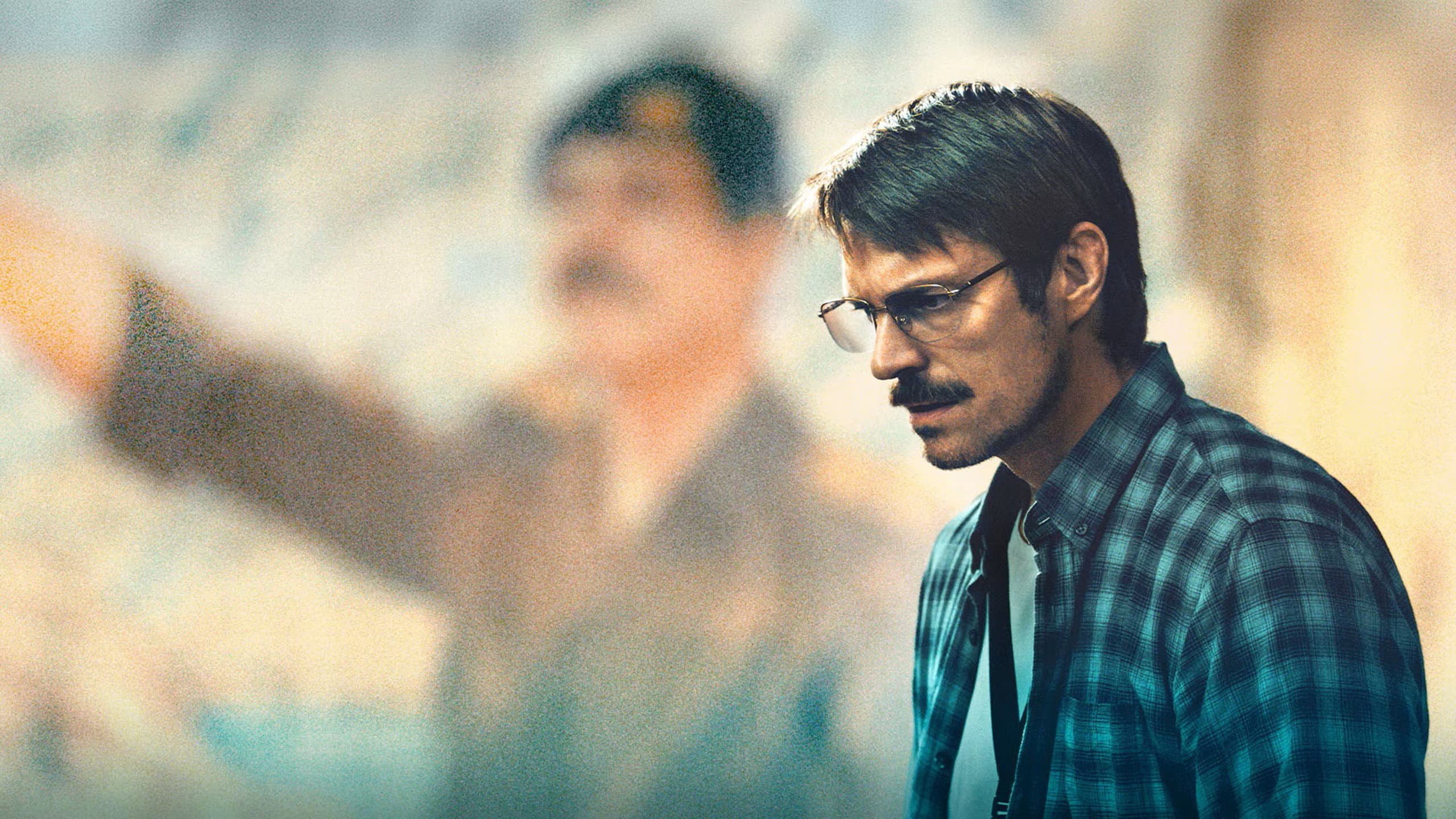
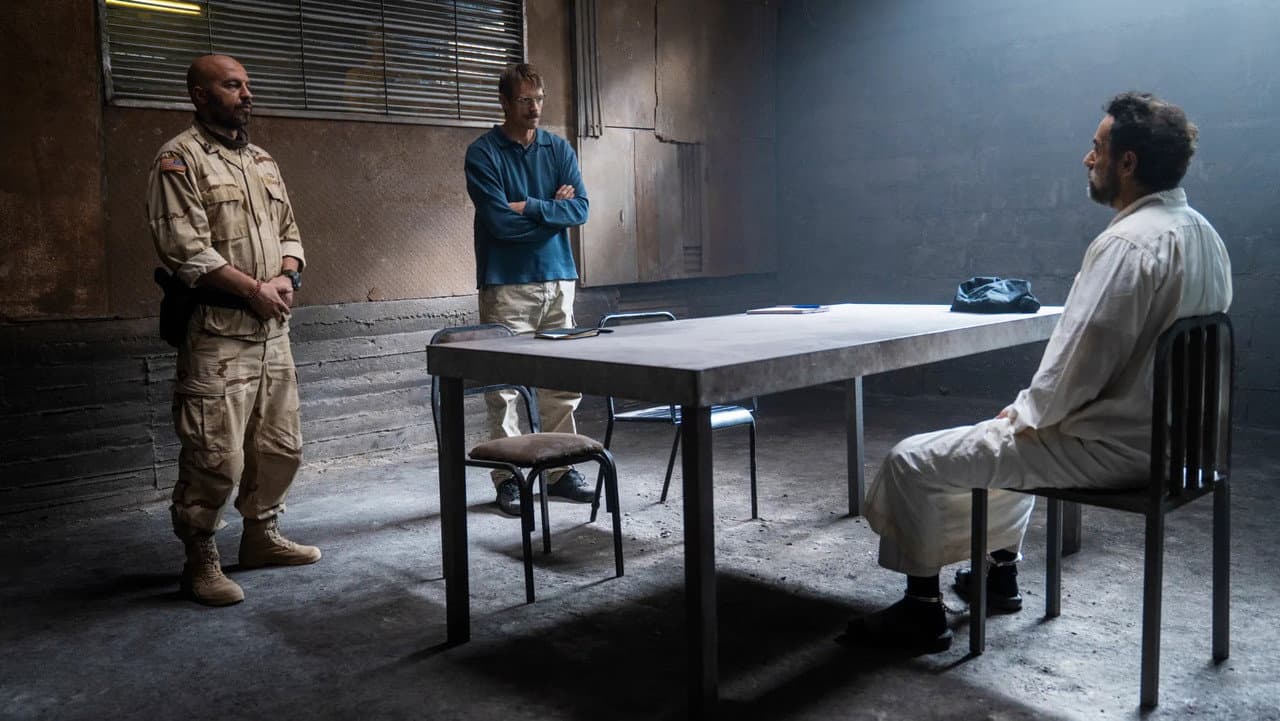
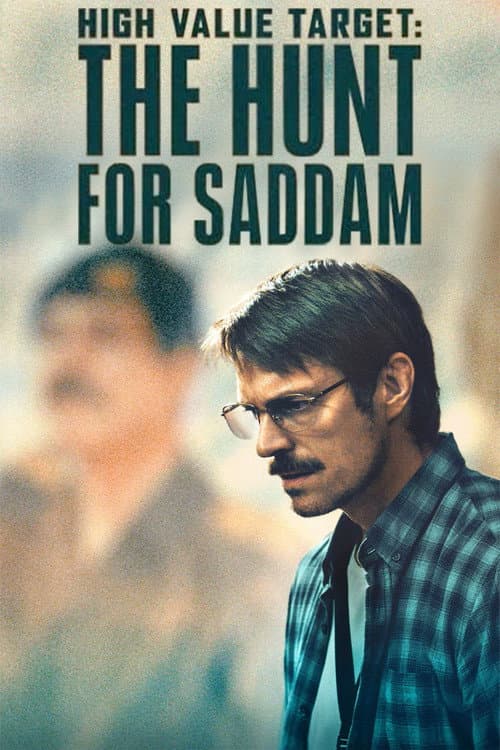
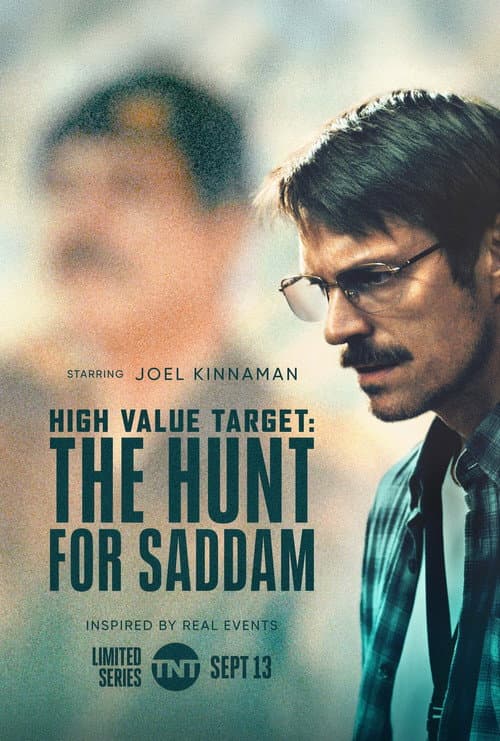
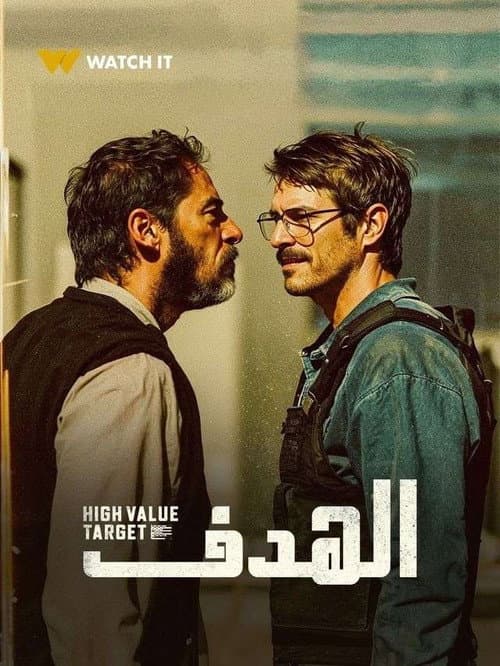
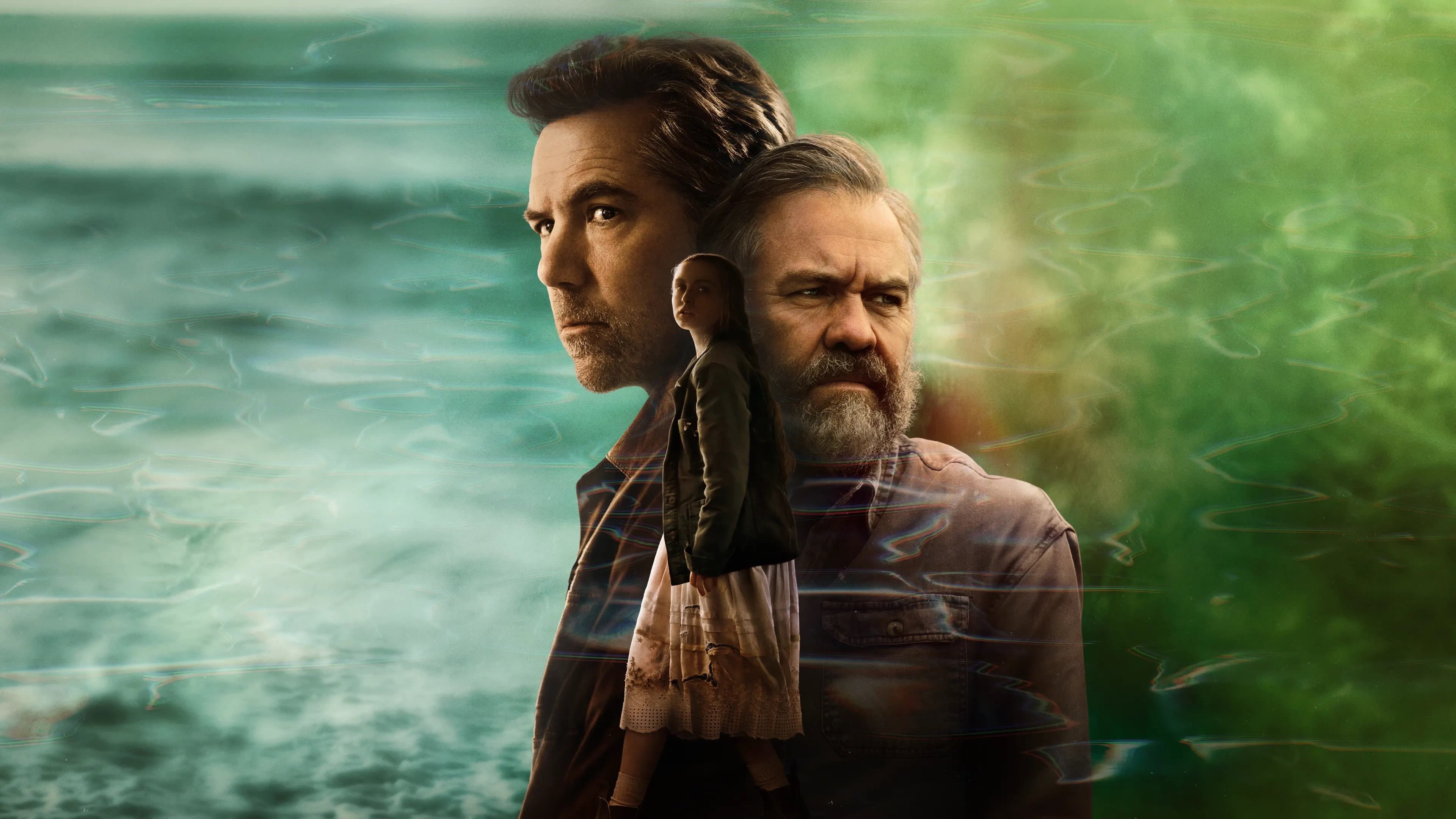
Here's the thing about High Value Target: it knows exactly what kind of show it doesn't want to be. There's no ticking clock, no black-ops montage set to a thumping bass drop, no triumphant hero shot of the bad guy in handcuffs. Instead, the camera sits still, the room gets suffocating, and you start to feel a little claustrophobic right alongside Nixon. It's a bold creative swing for a first season, and largely, it connects.
Kinnaman is the real deal here. He plays Nixon not as a swaggering interrogator but as a guy who's genuinely rattled by the realization that his job - identifying a man - is the easy, clean, moral part, and everything after it is a slow-motion catastrophe. There's a scene where he just sits with what he's been told, and the man's face does more acting than most shows manage in a full episode. It's the kind of performance that reminds you why the guy keeps getting cast in American productions like this.
But let's be honest - Zuaiter walks in and quietly steals the whole building. Playing Saddam as an almost philosophical presence is a choice that could've backfired spectacularly, and instead it gives the show its spine. He listens more than he talks, and when he does talk, you lean in. The back-and-forth between him and Kinnaman carries the emotional weight of the season, and Góra's Polly Stevens is the necessary friction that keeps it from becoming a simple two-man standoff.
The writing is smart about withholding catharsis. Nixon starts to understand the potential consequences of the invasion - the humanitarian horrors, the geopolitical turbulence - and the show refuses to hand him a tidy redemption or a big moment of vindication. This isn't a war movie with a climactic firefight. It's a war story told through conversation, and for the most part, that discipline pays off.
Where does it stumble? Pacing, occasionally. Several stretches luxuriate in mood when you wish someone would just get to the point. A few supporting threads feel underfed, and there's a sense that the show is holding back ammunition for a hypothetical second season rather than spending it now. And the production keeps things visually muted - sometimes to a fault, where one dimly lit room starts to blend into the next.
Still, this is a show that understands a crucial truth: the most dangerous moments in history often happen in small rooms with no audience. It's a slow burn, but it actually earns it.