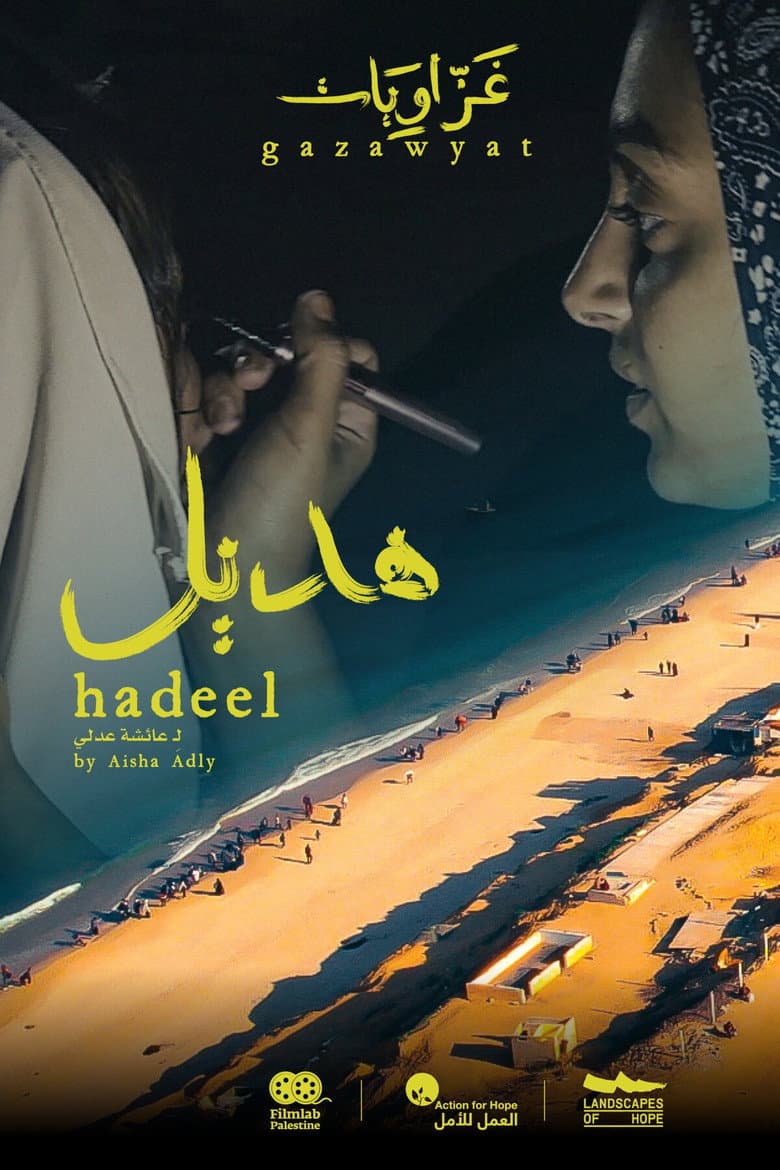
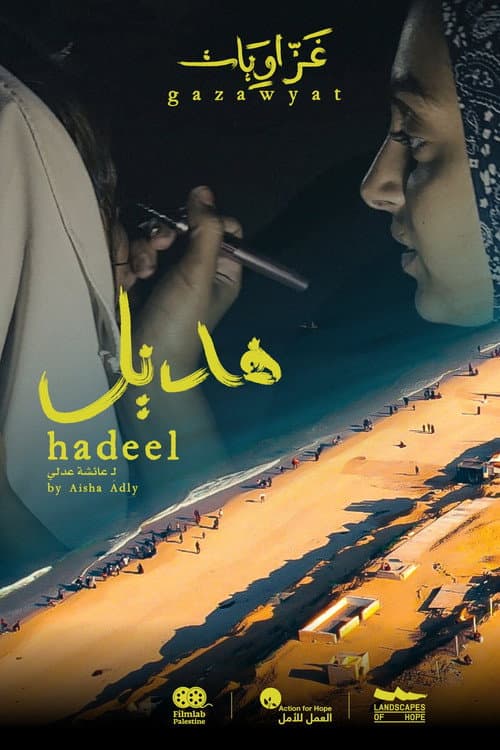
Six minutes. That's how long it takes to brew a decent pour-over, doomscroll through a celebrity breakup, or - if director Aisha Adly has her way - witness a quiet act of defiance that most of the world has trained itself not to see. Hadeel lands today, November 2, 2026, and it's the kind of documentary that sneaks up on you precisely because it refuses to shout.
Release Date & Where to Watch
Hadeel is available now, releasing on November 2, 2026. Clocking in at a brisk six minutes, this is a documentary short built for the festival-and-streaming era - the kind of film you can slot into a lunch break and find yourself still thinking about three days later. Distribution details are still firming up, so keep an eye on the usual boutique platforms and documentary-focused streaming services. Short films this compact tend to pop up in curated collections and festival showcases, so if you're the type who likes to catch things early and then smugly recommend them to friends, this is your moment. Set a reminder, bookmark the page, do whatever it is you do - just don't let a six-minute runtime fool you into thinking this is a throwaway.
Cast & Crew
Here's the thing about Hadeel: it's a one-woman powerhouse situation. Aisha Adly pulls double duty, directing the film and appearing as herself on camera. That's not a gimmick - it's the whole emotional engine. When a filmmaker steps in front of the lens for a subject this personal, you're not watching a polished presenter; you're watching someone who has a stake in every frame.
Adly's approach as a director seems to favor intimacy over spectacle, letting spontaneous moments breathe rather than forcing a narrative arc onto them. That takes confidence. A six-minute runtime leaves zero room for filler, and the fact that she's both behind and in front of the camera suggests a project born of necessity and conviction rather than vanity. No sprawling ensemble, no A-list cameos, no orchestral swells - just a filmmaker, her camera, and the stories of women finding each other in the margins. Sometimes the smallest crews make the loudest statements.
Story & What to Expect
The official synopsis pulls no punches: far from the news cycle, a silent genocide seeks to crush the humanity and femininity of women in displacement camps. That's heavy territory for six minutes, and Hadeel doesn't pretend otherwise. But what the film actually centers on is something more surprising - spontaneous moments of shared storytelling, where displaced women gather to reclaim themselves through ancient rituals.
Think less talking-heads documentary, more vérité poetry. The film frames these gatherings as an attempt to rebuild "the fortress of femininity" dismantled by displacement - a bold declaration that the dignity of the body is the enduring reflection of the soul amidst the ruins. That's the thesis, and in Adly's hands it plays out through ritual, memory, and the simple act of women telling their own stories on their own terms.
What should you expect going in? Don't expect tidy resolutions or a sweeping geopolitical explainer. This is a film about interiority - about the small, sacred spaces people carve out when everything around them has been stripped away. The shared storytelling sequences sound like the heart of it: women gathering, rituals passed down, identity rebuilt one voice at a time. At six minutes, it's closer to a tone poem than a report, and that's exactly the point. Some truths don't fit in a news segment.
One honest note: the TMDb rating currently sits at 0/10, which almost certainly reflects a film so new it hasn't accumulated audience votes yet rather than any verdict on its quality. Ignore the number. Early days.
Why It's Worth Watching
Let's be real - "important documentary" can sound like homework, and six-minute shorts can feel like appetizers. Hadeel earns its place anyway, for a few reasons.
First, the perspective. Stories about displacement often reduce women to statistics or symbols. This film does the opposite, insisting on femininity and bodily dignity as acts of resistance. That framing is rare and refreshing.
Second, the form matches the message. Ancient rituals, spontaneous storytelling, a runtime short enough to feel like a shared moment rather than a lecture - Adly is using the medium itself to echo the intimacy of what she's documenting. That's smart filmmaking.
Third, accessibility. Six minutes. No excuse. You can watch it between meetings, then spend the rest of the week unpacking it. And in a season stuffed with franchise spectacle and awards-bait epics, a tiny, fierce documentary about women reclaiming themselves through ritual is the palate cleanser you didn't know you needed.
Will Hadeel change the world? Probably not overnight. But it plants a flag: these stories matter, these women are seen, and a filmmaker named Aisha Adly is worth watching. Six minutes is all she asks. Give her the time.