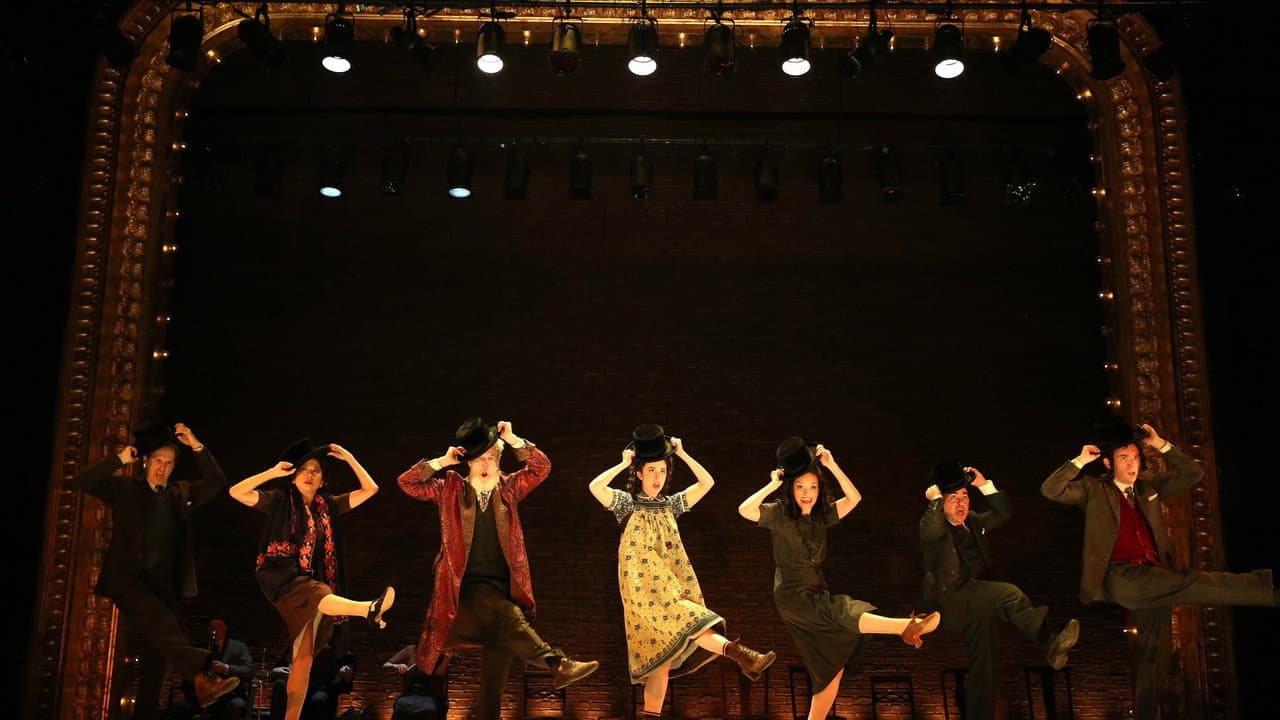
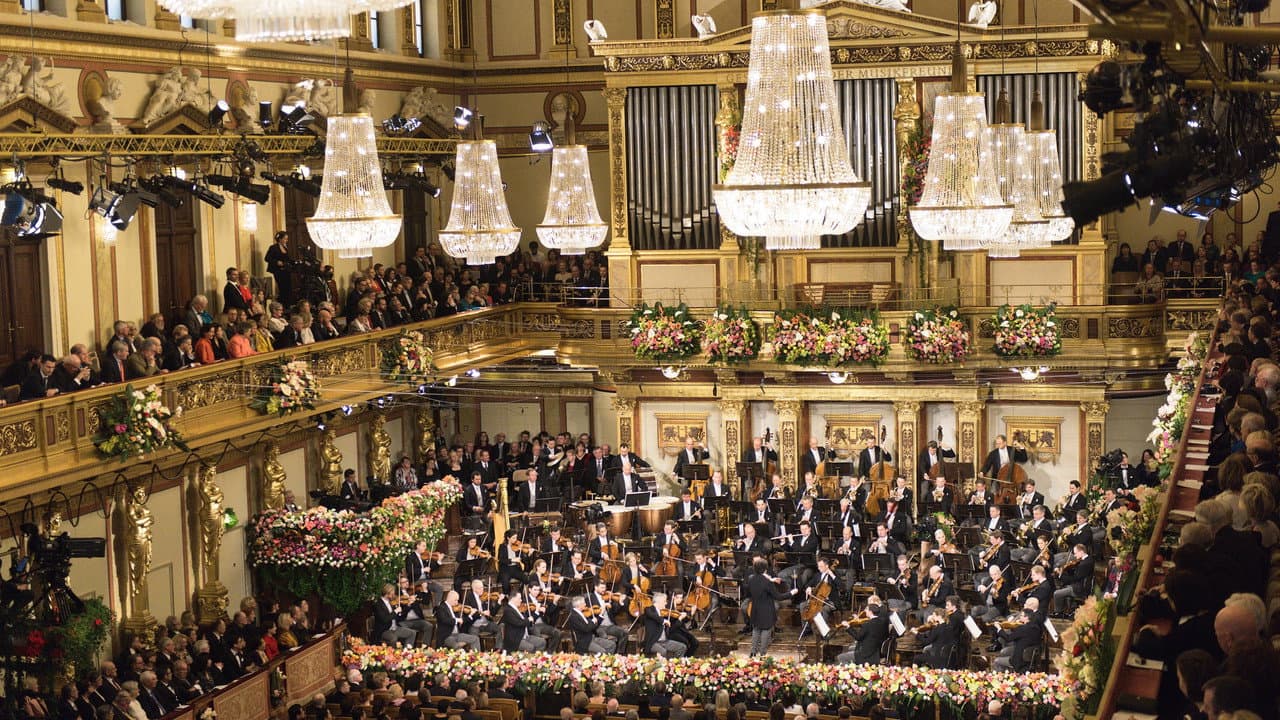
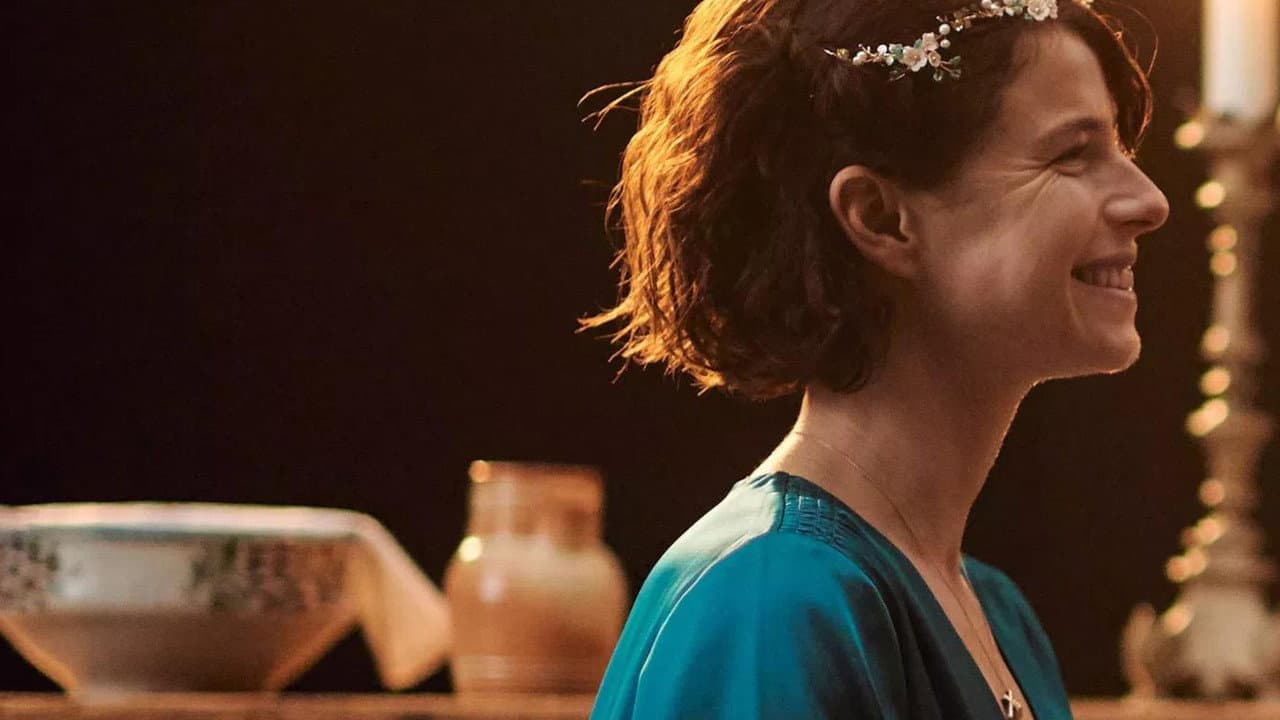
Here's the thing about a show like this: it doesn't need cliffhangers, shocking deaths, or a dragon to keep you watching. Its superpower is curation. Season 54 understands that its audience isn't scrolling for cheap thrills - they're here for craft, for the tremble in a soprano's final note, for the way a dancer's shadow tells a second story on the back wall.
The premiere episode sets the tone with the kind of polish that only comes from decades of muscle memory. The pacing is unhurried but never sluggish, which is a delicate balancing act. This isn't a show that fears silence or a long, held camera shot. It respects your attention span, and in 2026, that's practically a radical act.
Bray Poor's narration remains the secret sauce. He's the guy who can say "and now, a pas de deux" and make you feel like you're about to witness something sacred. His voice is the throughline, the friendly hand on your shoulder guiding you from genre to genre without ever making you feel out of your depth. That matters. The performing arts have a reputation problem - too stuffy, too exclusive, too "you wouldn't get it." This show has spent five-plus decades dismantling that idea one broadcast at a time, and Season 54 keeps chipping away.
Is every segment a home run? No. The variety-show format means your mileage will vary depending on your personal tastes. A documentary-heavy stretch might test the patience of someone who came for the musical theater. An opera block might lose the dance crowd. That's the inherent risk of the tasting-menu approach: you can't please everyone with every course. But the sheer breadth is also the point - and the show's willingness to swing big is part of its charm.
Visually, the production values remain high, as they should for a program whose entire brand is excellence. The cameras know where to be, the sound mix lets the room breathe, and the whole thing feels less like television and more like a front-row seat you didn't have to pay a babysitter for.
Where the season stumbles is occasionally in its own reverence. At times, the earnestness can tip into stiffness, and a little more personality or backstage context wouldn't hurt. It's a show that trusts its material implicitly - sometimes so implicitly that it forgets to tell us why a particular piece matters right now, in this moment, to this audience. A touch more framing would elevate good segments into unforgettable ones.
Still, when it lands, it lands. And it lands often enough to justify the loyalty of an audience that has now been showing up for more than half a century.